
Last updated November 24, 2026
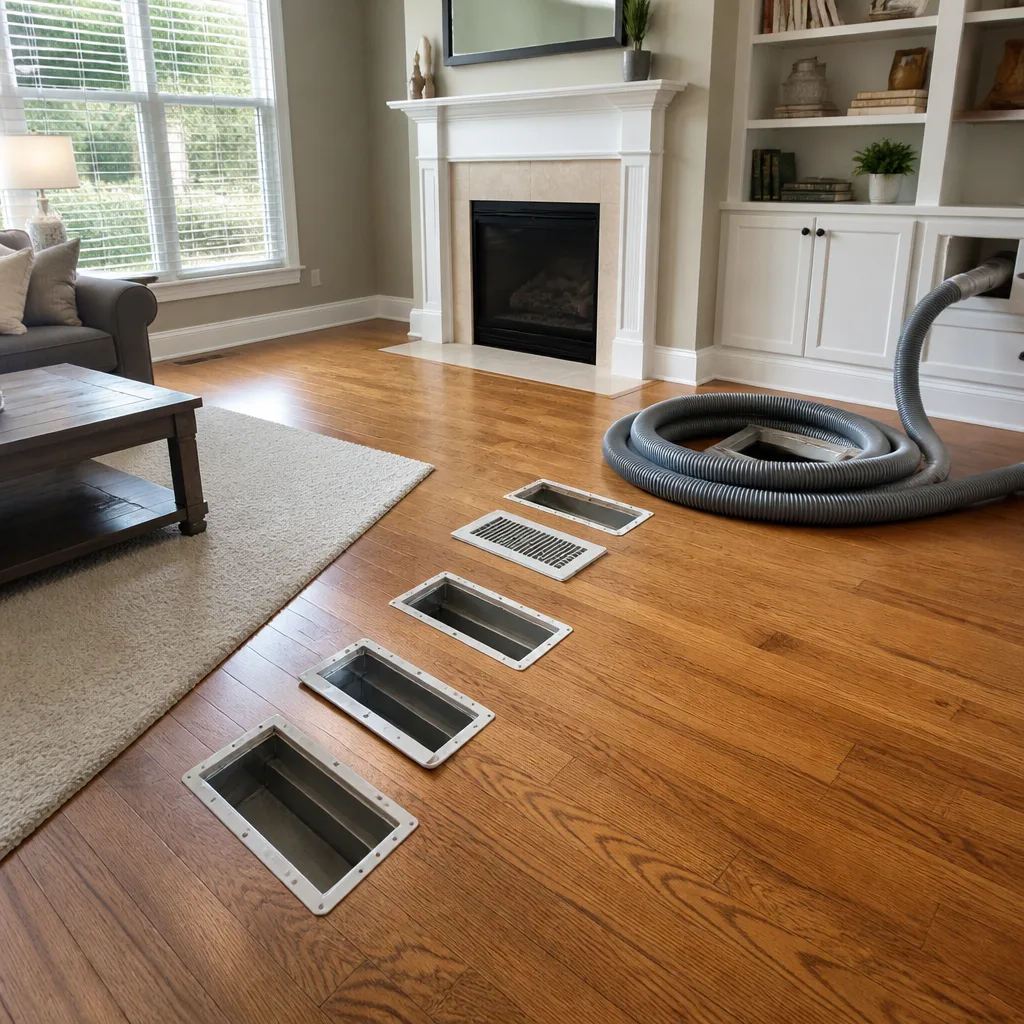 Whole-home duct cleaning
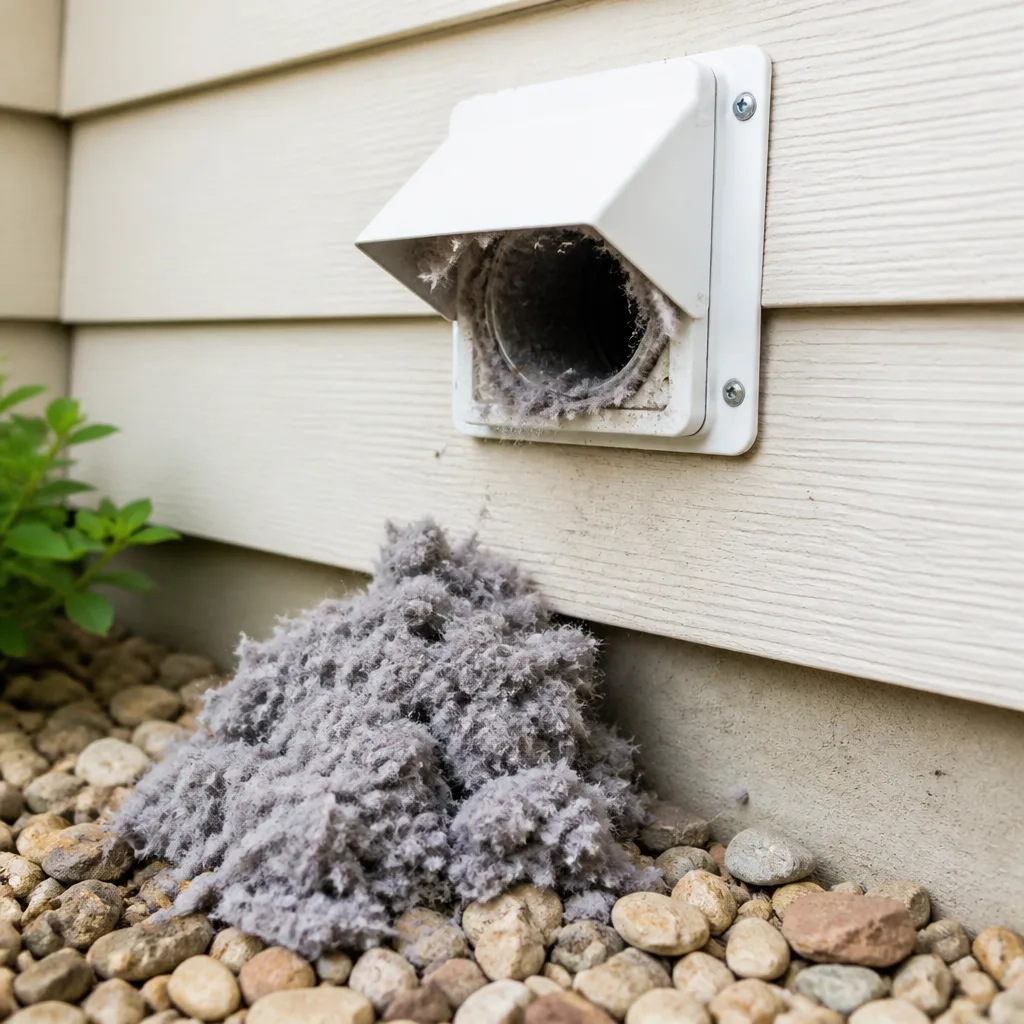 Dryer vent cleaning
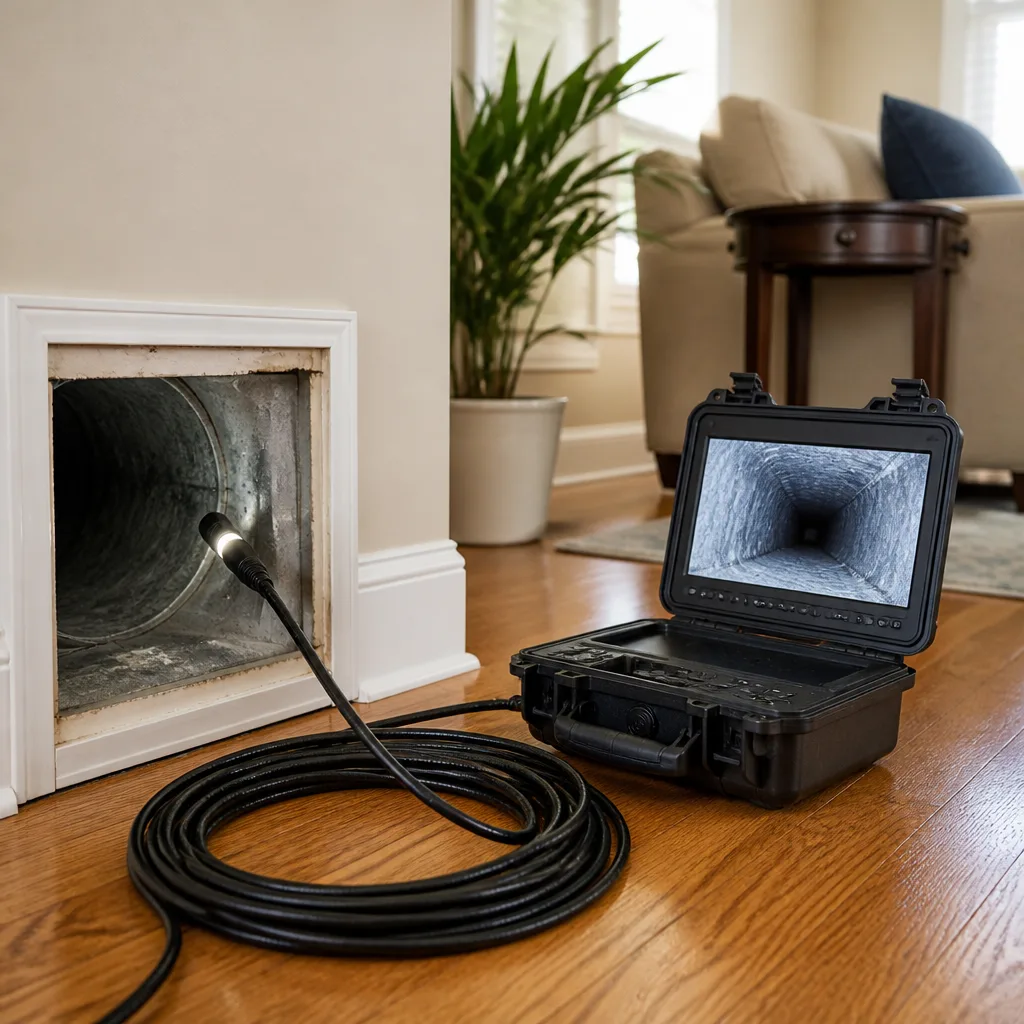 Camera inspection
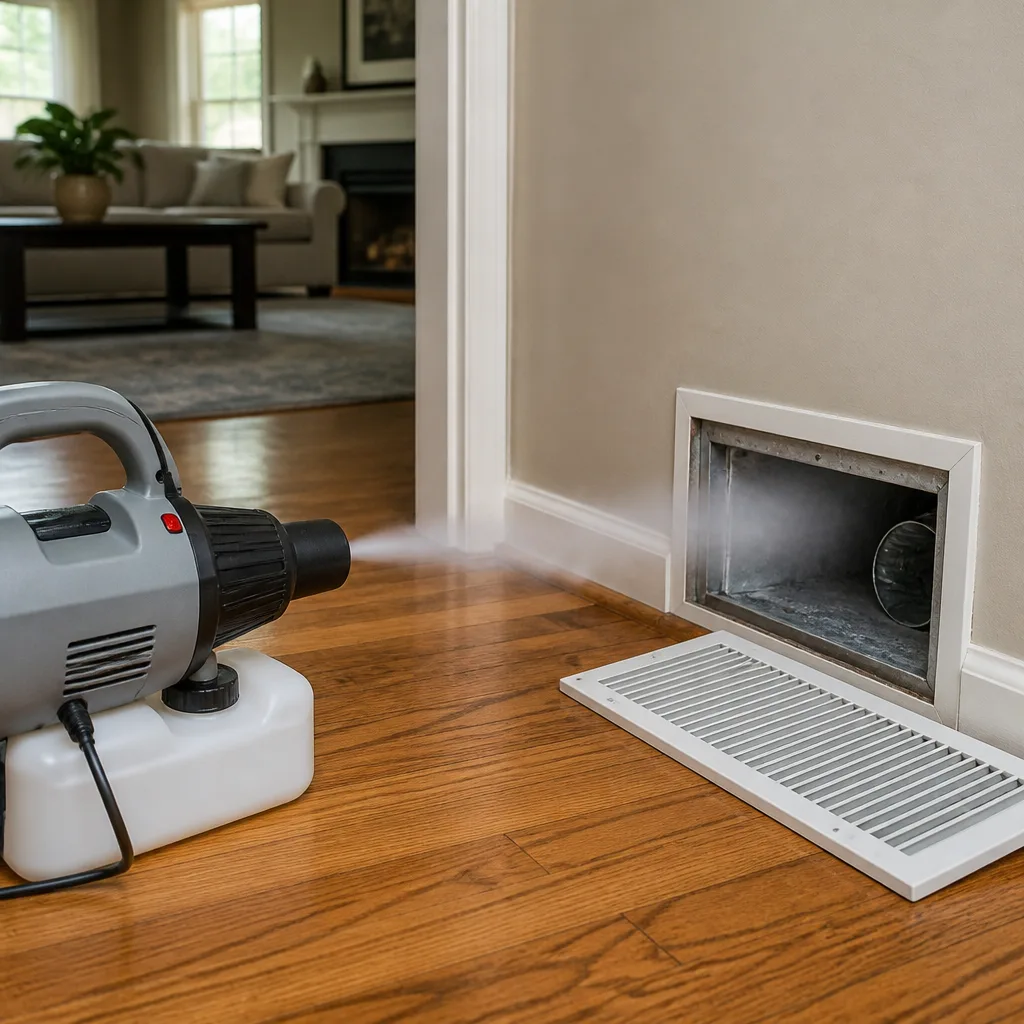 Sanitizing & deodorizing
Whole-system duct and dryer vent check with before-and-after photos - you see exactly what came out of your vents
That "$99 whole-house special" is a bait ad - the real number appears once they are in your hallway, or the "clean" is a shop-vac at the register. We photograph the inside of your ducts before and after instead.
Seasonal Air Duct Cleaning Care for Downtown Anaheim: Year-Round Homeowner’s Guide
Southern California homeowners are often told their mild climate means they can skip seasonal HVAC prep. That advice misses what actually happens to a duct system in Downtown Anaheim. The damp marine layer that parks over the city every May and June is the exact moisture window when dust-coated duct liner surfaces turn into a mold risk, and the long cooling runs of July and August push that debris deeper into your supply runs. Our four real seasons aren’t temperature swings – they’re HVAC stress cycles. This guide walks you through each one, tells you what to check and when, and shows you how to build a simple seasonal log so you’re never guessing about the air moving through your home.
Quick Answer
Air duct cleaning in Downtown Anaheim works best on a seasonal rhythm rather than a once-a-decade schedule. Plan a full-system cleaning in late winter or early spring, before the marine layer arrives, keep filter changes tight through peak cooling, inspect returns after each Santa Ana wind event, and do a visual register check before the first heating cycle of winter. Pairing the cleaning with duct repair and sealing keeps the work from being undone by leaky joints.
Styles & brands we work with
- Whole-home duct cleaning
- Dryer vent cleaning
- Camera inspection
- Sanitizing & deodorizing
Table of Contents
- Why Downtown Anaheim Has Four HVAC Cycles Instead of Four Seasons
- May to June: The Marine Layer Mold Window
- July to September: Peak Cooling and Debris Migration
- October to November: Santa Ana Season and Particulate Intrusion
- December to February: The Heating Ramp-Up
- How to Build a Seasonal Duct Log
- Clean It, Seal It, Upgrade It: One Provider for the Whole System
- Common Mistakes to Avoid
- When to Call a Professional
Why Downtown Anaheim Has Four HVAC Cycles Instead of Four Seasons
Ask most people to describe the seasons here and you’ll get a shrug and a joke about two of them. The equipment in your attic or utility closet tells a different story. Over a single year in Downtown Anaheim, your duct system moves through four distinct stress cycles, and each one loads the system in a different way. Traditional seasonal advice written for cold-climate homes doesn’t map onto any of them.
Here’s how the cycles break down across the year:
- Late spring, May and June: the marine layer settles in, raising humidity in the same weeks most households have already stopped running the heater but haven’t yet committed to the air conditioner. Air sits in the ducts. Dust that settled over the dry winter months has had months to accumulate, and now it’s damp.
- Peak summer, July through September: long cooling runtime. The system cycles on earlier and stays on later, and every hour of runtime moves more air – and more debris – through the returns and into the supply runs.
- Fall, October and November: Santa Ana wind events. Dry, fast-moving air drives fine particulate against the building envelope, and any leak in the return system pulls it straight into the air stream.
- Winter, December through February: the heating ramp-up. The first heating cycles of the year stir settled debris off duct surfaces and push it through the registers into living spaces.
Each cycle has a short window where a small amount of attention prevents a larger problem later. Miss the window and the next season compounds what the previous one left behind. That compounding is why a Downtown Anaheim home that goes without cleaning for many years doesn’t just have “dusty ducts” – it has a layered history of moisture, runtime, and intrusion events.
The other piece of local context is housing stock. Downtown Anaheim includes a wide mix of building ages and duct configurations, from older bungalow-style homes to newer infill construction. Older duct systems tend to have more joints, more flex connections, and more opportunity for the kind of small leaks that let outside air in. Newer systems aren’t immune either – poorly sealed register boots and flex runs are common regardless of age. The seasonal rhythm is the same; the intensity of what you find inside varies with the building.
May to June: The Marine Layer Mold Window
May and June are the highest mold-risk window of the year for duct systems in Downtown Anaheim. The reason isn’t rain. It’s the marine layer – the low, persistent cloud cover that pushes inland and keeps the air cool and moist for weeks at a time. That moisture finds its way into duct systems carrying residual dust from the dry winter months, and dust plus moisture is the substrate microbial growth needs.
What makes this window easy to miss is that nothing feels wrong yet. The house isn’t damp to the touch. There’s no visible leak. But the interior surfaces of your flex duct and duct board – especially in older, unlined or deteriorating sections – can hold enough moisture to support growth on dust that’s been sitting there since February. The tell usually shows up later as a musty smell when the system first kicks on, or as allergy-like symptoms that seem worse inside the house than out.
The prevention window is straightforward:
- Schedule a full-system cleaning before the marine layer arrives. Late winter or early spring is ideal. Removing the dust load removes the food source, which is the single most effective way to lower mold risk.
- Ask for a visual inspection of the duct interior, not just the register openings. A specialist with professional-grade equipment can see and document what’s on the liner surfaces.
- Fix leaks before the damp season, not after. Gaps at joints and boots let humid outside air into the system. Sealing them keeps the system from pulling moisture in with the air.
- If contamination is already present, treat it. A Guardsman-grade sanitizing treatment applied after cleaning addresses microbial growth and leaves lasting protection on the surfaces.
We use Rotobrush and Nikro systems for the cleaning itself, and Abatement Technologies filtration equipment when allergen or fine-particle loads are heavy. That’s the same class of equipment restoration and abatement contractors use, because the conditions in a contaminated duct system aren’t much different from what they handle. Professional-grade equipment, not consumer shortcuts, is what makes the difference between a surface pass and a real cleaning.
The moisture window also matters because it’s the one time of year when a small contamination problem can become a system-wide one. A little dust in a dry duct is just dust. The same dust in a damp duct in late June is a growth medium. Getting ahead of it in April or May is much less work than addressing it in August.
For homeowners who want the full process explained, our page on air duct cleaning walks through the equipment and the steps involved in a complete service visit.
July to September: Peak Cooling and Debris Migration
Peak cooling season in Downtown Anaheim is when the system runs the longest hours of the year, and that runtime has a compounding effect on debris inside the ducts. Every hour the air handler moves air, it also moves whatever’s loose in the system. Debris that’s settled in the return plenum or on the blower housing gets picked up and carried into the supply runs, where it drops out again at the first point of low velocity.
The practical result: by the end of August, dust that was concentrated in one place in June has distributed itself through the entire system. If your return plenum was already carrying a dust load going into summer, the supply side gets heavier as summer goes on. Filter performance declines faster during peak cooling too, because the filter is catching more airborne material, which means it loads up sooner.
Here’s what to focus on during these months:
- Change filters on a tight schedule. During peak cooling, a filter that would last a full season in a milder climate can load up well before you’d expect. Check it monthly and change when it’s visibly loaded.
- Watch for airflow changes. Rooms that cool noticeably slower than they did in June are telling you something – either the filter is loaded, a register is restricted, or the supply run is carrying more debris than it was.
- Listen at the return. A whistling or heavy rush of air at the return grille can indicate a partially blocked or undersized return, which puts more strain on the blower and moves more debris into the system.
- Note any new odors. A musty smell during cooling season often traces back to moisture in the system that first developed during the marine layer window and worsened under peak runtime.
The reason to think about cleaning during peak cooling isn’t to clean mid-season – it’s to understand the load you’re building. If you go into July with a clean system, peak cooling runs it hard but doesn’t compound a pre-existing problem. If you go into July with a system that hasn’t been cleaned in years, September arrives with debris distributed across every run, and the following cleaning is more involved.
HVAC equipment itself takes a hit during this period. The evaporator coil, blower wheel, and condensate pan all see continuous use, and a coil caked with debris loses efficiency fast. Cleaning the HVAC components alongside the ducts is what keeps the whole system performing – our HVAC cleaning page covers what’s involved when the coil and blower are part of the job.
October to November: Santa Ana Season and Particulate Intrusion
When Santa Ana winds arrive in October and November, the problem for duct systems isn’t the wind itself – it’s what the wind drives into your return system. These dry, fast-moving events lift fine particulate and push it against the exterior of the house. Any leak in the return side, any gap at a register boot, any deteriorated flex joint becomes a pathway for that particulate to enter the duct system directly.
Return systems operate under negative pressure relative to the outside, which means leaks in the return don’t push air out – they pull air in. That’s the mechanism most homeowners miss. A small gap in a return duct that never mattered during a calm spring becomes a fine-particle injection point during a Santa Ana event. Multiply by several events across the fall and you can measurably increase the particulate load in a system that was clean in September.
After any significant Santa Ana wind event, run through this 48-hour check:
- Inspect the filters. Within 48 hours, pull the filter and look at it. If it’s visibly loaded after a single event, replace it and note the date in your seasonal log.
- Check the return registers. Look for visible dust accumulation around the grille and the surrounding ceiling or wall surface. Dust concentrating around the edges of a register often points to a leak at the boot.
- Look for gaps at register boots and joints. Any visible separation, deteriorated tape, or loose connection is a candidate for sealing. Duct repair and sealing is what closes these pathways permanently.
- Listen for new whistling or air noise. A leak pulling air during a wind event often produces an audible whistle or hiss at the point of intrusion.
- Note any change in dust accumulation on horizontal surfaces. More dust settling on furniture and sills after an event is a sign that particulate is entering the airstream, not just the room.
Sealing leaks before the Santa Ana season is the more effective approach than chasing them after. Duct repair and sealing addresses the root cause of both efficiency loss and re-contamination – a newly cleaned system with unsealed leaks will just load up again. Our air duct cleaning Downtown Anaheim service pairs cleaning with sealing whenever the inspection turns up pathways worth closing.
December to February: The Heating Ramp-Up
The first heating cycles of the year are the most likely point in the calendar for settled debris to circulate into living spaces. Here’s why. Debris that accumulated in the return plenum and settled on duct surfaces during the cooling season sits undisturbed when the system isn’t running. Winter heating brings the system back to life after a cooler, lower-runtime period – and the first heat cycles lift that settled debris and move it straight through the supply registers into the rooms you’re now spending more time in.
This is also the window when homeowners notice smells that were never quite obvious during cooling season. The heat exchanger and surrounding duct surfaces warm up, and any residue on those surfaces releases odor into the air stream. A musty smell at the first heater startup is a signal that the system needs attention, not something to wait out until spring.
What to do before and during the heating ramp-up:
- Schedule a pre-season visual inspection. Before you run the heater for the first time, look at the accessible duct sections and register openings. Any visible debris or discoloration is worth documenting.
- Ask for a pre-season blower door or pressure check. A blower door test or equivalent pressure check identifies leaks in the duct system that a visual inspection won’t find. It shows how much air the system is losing to the attic or crawlspace, and it’s the test most likely to reveal a leak you didn’t know about.
- Clean the accessible components before the season starts. Coil, blower wheel, and condensate pan should go into the heating season clean. Debris that baked onto the coil during cooling season doesn’t clear itself when the season flips.
- Replace filters at the transition. The filter going into winter should be new or nearly new, not the one that’s been in since August.
- Run the heater briefly on a mild day and note what you smell. Any persistent odor or visible dust discharge is worth a call.
The heating ramp-up is the natural bookend to the marine layer window. If the system was cleaned in spring, winter heating simply runs a clean system. If it wasn’t, the winter months are when accumulated debris becomes obvious – and the right response is a cleaning rather than a filter change alone, since a filter can’t remove what’s already settled in the ducts.
Dryer vents deserve a mention in the winter months too. The same debris that settles in supply ducts accumulates in the dryer vent, and a vent that’s been ignored for years is a fire-hazard pathway most duct cleaners treat as an afterthought. Our dryer vent cleaning is a dedicated service for exactly this reason – it’s a fire-prevention measure, not a ventilation nicety.
How to Build a Seasonal Duct Log
A seasonal log is the simplest tool for staying ahead of duct problems in Downtown Anaheim. It doesn’t need to be elaborate. A notebook or a shared phone note works. What matters is consistency and a format that captures four things: filter replacement dates, visual register observations, any odor or airflow anomalies by cycle, and the dates of any seasonal events worth remembering.
Set up the log in four columns:
- Date. Every filter change, inspection, and anomaly entry.
- Cycle. Note which cycle you’re in – marine layer, peak cooling, Santa Ana, or heating ramp-up. Tracking by cycle makes it easy to see patterns across years.
- Observation. What you saw or noticed. “Filter loaded after dust event,” “musty smell at first heater run,” “slower airflow in west-facing rooms.”
- Action. What you did. “Replaced filter,” “called for inspection,” “scheduled cleaning.”
Then log these checkpoints through the year:
- Spring: filter replacement date, plus the date of a visual inspection of registers and accessible duct sections. If you scheduled a full-system cleaning, log the date and the services performed.
- Summer: monthly filter checks. Note any airflow changes room by room. Note any new odors.
- Fall: note every Santa Ana event worth remembering and log the 48-hour post-event filter and register check. Any dust accumulation around register edges is worth photographing.
- Winter: log the first heater run and what you observed. Log filter change at the transition. Log any pre-season inspection or pressure check.
The real value of the log shows up in year two. You’ll see patterns – the same room getting slower each August, the same register drafting more dust after every wind event. Those patterns are what tell you where to focus and when to call. A log turns a vague sense that “the air feels off” into a specific, actionable observation a technician can work from.
We’ve seen logs pay off most for homes with older duct systems or a history of allergy symptoms. The log is what turns a one-time cleaning into genuine ongoing care. Professional-grade equipment does the cleaning, but the log tells you when cleaning is actually needed rather than when a calendar says to schedule it.
Clean It, Seal It, Upgrade It: One Provider for the Whole System
Seasonal duct care in Downtown Anaheim works best when it’s part of a whole-system approach. Cleaning, sealing, and upgrading the system are three steps that reinforce each other. Cleaning removes contamination. Sealing fixes the leaks that would let contamination return. Upgrading improves the system’s ability to filter and condition the air going forward. Skipping any one of the three undercuts the other two.
This is why we handle all five service categories under one roof: air duct cleaning, dryer vent cleaning, HVAC cleaning, duct repair and sealing, and air quality and sanitizing. One call covers the whole system instead of coordinating three or four separate contractors and hoping they don’t contradict each other on what the ducts need.
The upgrade piece is where the system moves from maintenance to improvement. We integrate Aprilaire and Honeywell air quality solutions – whole-home filtration, humidity control, and air purification – alongside the cleaning and sealing work. That means if the seasonal log shows a consistent humidity problem in the marine layer window, or a persistent dust load after every Santa Ana event, the answer can be a filtration or humidity upgrade rather than just another cleaning.
What separates this from a general HVAC company treating duct cleaning as an add-on:
- Rotobrush and Nikro systems for cleaning: purpose-built professional duct cleaning equipment, not repurposed shop vacuums.
- Abatement Technologies air filtration on qualifying jobs: the standard in mold, allergen, and fine-particle abatement work.
- Guardsman-grade sanitizing applied post-cleaning for lasting protection against microbial growth.
- Aprilaire and Honeywell integration for whole-home filtration, humidity control, and purification.
- Duct repair and sealing as a standalone service, because cleaning without sealing is maintenance that gets undone.
Our technicians have up to 13 years of experience with this equipment and with the specific conditions of Downtown Anaheim duct systems. Full-system scope means the same provider who cleans the ducts can also seal them, sanitize them, and upgrade the filtration – and that’s what makes a seasonal care rhythm practical rather than fragmented.
Common Mistakes to Avoid
- Assuming the mild climate means no seasonal prep is needed. Downtown Anaheim doesn’t get hard freezes, but the marine layer moisture window and the peak cooling runtime window do more damage than a cold-climate winter would. Skipping seasonal prep here doesn’t save work – it compounds it.
- Cleaning only when something visible goes wrong. By the time you see dust blowing out of a register, the system has been building up for a full cycle or more. Cleaning on a seasonal rhythm catches problems before they become visible.
- Cleaning the ducts without sealing the leaks. A freshly cleaned system with unsealed leaks pulls contamination right back in during the next Santa Ana event. Sealing is what makes the cleaning last.
- Waiting until autumn to fix marine layer contamination. Mold growth that settled in during May and June doesn’t go away by September – it’s been spreading through peak cooling season. Address contamination in the marine layer window rather than chasing it after.
- Treating the filter as the whole solution. A filter catches air going through it. It doesn’t remove debris that’s already settled in the ducts, on the blower, or on the evaporator coil. Filter changes matter, but they’re one part of the system.
- Letting a seasonal log lapse. A log only works if it’s kept through all four cycles. A record of filter changes and observations from one season doesn’t reveal the patterns that matter across multiple years.
- Hiring a generalist for a specialist job. A company treating duct cleaning as an add-on won’t have the equipment to address heavy allergen loads or the ability to seal, sanitize, and upgrade the same system. The equipment distinction matters most when conditions are heaviest.
See the difference
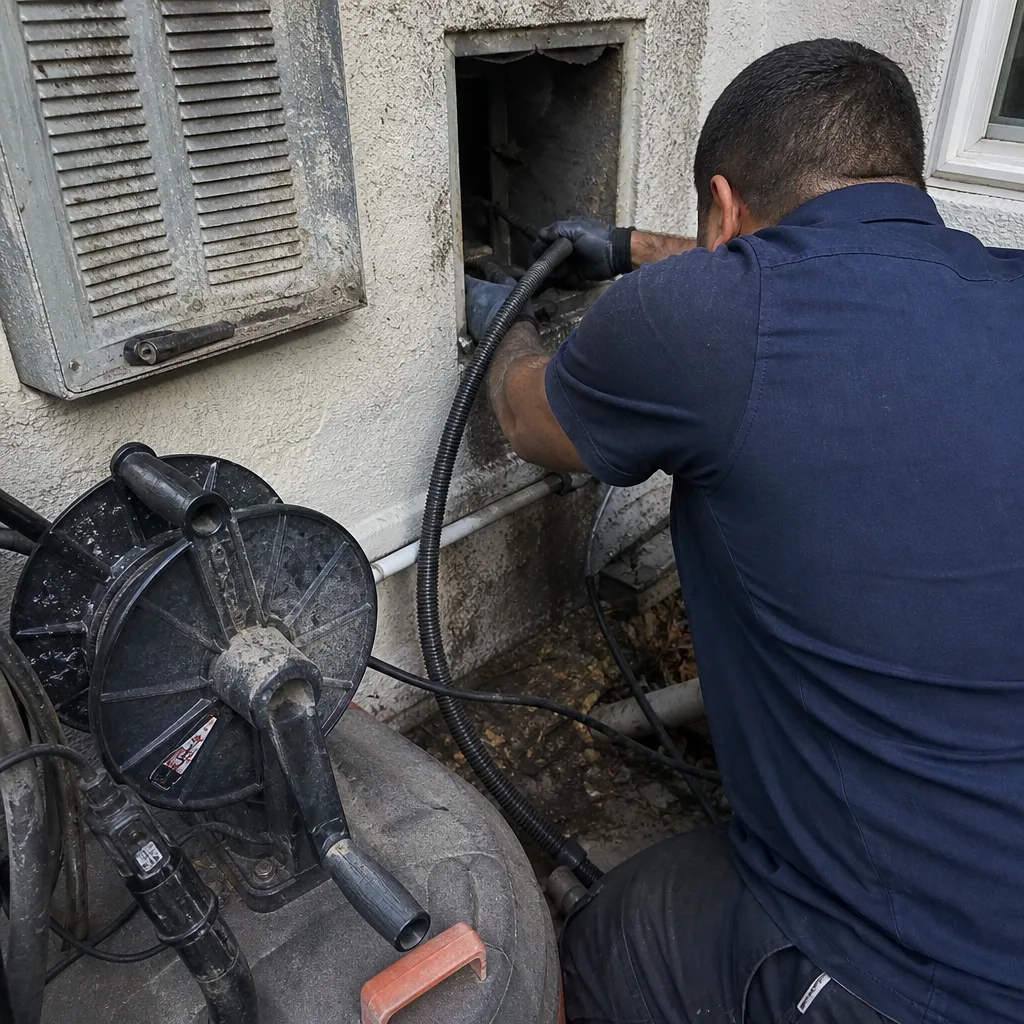 Before
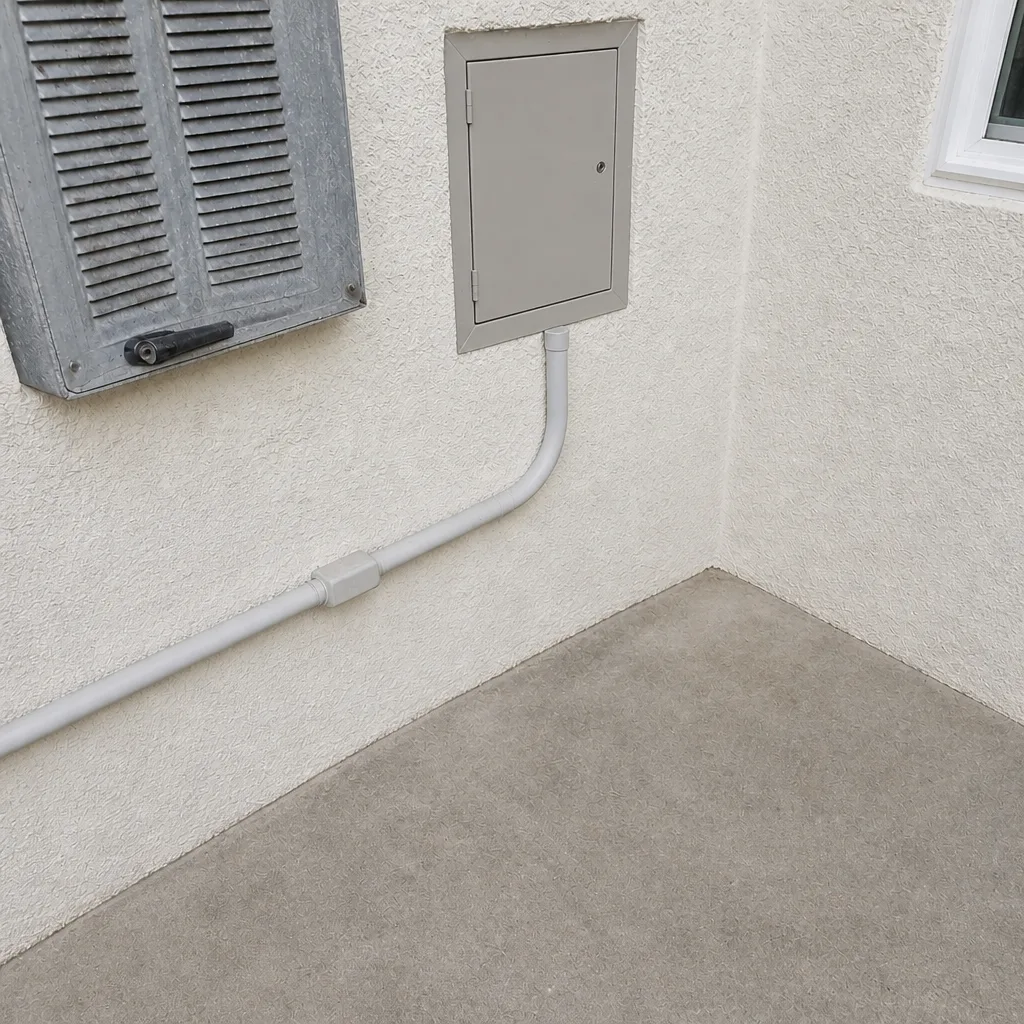 After
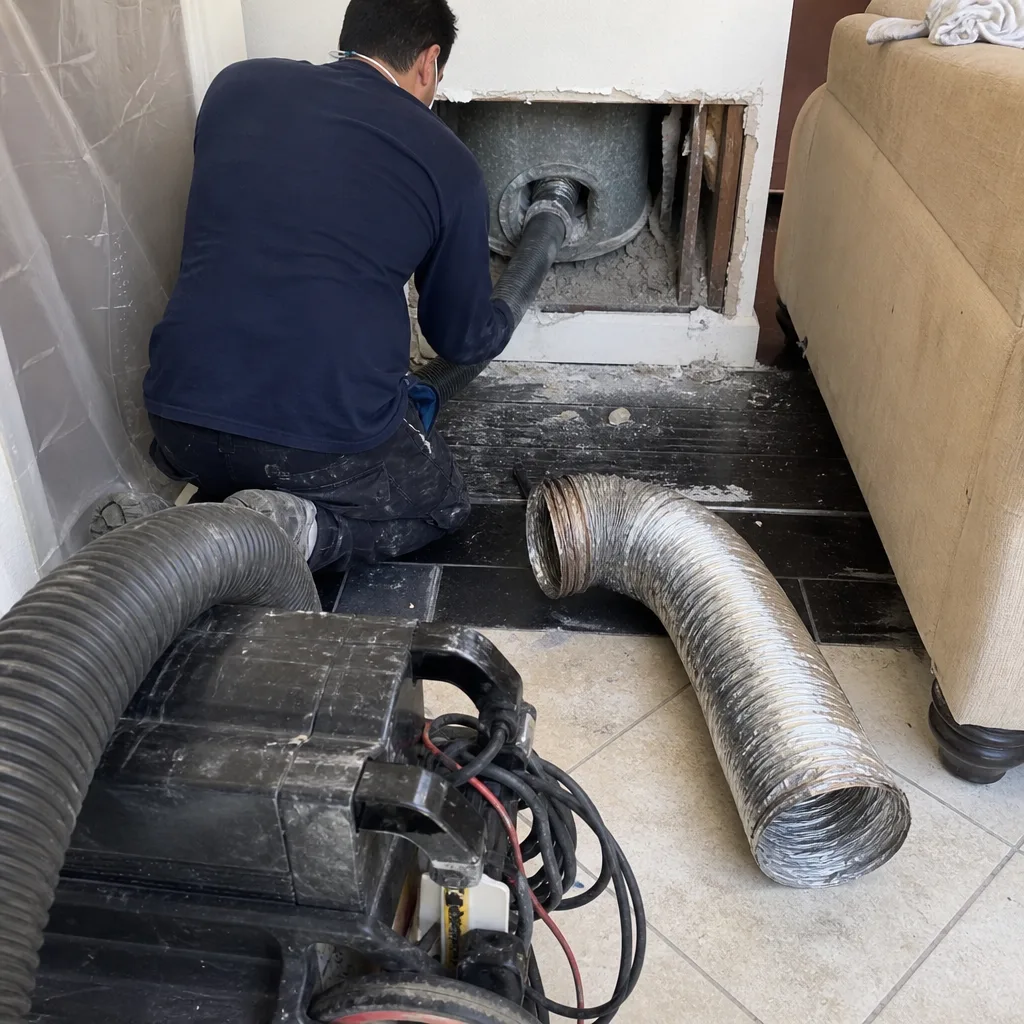 Before
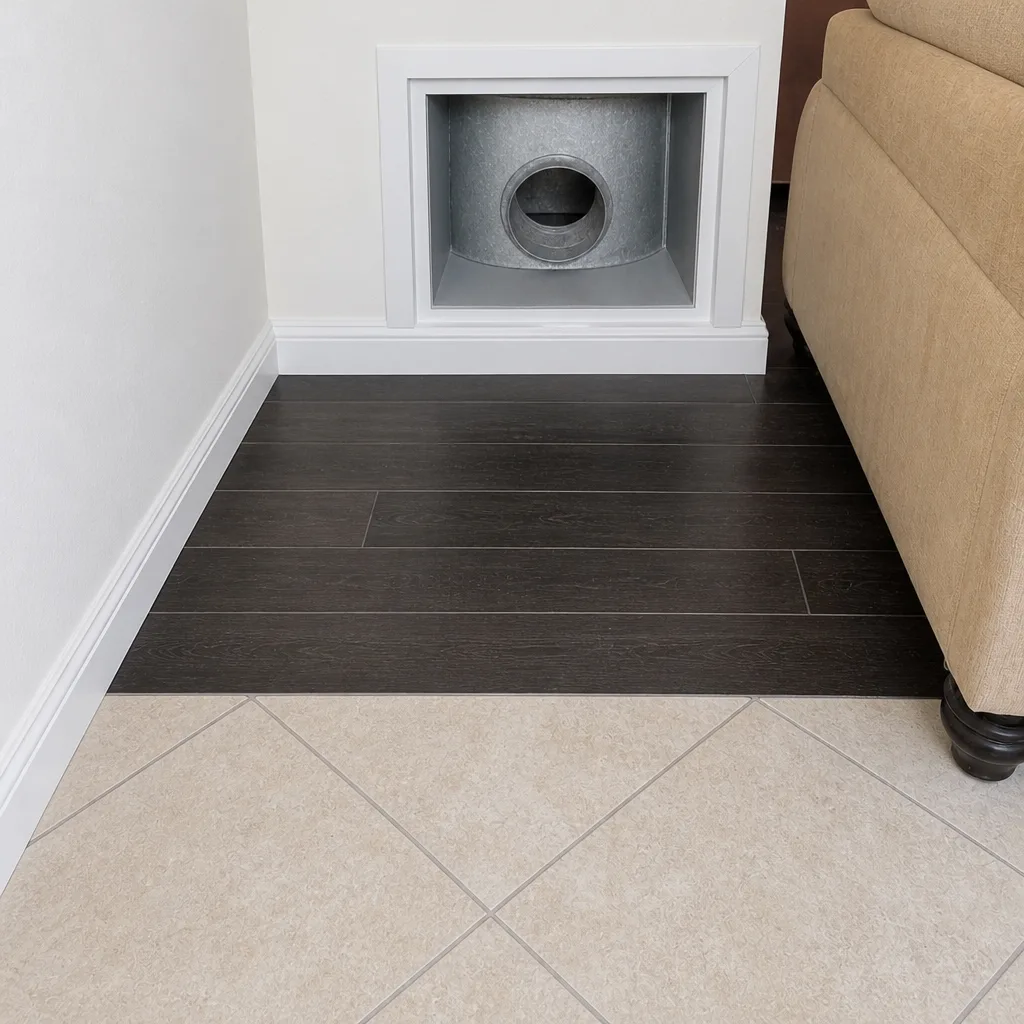 After
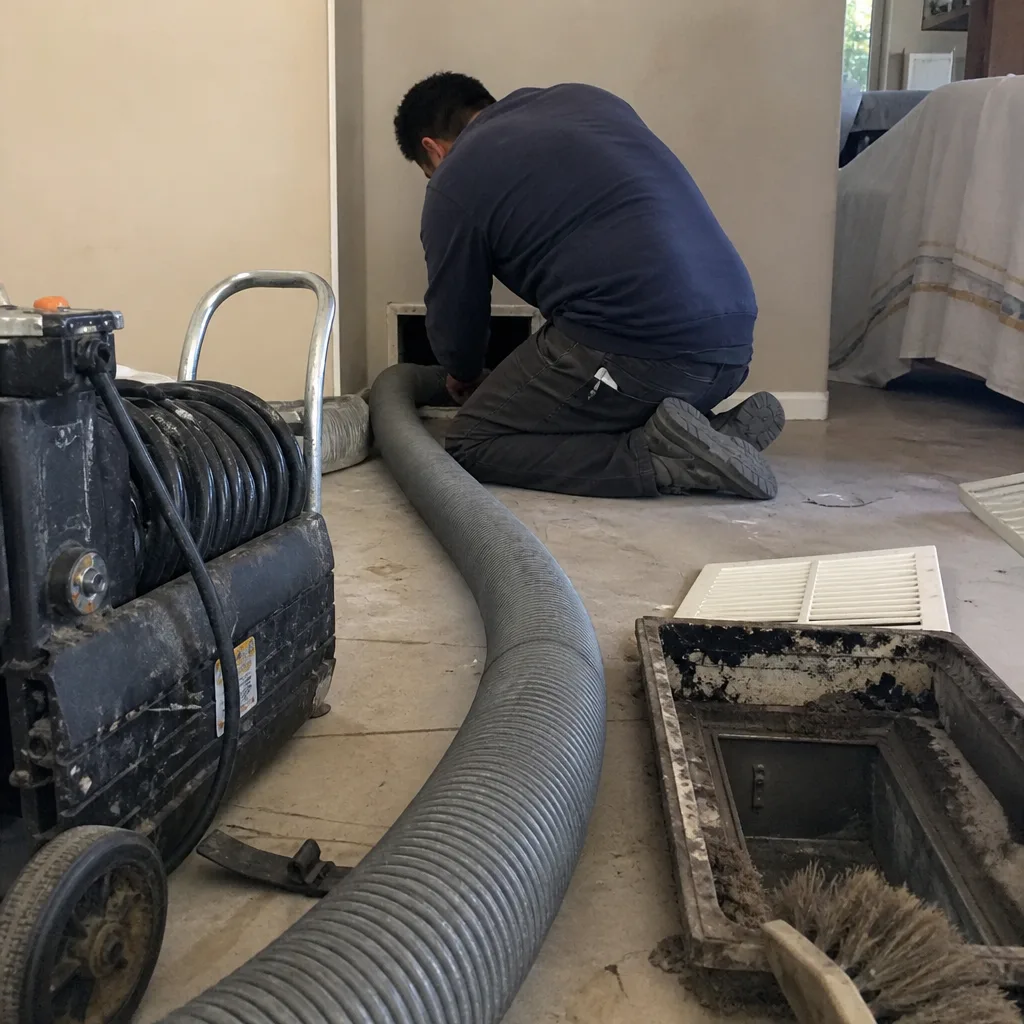 Before
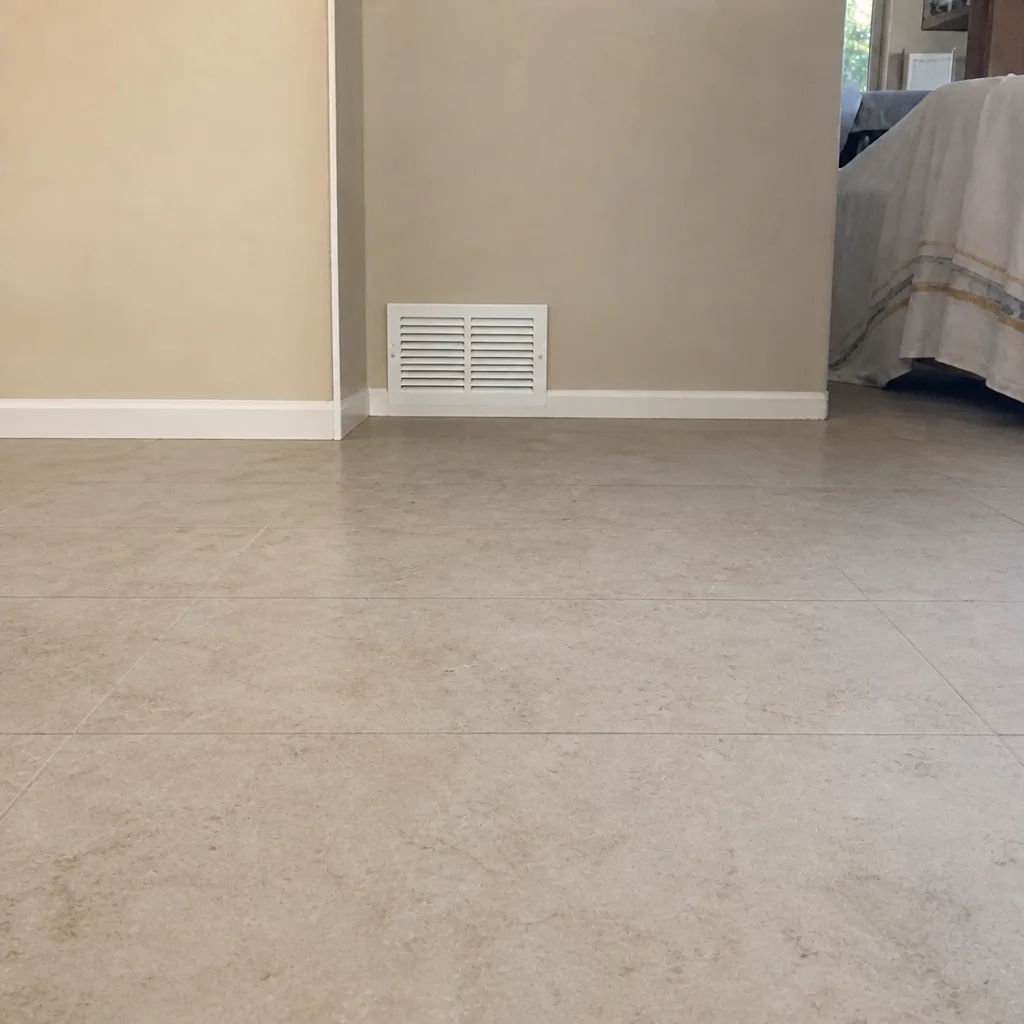 After
When to Call a Professional
Some seasonal care is visual and self-managed: filter changes, register checks, and a seasonal log. Other situations call for a specialist. If the marine layer season ends with a musty smell that wasn’t there in April, if airflow in specific rooms has dropped off, if visible dust accumulates around register edges after wind events, if anyone in the household is noticing allergy-like symptoms that seem worse indoors, or if the system hasn’t had a full cleaning in many years and the seasonal log shows a pattern of recurring dust loads – those are the situations worth a professional inspection. Heavy allergen loads, visible mold on duct surfaces, post-construction debris, and fine-particle intrusion from Santa Ana events call for Abatement Technologies filtration equipment and a full-system cleaning rather than a surface pass.
Air Duct Cleaning Downtown Anaheim offers free estimates in Downtown Anaheim – call (855) 337-1674. We answer 24/7. Fast dispatch from 7am to 7pm, Sunday through Friday. The local pro is licensed and insured as their state requires, and you get one flat price per system agreed before work starts, with before-and-after photos of your own ducts.
Frequently Asked Questions
Most Downtown Anaheim homes do well with a full-system cleaning on a yearly or every-other-year rhythm, timed to late winter or early spring before the marine layer arrives. Homes with pets, allergy concerns, recent renovation, or a long gap since the last cleaning may benefit from annual service. The seasonal log is the better guide than a fixed number – if it shows recurring dust loads and airflow changes, that’s your signal. Call (855) 337-1674 for an exact quote – estimates are free.
Yes, for duct systems carrying a residual dust load. Moisture alone doesn’t cause growth, but moisture plus settled dust on duct liner surfaces is the combination microbial growth needs. The May and June marine layer in Downtown Anaheim is the highest-risk moisture window of the year for that reason. A cleaning ahead of the window removes the food source. Call (855) 337-1674 if you’re unsure where your system stands – estimates are free.
Filter changes help, but they don’t replace cleaning. A filter catches particles passing through it. It doesn’t remove debris that’s already settled in the ducts, on the blower wheel, or on the evaporator coil, and it doesn’t address leaks in the return system that let particulate in during wind events. Filter changes and cleaning handle different parts of the system. Call (855) 337-1674 for an exact quote – estimates are free.
Duct cleaning removes contamination from inside the system. Duct repair and sealing closes the leaks, gaps, and deteriorated connections that let outside air into the system in the first place. Cleaning without sealing is maintenance that gets undone by the next Santa Ana wind event; sealing without cleaning leaves the contamination in place. Both together is what makes the work last. Call (855) 337-1674 to schedule both – estimates are free.
Cheaper quotes often reflect surface-level cleaning with consumer-grade equipment rather than a full-system service with professional duct cleaning equipment. A low upfront price that grows once the technician is on site is the pattern to watch for. We give one flat price per system agreed before work starts, use Rotobrush and Nikro systems, and provide before-and-after photos of your own ducts. Call (855) 337-1674 for an exact quote – estimates are free.
Before the season rather than after. Sealing leaks and confirming the return system is tight going into October and November is more effective than chasing intrusion after each wind event. If you’re already mid-season, run the 48-hour post-event filter and register check described above and log what you find. Call (855) 337-1674 for an inspection – estimates are free.
The Bottom Line
Downtown Anaheim’s four HVAC cycles – marine layer spring, peak cooling summer, Santa Ana fall, and winter heating ramp-up – each stress the duct system differently. Cleaning on a seasonal rhythm rather than a vague once-every-few-years schedule keeps each cycle from compounding the last. Pair cleaning with duct repair and sealing so the work isn’t undone, keep a simple seasonal log with filter dates and observations, and check registers after wind events. For heavy contamination, allergen loads, or a system that hasn’t been serviced in many years, a specialist with Rotobrush, Nikro, and Abatement Technologies equipment handles what a surface pass can’t.
Ready to get your system on a seasonal rhythm? Call Air Duct Cleaning Downtown Anaheim at (855) 337-1674 for a free estimate. We answer 24/7. Fast dispatch from 7am to 7pm, Sunday through Friday. The local pro is licensed and insured as their state requires, and you’ll get one flat price per system agreed before work starts, with before-and-after photos of your own ducts.
Written by the team at Air Duct Cleaning Downtown Anaheim.