
Last updated November 24, 2026
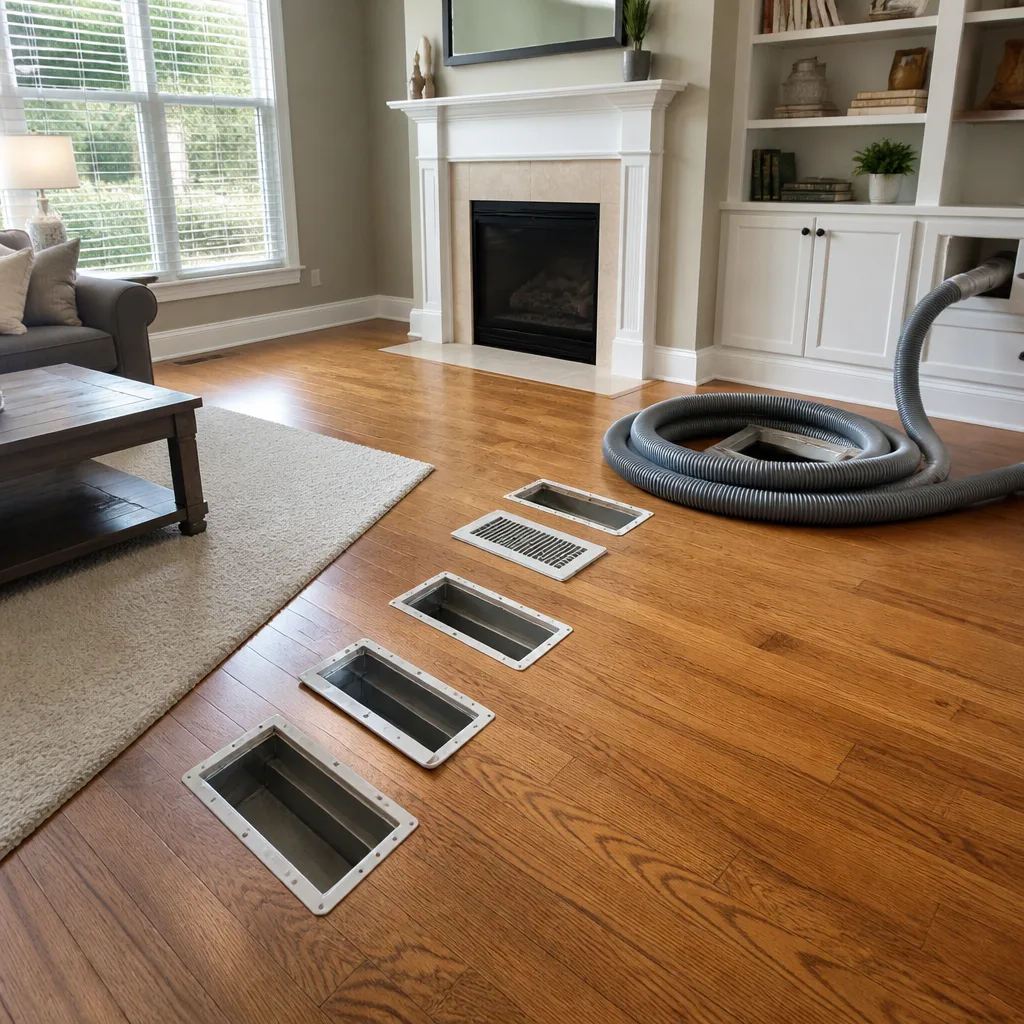 Whole-home duct cleaning
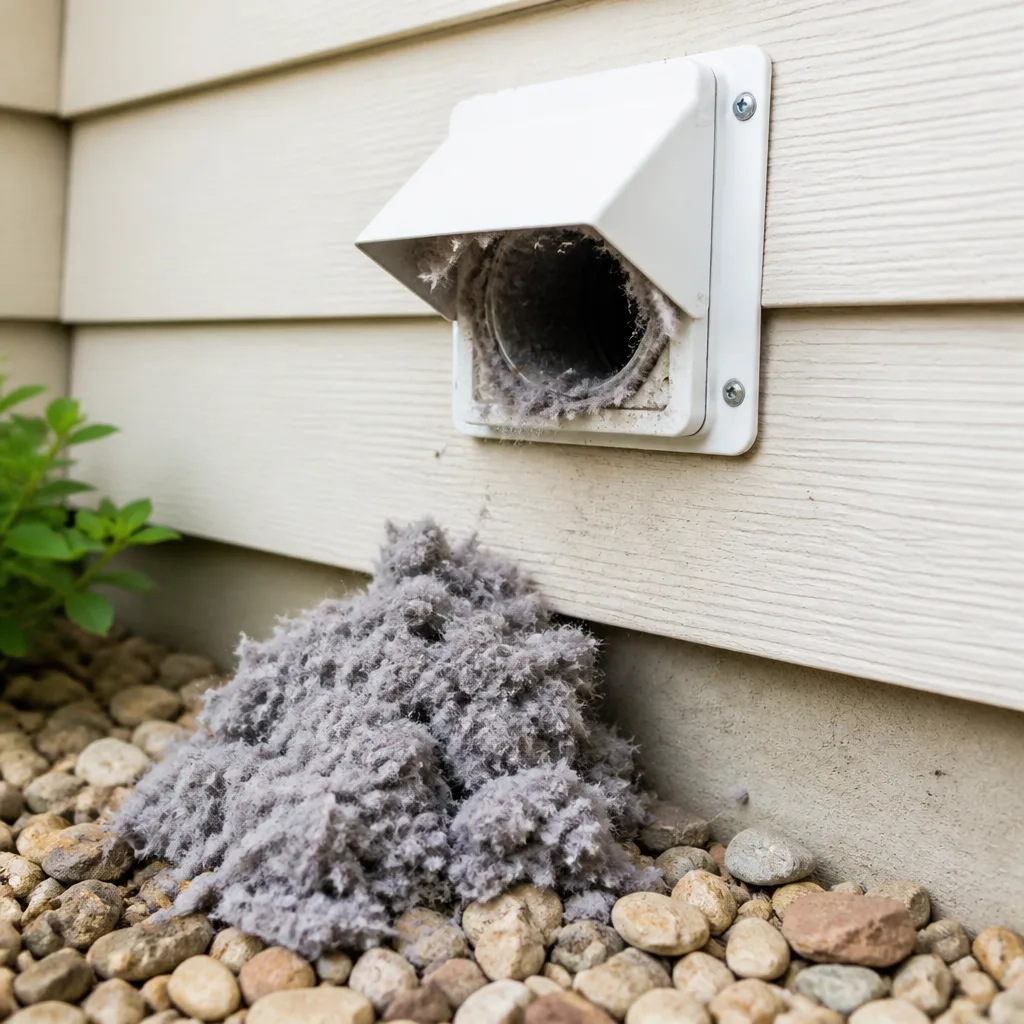 Dryer vent cleaning
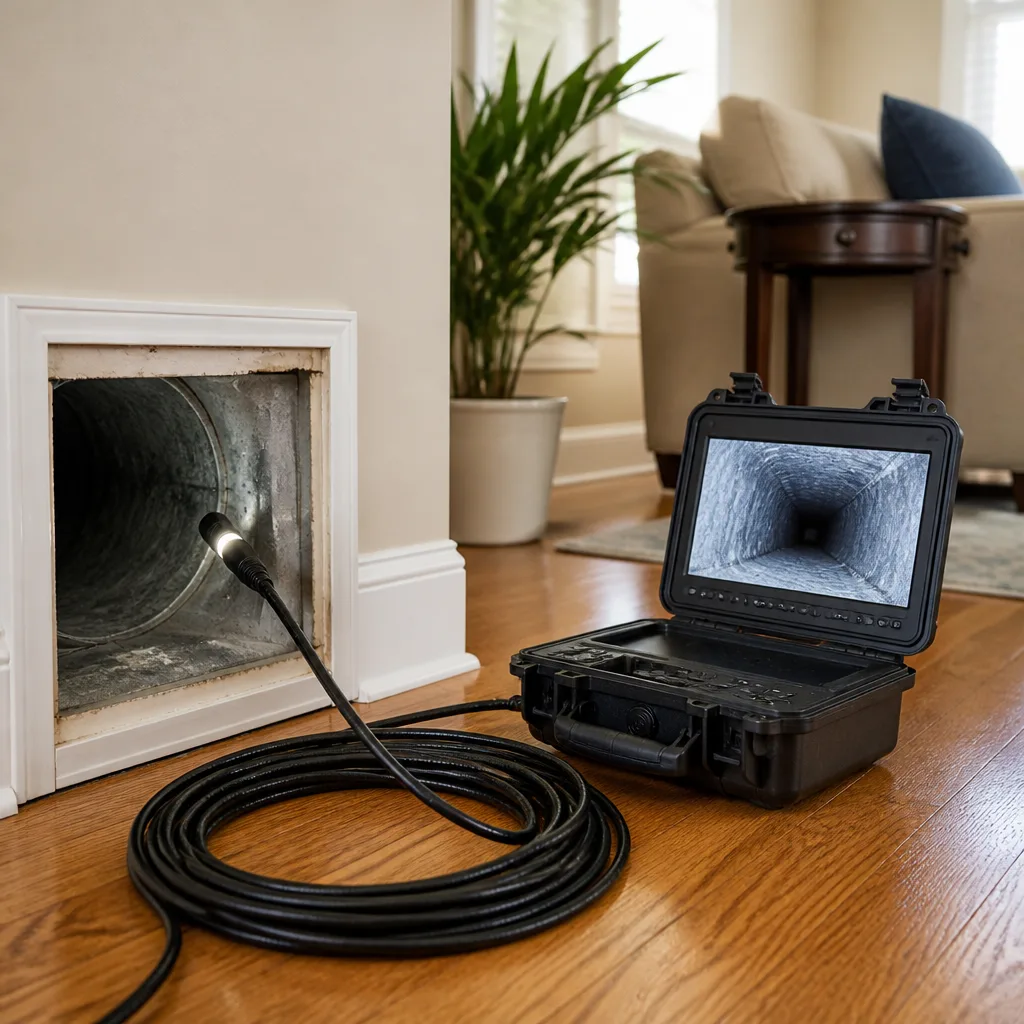 Camera inspection
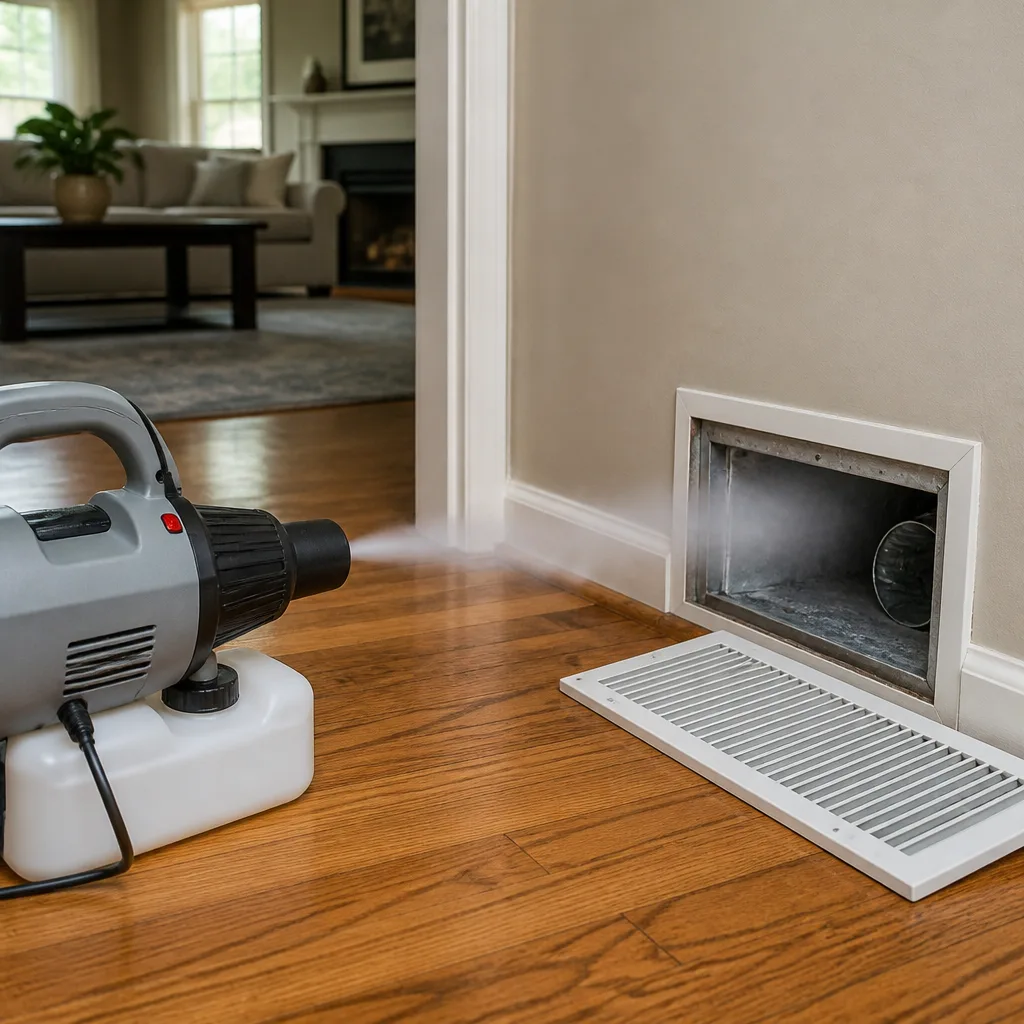 Sanitizing & deodorizing
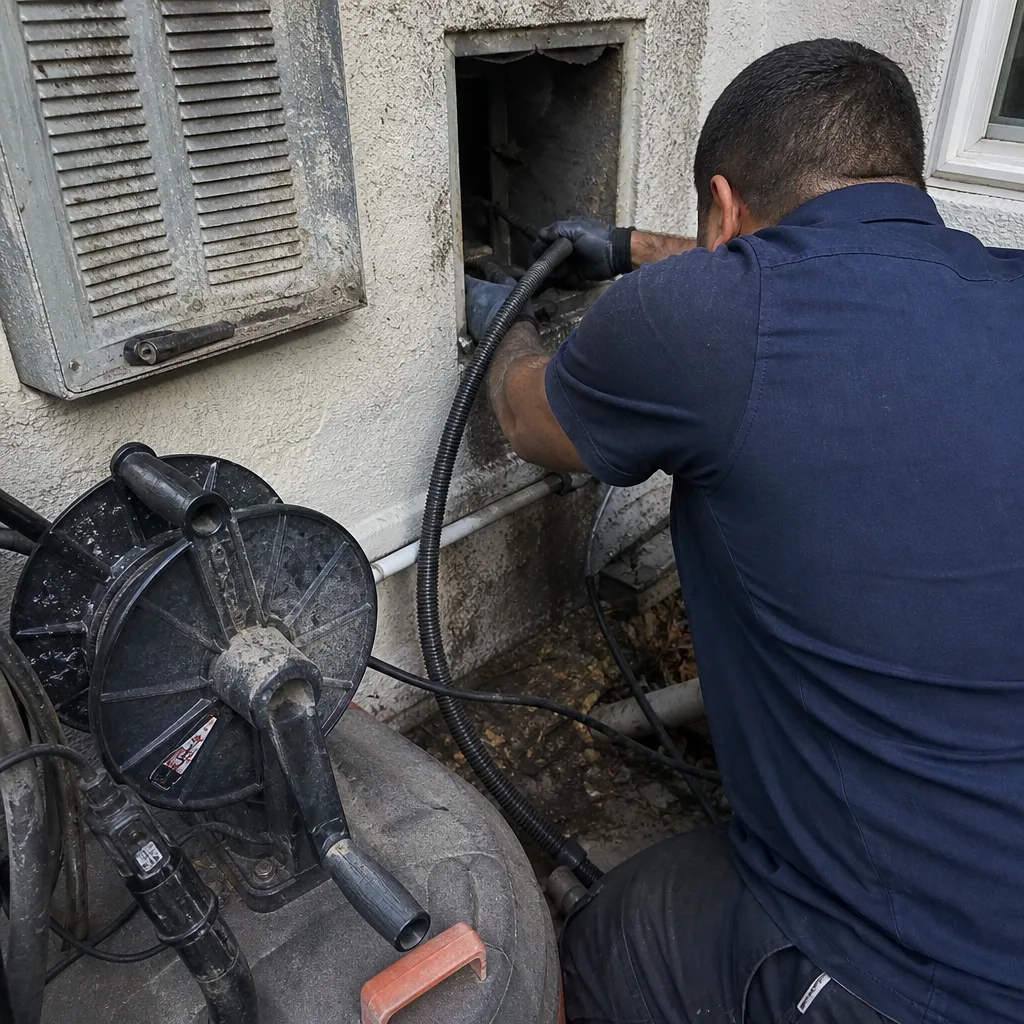
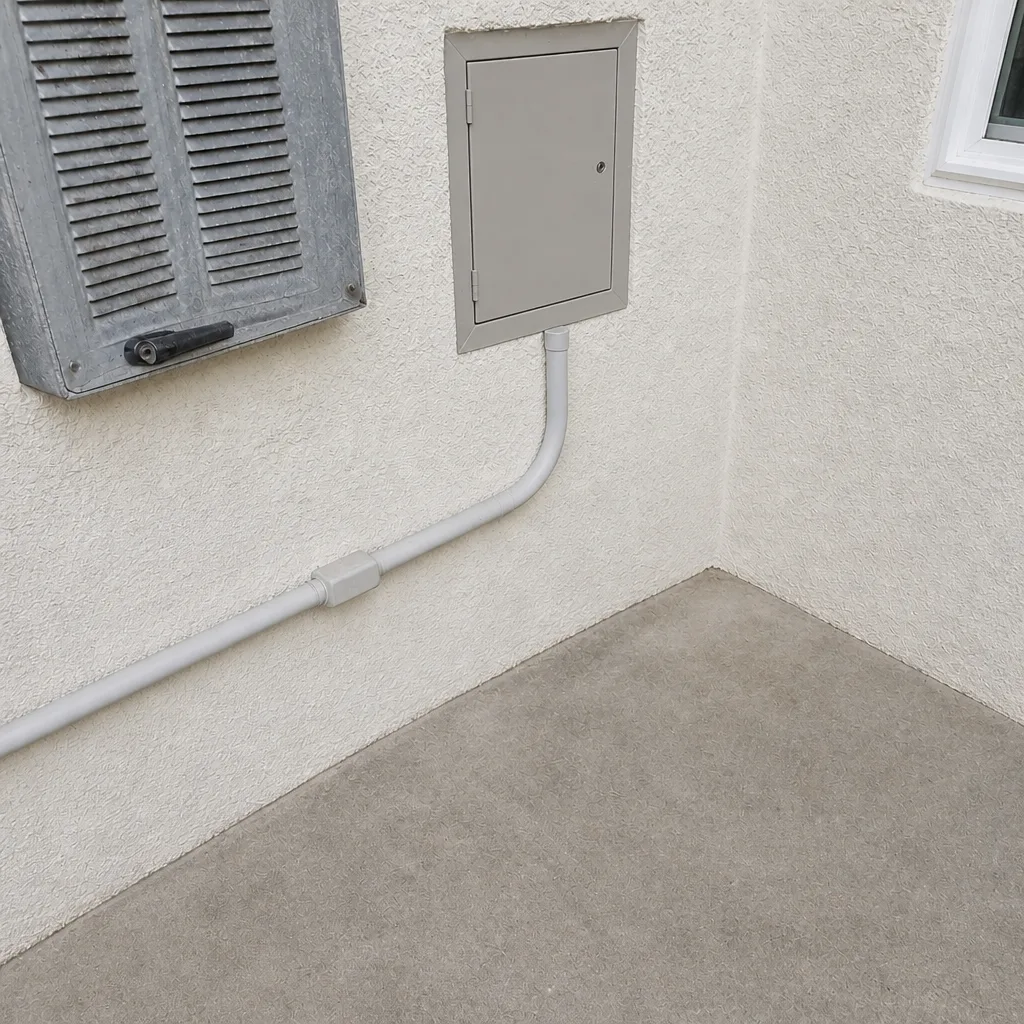
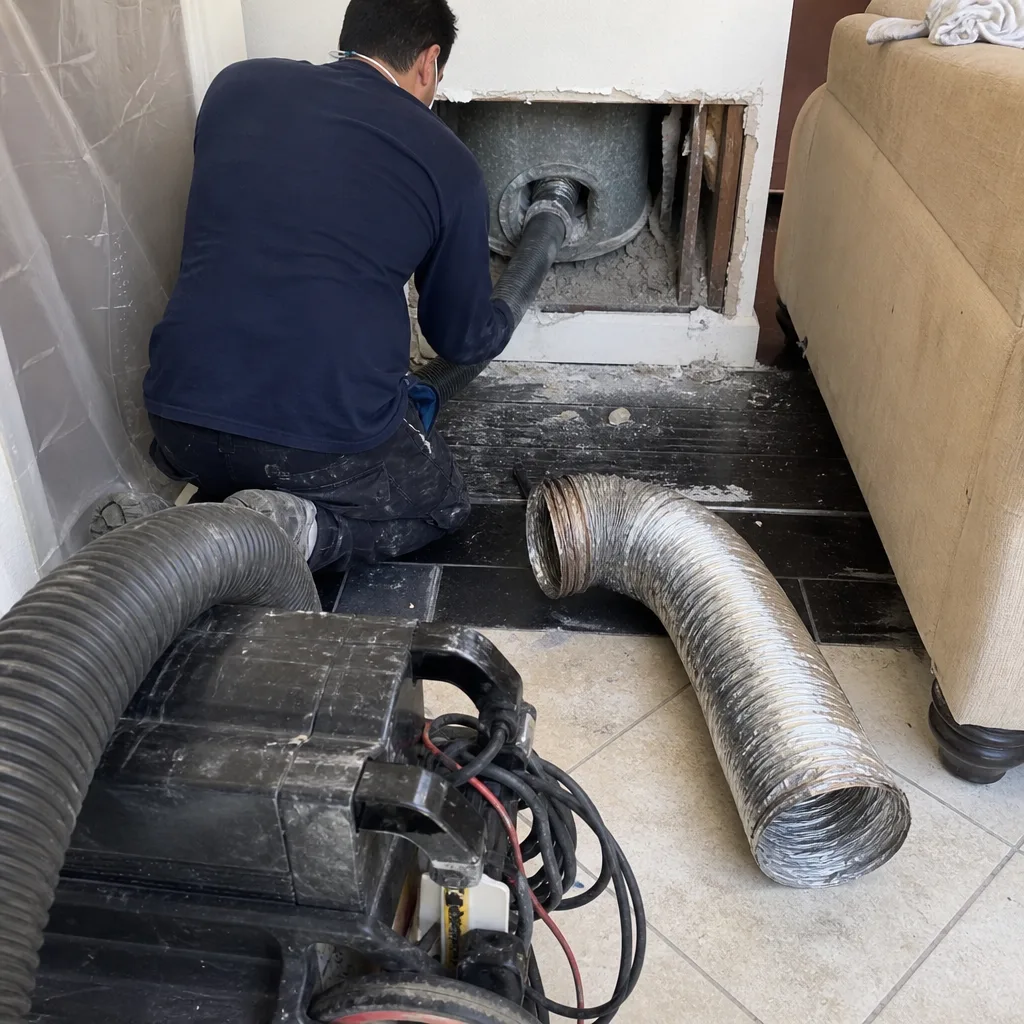
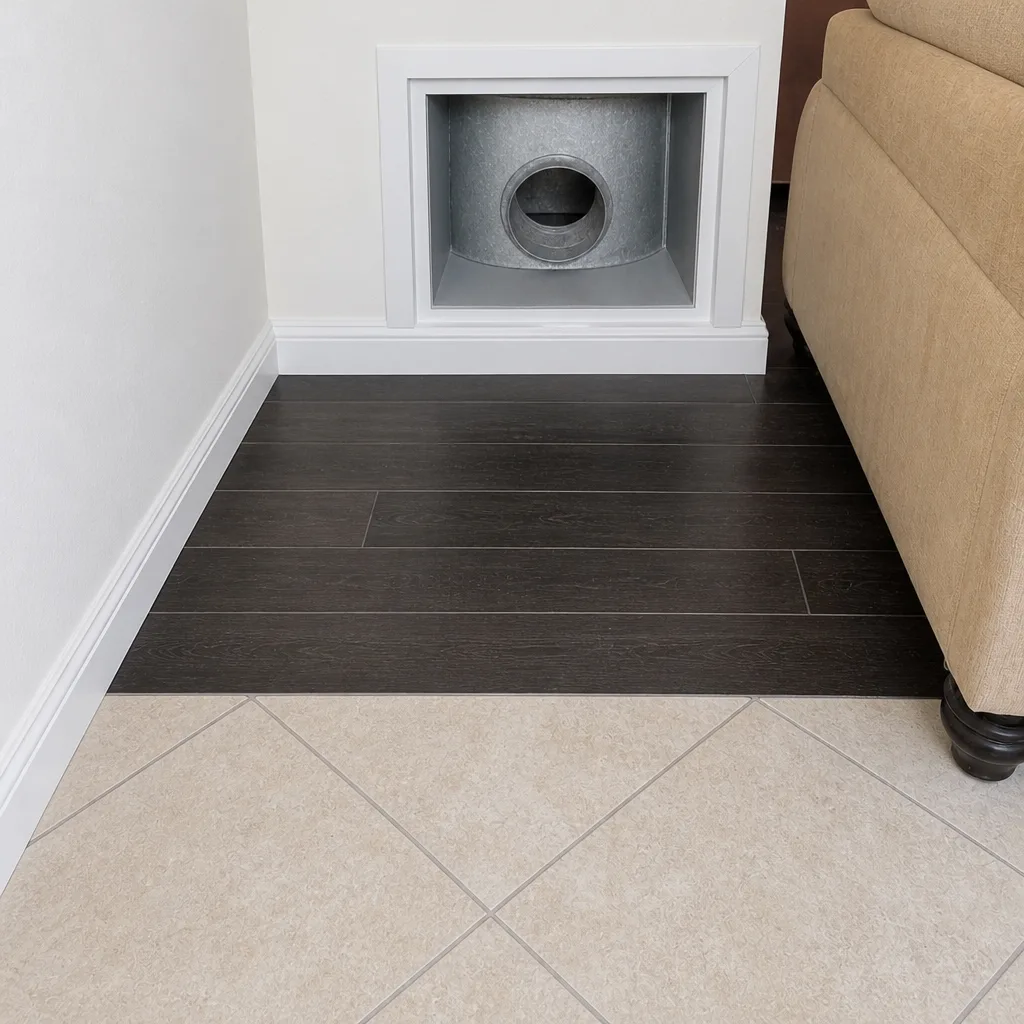
Whole-system duct and dryer vent check with before-and-after photos - you see exactly what came out of your vents
That "$99 whole-house special" is a bait ad - the real number appears once they are in your hallway, or the "clean" is a shop-vac at the register. We photograph the inside of your ducts before and after instead.
DIY vs Professional Air Duct Cleaning: The Downtown Anaheim Homeowner’s Decision Guide
The most common DIY duct cleaning mistake isn’t doing it wrong. It’s that running a household vacuum at the registers without isolating negative pressure at the main trunk line doesn’t remove debris from your ducts at all. It pushes loose dust and allergen matter further into the system, deeper into runs you can’t see or reach, and leaves the homeowner with the quiet satisfaction of a job attempted while conditions inside the ductwork have actually gotten worse. Downtown Anaheim has a lot of older housing stock with original or partially retrofitted duct systems, and that pattern plays out here often. In this guide, we’ll walk through the actual physics of duct cleaning, what you can legitimately do yourself, where DIY turns damaging, and how to judge whether professional cleaning is the right call for your specific system.
Quick Answer
DIY air duct cleaning is appropriate for surface-level maintenance only: cleaning register grilles, vacuuming return grilles, and changing filters on schedule. It is not effective for cleaning the interior of duct runs, because consumer vacuums cannot generate the negative pressure required at the main trunk line to detach and extract debris stuck to duct walls. In most Downtown Anaheim homes with visible dust accumulation, allergy symptoms, or ductwork older than fifteen years, professional cleaning with a truck-mounted or high-capacity negative-pressure system is the only method that actually removes the contamination rather than redistributing it.
Styles & brands we work with
- Whole-home duct cleaning
- Dryer vent cleaning
- Camera inspection
- Sanitizing & deodorizing
Table of Contents
- The Physics That Make Duct Cleaning a Pressure Problem, Not a Scrubbing Problem
- What You Can Legitimately Do Yourself (and What to Skip)
- Where DIY Attempts Cause Real Damage
- Is Your Downtown Anaheim Home a Good Candidate for Professional Cleaning?
- When Your Ducts Need Repair Before Cleaning Is Even Effective
- The 10-Year Cost Comparison: DIY Supplies vs. Professional Intervals
- What Professional Equipment Does Differently
- Common Mistakes to Avoid
- When to Call a Professional
- Frequently Asked Questions
The Physics That Make Duct Cleaning a Pressure Problem, Not a Scrubbing Problem
Every professional duct cleaning system is built around one variable: negative pressure. To pull debris off a duct wall, you need to lower the pressure inside the duct below ambient pressure so that air and loosened matter flow toward an extraction point rather than settling or being pushed. A shop vacuum or a household canister vacuum generates a small fraction of the static pressure a purpose-built duct cleaning unit does, and even if it generated enough, it has no way to distribute that vacuum through sixteen or twenty separate runs at once. That’s the crux of the DIY vs. professional question, and it has nothing to do with skill level.
The right setup has three components that work together. First, a high-capacity vacuum source is connected at the main trunk line or at a temporary access cut, creating a pressure differential across the entire duct system. Second, an agitation tool – typically a rotary brush or compressed-air whip on a flexible shaft – travels each run from the register back to the trunk, loosening material that has bonded to the duct interior. Third, the negative pressure at the trunk captures that material before it can settle back or escape into the occupied space.
That third step is the one homeowners almost always miss. Without it, the loosened debris simply gets pushed downstream from the register, settles in the plenum or in a branch run, and waits. We’ve seen this pattern in Downtown Anaheim homes where a homeowner spent an afternoon with a shop vacuum only to find visible dust returning within weeks. The dust didn’t come back – it never left. It was redistributed into the parts of the system that were never reachable in the first place.
Professional systems like Rotobrush and Nikro are designed specifically for this three-stage process. Rotobrush units pair the vacuum source with the agitation tool in a single operator-controlled rig, so the brush moves through each run while the negative pressure is actively holding the loosened material against the extraction airflow. Nikro systems do the same work with a slightly different configuration and are common in abatement and restoration environments where fine-particle capture matters. Neither is a more powerful version of a shop vacuum. They’re a fundamentally different class of tool, and that’s why professional duct cleaning isn’t just the expensive version of the same job.
What You Can Legitimately Do Yourself (and What to Skip)
None of this means a homeowner has no role in their own duct system’s health. Several maintenance tasks are genuinely appropriate for DIY and cost almost nothing. Doing them on a sensible schedule extends the interval between professional cleanings and helps you notice problems early.
What’s worth doing yourself:
- Register and grille cleaning. Pop the grilles off supply and return registers and wash them in warm soapy water. This is the visible surface that collects the most dust, and it’s low-risk. A soft brush and a sponge get the job done. Let them dry fully before reinstalling.
- Return grille vacuuming. The return side of the system pulls more air than any single supply register, so its grille clogs faster. A household vacuum with a brush attachment on the return grille face removes surface dust without touching the duct interior.
- Filter maintenance. Checking and replacing the air filter on schedule is the single highest-return action available to a homeowner. A clogged filter starves the system of airflow and accelerates dust buildup on the evaporator coil. Change frequency depends on the filter’s MERV rating and the home’s dust load, but most Downtown Anaheim homes should be checking monthly.
- Visual inspection. A flashlight and a phone camera can tell you a lot. Look into every register you can safely reach. Look at the accessible plenum and the connection points where sheet metal meets flex duct. Note anything that looks like biological growth, rodent activity, or a crushed or disconnected run.
What to skip entirely: running a vacuum nozzle into the ductwork past the register boot, using a shop vacuum to “suck out” a branch run, and any brush tool pushed through a flex duct. These three things are the most common DIY moves and the most likely to make the system worse. If you’re looking at visible buildup a few feet into a run and wondering if a household tool will reach it, the honest answer is that it won’t – and pushing a nozzle in anyway just disturbs what’s there without capturing it.
For a fuller picture of what routine maintenance should look like between cleanings, our air duct cleaning page covers the maintenance cycle in more detail.
Where DIY Attempts Cause Real Damage
The damage from DIY duct cleaning rarely shows up as an obvious failure. It shows up as a slow decline in system performance or an intermittent comfort problem that’s hard to trace. We’ve encountered three specific patterns often enough to call them out plainly.
Flex duct puncture. Flex duct is a thin-gauge inner liner wrapped in insulation and a plastic or foil vapor barrier. It’s meant to move air, not resist physical abrasion. A stiff brush tool, a rigid vacuum attachment, or even a nozzle pushed with force can tear the inner liner. Once that liner is compromised, the duct loses air to the unconditioned cavity around it, and it also becomes a collection point for debris in the tear. You get reduced delivery to the register and a new hotspot of contamination in the same location. Repairs mean replacing the affected run, which is a bigger job than cleaning it would have been.
Dislodged debris into plenum cavities. The plenum is the large sheet-metal chamber where the HVAC unit connects to the distribution trunk. Debris that gets pushed out of a branch run and into the plenum doesn’t disappear – it settles on the bottom of the plenum and along the base of trunk runs. From there it can be pulled into the air handler or dropped through a return. Homeowners who vacuum at a register without isolating the trunk can move debris from a reachable branch into an unreachable cavity. That’s a net loss.
Disturbing older duct wrap. Duct systems from the 1970s and early 1980s appear in some Downtown Anaheim properties, and some of that era’s duct wrap and exterior insulation materials contained asbestos. Disturbing these materials creates airborne fibers that are far more concerning than duct dust. If your ductwork dates to that era, or if you’re unsure, don’t brush, scrape, or vacuum the material directly. Have the duct wrap assessed by a qualified professional before any cleaning is attempted, and treat this as a firm line. Professional cleaning in a home with suspect materials requires specific handling, and the equipment used in abatement work is part of why we keep Abatement Technologies filtration in our toolkit for jobs where fine-particle capture matters.
If your system has already been damaged by a DIY attempt, our HVAC cleaning service covers the coil, plenum, and air handler side, which is where dislodged debris usually ends up.
Is Your Downtown Anaheim Home a Good Candidate for Professional Cleaning?
Not every home needs professional cleaning on a hurry-up basis. Some do, clearly. Others are on a maintenance cycle. A homeowner should be able to tell which situation applies with a few basic questions.
Strong candidates for cleaning now:
- Visible dust accumulation at supply registers – not just a light film, but sustained buildup that returns within a few weeks of wiping. This usually signals a system-wide contamination load, not a surface issue.
- Recent renovation or construction – drywall dust and construction debris are among the most common reasons duct systems need cleaning outside their normal cycle. If work has happened in your home recently, the ducts pulled that dust.
- Persistent allergy or respiratory symptoms that improve away from the house – this isn’t a diagnosis, and it’s not proof. But when allergy symptoms correlate with time spent at home, it’s worth examining indoor air quality as a contributing factor.
- Rodent or pest activity – evidence of nesting or droppings in the duct system is a health concern and calls for professional cleaning, not DIY. Disturbing contaminated material without proper containment is a bad idea.
- Visible biological growth around registers or the plenum – if you see or smell something that suggests mold, professional assessment is the right next step. Duct sanitizing is a follow-up to cleaning, not a substitute for it.
- Ductwork twenty years old or older – older systems accumulate contamination load well beyond what a newer system carries, especially if the system has never been cleaned.
Reasonable to wait, but keep an eye on it:
Homes with a well-maintained filter schedule, no recent renovation, no visible accumulation, and no symptom correlation are often fine on a maintenance interval. Downtown Anaheim’s warm, dry summers mean the AC runs a long season, and that drives contaminated air through the system for months on end. Given that load, we generally suggest an inspection every three to five years for homes without acute symptoms.
Not a candidate yet – repair first: if the ducts are crushed, disconnected, or sagging, cleaning them will only displace the contamination and it won’t stay clean. This is the point where repair and sealing become the actual job, and cleaning follows. Our guide to duct repair is a good next read if this applies to you.
When Your Ducts Need Repair Before Cleaning Is Even Effective
One of the more useful things a homeowner can learn about their own duct system is the difference between a dirty duct and a broken one. They look similar from a distance – both can show dust at the registers and uneven airflow between rooms – but they need completely different work.
Signs of a duct problem that isn’t a contamination problem:
- One or two rooms consistently warmer or cooler than the rest of the house, even when the system is running hard
- Airflow at a register that feels noticeably weaker than others
- Audible whistling, rattling, or buzzing at a register or where ductwork runs through a closet or wall
- Visible sagging, kinking, or disconnection of flex duct where you can safely see it
- Higher energy bills compared to previous years on similar weather
Clean ducts that lose their air supply to leaks around disconnects are not actually improving indoor air quality. They’re feeding that air into a crawlspace or wall cavity instead. Duct sealing addresses leaks at joints, boots, and connections, and in a lot of Downtown Anaheim homes the sequencing matters: seal first, then clean, so the system you clean is the system that will stay clean. Where cleaning and sealing can be handled in one visit, that’s usually the better plan.
For a closer look at what’s rated as effective whole-home equipment, we install and service Aprilaire and Honeywell systems – but only after the ducts themselves are sound. Upgrades on a leaky, contaminated system are money spent on the wrong layer of the problem.
The 10-Year Cost Comparison: DIY Supplies vs. Professional Intervals
On a single-year horizon, DIY duct cleaning looks cheap by a wide margin. On a ten-year horizon, the comparison gets more interesting, and the outcome depends largely on how much contamination your system accumulates. We’re not going to pretend a professional cleaning is a cost saver for every home. But a fair comparison has to account for more than the invoice.
Here’s a typical estimated cost picture for Downtown Anaheim. Written estimates set final pricing, so treat these as a range to plan with, not a quote.
- Professional full-system duct cleaning: approximately $400 – $750 per visit for a typical single-family home, higher for larger systems, multiple zones, or heavy contamination
- Professional duct repair and sealing: varies widely with the scope of the leak and the length of duct affected
- Professional dryer vent cleaning (dedicated service): typically $125 – $225, and separate from duct cleaning
- DIY supplies over ten years: filters (roughly $15 – $35 each, replaced every one to three months), a handheld vacuum or shop vacuum that will typically fail and be replaced once or twice, and gentle surface cleaning supplies
- Replacement of a failed blower motor or evaporator coil due to accumulated dust load: hundreds to over a thousand dollars, and not covered as a routine service
Over ten years, a reasonable comparison looks like this. A homeowner spending roughly $180 – $250 per year on filters, plus $150 – $300 in DIY vacuum equipment replacement over the decade, will spend somewhere around $1,800 – $2,800 on supplies alone. That doesn’t include the cost of a blower motor or coil failure that dirty ducts contribute to. A professional maintenance interval of one full cleaning every three to five years, at roughly $500 – $700 per visit, comes in at around $1,000 – $2,300 over the same decade – and a kept-up system frequently runs filters longer between replacements because there’s less dust for the filter to load with.
The comparison flips in favor of professional cleaning once you factor in equipment failures. A blower motor replacement driven by a dust-clogged system typically costs more than a full cleaning. That’s the argument against the “just vacuum it yourself” approach: DIY doesn’t eliminate the contamination, and the system pays for it downstream. For homeowners looking at a specific quote, our Air Duct Cleaning Downtown Anaheim page covers what to ask about when comparing estimates.
What Professional Equipment Does Differently
The equipment gap between consumer and professional duct cleaning isn’t a matter of a bigger motor. It’s a difference in what each tool is built to do.
Rotobrush systems combine the agitation tool and the extraction vacuum in a single rig the technician operates run by run. The brush head is sized to the duct and rotates at a rate that loosens bonded material without tearing the duct interior. Negative pressure at the machine captures loosened material as the brush retracts. This is a purpose-built system, not a household vacuum with a longer hose.
Nikro systems are used in restoration and abatement environments where fine particle removal matters. The capture efficiency matters more than raw suction, and that’s what makes these systems appropriate for homes with heavy allergen loads, mold presence, post-construction debris, or fine-particle contamination.
Abatement Technologies filtration sits in the same class. The name refers to the standard in air filtration equipment used in abatement work. Where a home’s contamination profile calls for the extra capture, we bring that equipment, because otherwise the fine material you’re trying to remove gets released back into the house.
Guardsman-grade sanitizing is a post-cleaning treatment, not a substitute for cleaning. Sanitizing a still-dirty duct is putting a coating on contamination. When applied after thorough mechanical cleaning, it’s a meaningful last step that helps hold the system’s cleanliness between cleanings.
Because we focus on indoor air quality as a specialty – not as an add-on to general HVAC service – the whole arc of the system is covered in one place: cleaning, dryer vent cleaning, repairs and sealing, and air quality upgrades with Aprilaire and Honeywell equipment. Our technicians have up to 13 years of experience working this layer of the system specifically, rather than treating it as a side task on a larger service visit.
Common Mistakes to Avoid
- Vacuuming at a register without isolating the trunk. Without negative pressure at the main trunk line, loosened debris settles back into the duct or gets pushed into a run you can’t reach. The vacuum looks like it’s doing something; it usually isn’t.
- Pushing a brush into a flex duct. Flex duct’s inner liner tears more easily than most homeowners expect. A puncture means the run loses air, and the tear becomes a new contamination point. Replace the affected run and you’re back to the same result as a professional cleaning plus a repair.
- Ignoring the return side of the system. Supply registers get the attention because they’re in the living space, but the return grille pulls far more volume and clogs faster. A dirty return grille is often the first sign of a system-wide problem.
- Putting off filter changes to save money. A loaded filter means reduced airflow, which raises runtime on the blower and evaporator coil. In Downtown Anaheim’s long cooling season, that’s a direct hit on system life and energy bills.
- Doing anything at all in a home with suspect older duct wrap. If the duct wrap looks like it dates to the mid-1970s or early 1980s, don’t brush or scrape it. Get it assessed first, before any cleaning attempt, and leave that part to a trained professional.
- Calling for a cleaning without a scope of work. A vague “we’ll clean the ducts” quote without a written scope is the setup for disappointment. Ask what’s covered: main trunk, all supply runs, all return runs, plenum, blower, and coil. Ask if repair and sealing are options if the tech finds leaks.
- Assuming a cheap quote will end at the quoted price. A low teaser figure that becomes a larger invoice once the technician is on site is the pattern in this trade that homeowners most want to avoid – and reasonably so. Ask for one flat price per system, agreed before any work starts, and honest before-and-after photos of your own ducts.
When to Call a Professional
Call a professional for duct cleaning when you see sustained dust accumulation at supply registers that returns within weeks, when recent renovation has loaded the system with drywall dust, when there’s evidence of pests or biological growth in the system, or when allergy symptoms correlate with time spent in the home. Call when your ducts are old enough that they’ve been neglected for more than a decade, and call if you notice uneven airflow between rooms – that’s a sign you may need repair and cleaning, and the order matters. If your home has older duct wrap of uncertain age, call before you touch anything. Air Duct Cleaning Downtown Anaheim offers free estimates in Downtown Anaheim – call (855) 337-1674. We answer 24/7, with fast dispatch from 7am to 7pm.
Frequently Asked Questions
Professional air duct cleaning in Downtown Anaheim typically runs $400 – $750 for a standard single-family home, with larger systems or heavy contamination at the upper end. Written estimates set the final price, and estimates are free. Call (855) 337-1674 for an exact quote.
No. A shop vacuum can’t generate the negative pressure required to detach and extract debris from the interior duct walls. In most cases, running a shop vacuum at a register without isolating the main trunk line pushes loosened debris deeper into the system rather than removing it. For an honest look at your specific system, call (855) 337-1674.
Some quotes look cheap because they cover only surface cleaning at the registers, without full-run agitation or negative-pressure extraction at the trunk line – the same limits a DIY job has. A full-system cleaning covers the main trunk, all supply and return runs, the plenum, and the air handler. Ask each provider what their quote actually covers before comparing numbers. Air Duct Cleaning Downtown Anaheim works on one flat price per system agreed before work starts.
Look at before-and-after photos of your own ducts – not stock imagery, your system. Ask what the technician removed and where they took the photos from. A written scope with before-and-after photo documentation is the standard to insist on. Call (855) 337-1674 to schedule a free estimate and see what’s included.
Every three to five years is typical for most homes without acute contamination concerns, and sooner after major renovation, pest intrusion, or a long stretch of no cleaning on older ductwork. Downtown Anaheim’s long cooling season means the system runs for months of the year, which pushes dust through it faster. Call (855) 337-1674 for a free assessment of your system’s interval.
We can’t promise a medical outcome, and no one should. What professional cleaning does is remove accumulated allergen material – dust, pollen, pet dander, and fine particulate – from the ducts and the air handler. Many homeowners report reduced symptoms after cleaning, but it’s a matter of removing a source, not a treatment. Call (855) 337-1674 for a free estimate if your symptoms correlate with time at home.
The Bottom Line
The DIY vs. professional duct cleaning question isn’t a skill contest. It’s a question of whether consumer equipment can generate the negative pressure needed to detach and remove debris from the duct interior, and it can’t. DIY is appropriate for register grille cleaning, return grille vacuuming, filter maintenance, and visual inspection. It stops being appropriate the moment you think about pushing a tool into the ductwork itself, where the risk of punctured flex duct, dislodged debris in the plenum, or disturbed older duct wrap outweighs any saving. For most Downtown Anaheim homes with visible dust accumulation, unexplained airflow problems, or a renovation in the rearview, professional cleaning plus sealing is where the real improvement comes from. One call covers the whole system when the provider specializes in it.
Ready to get a written estimate on your system? Call (855) 337-1674 for a free estimate. We answer 24/7, with fast dispatch from 7am to 7pm, Sunday through Friday. Air Duct Cleaning Downtown Anaheim works on one flat price per system agreed before any work starts, with before-and-after photos so you can see exactly what was removed.
Written by the team at Air Duct Cleaning Downtown Anaheim.
See the difference
 Before
 After
 Before
 After
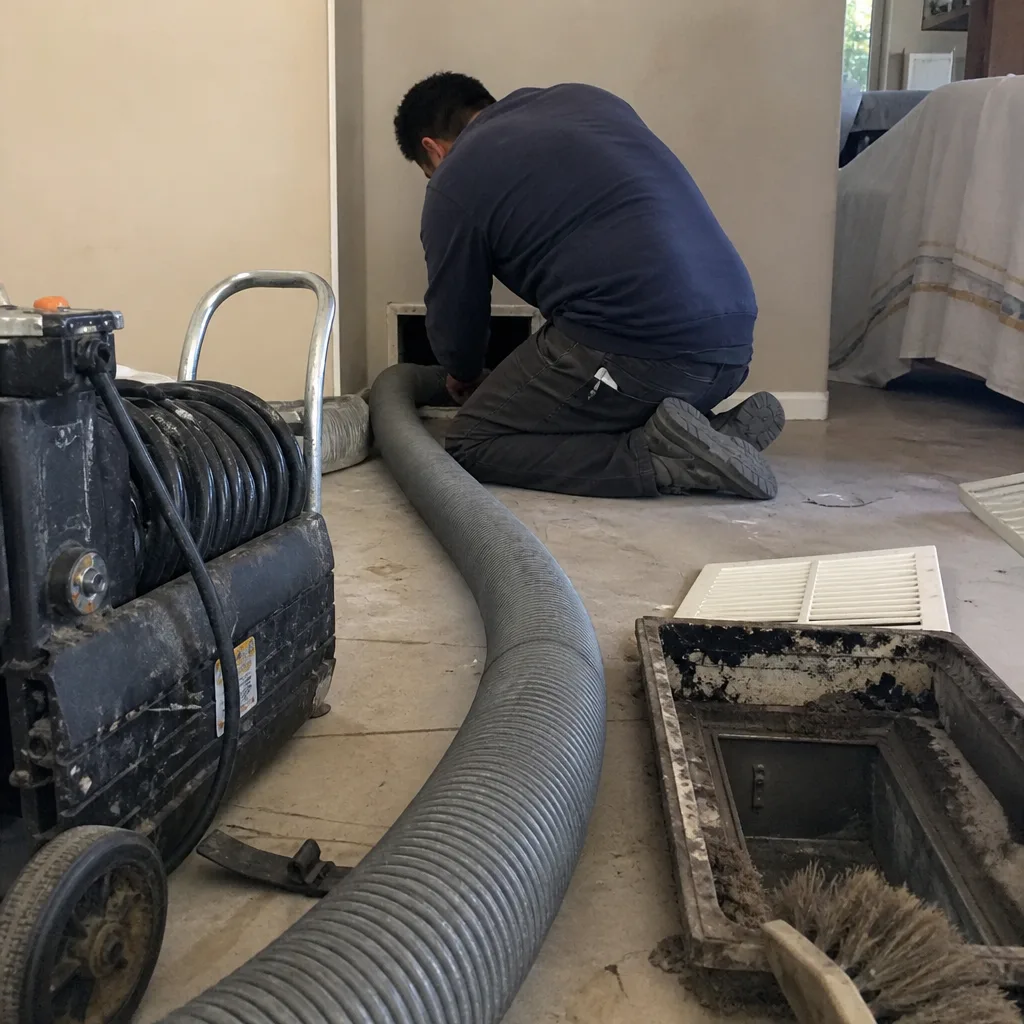 Before
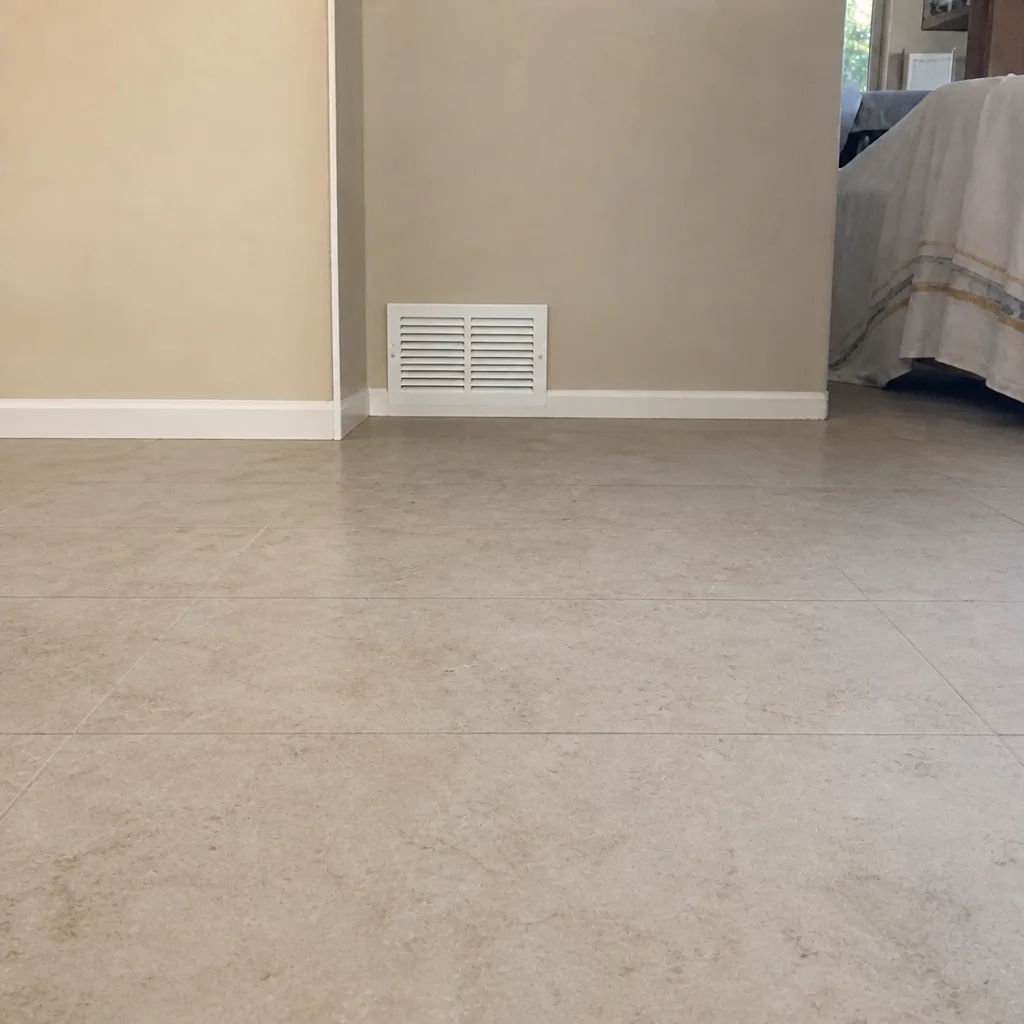 After