
Last updated November 24, 2026
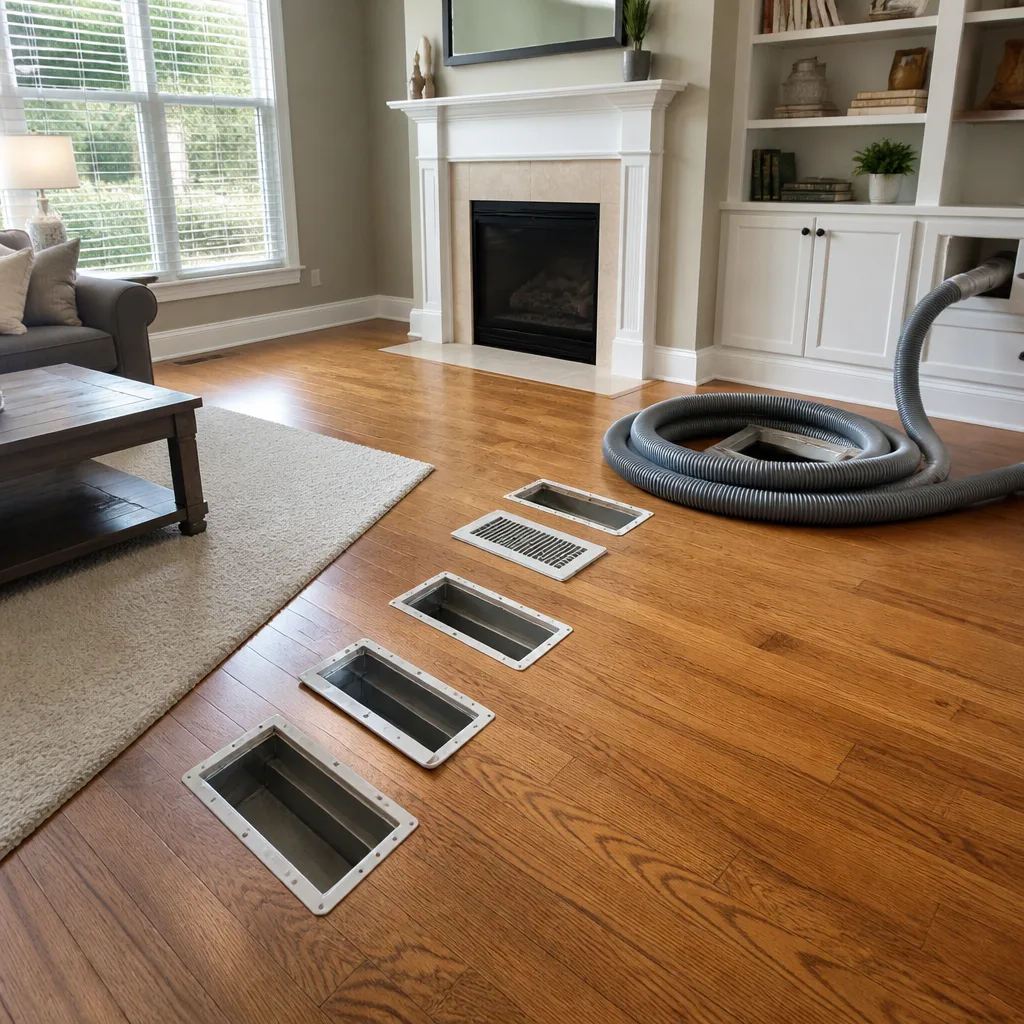 Whole-home duct cleaning
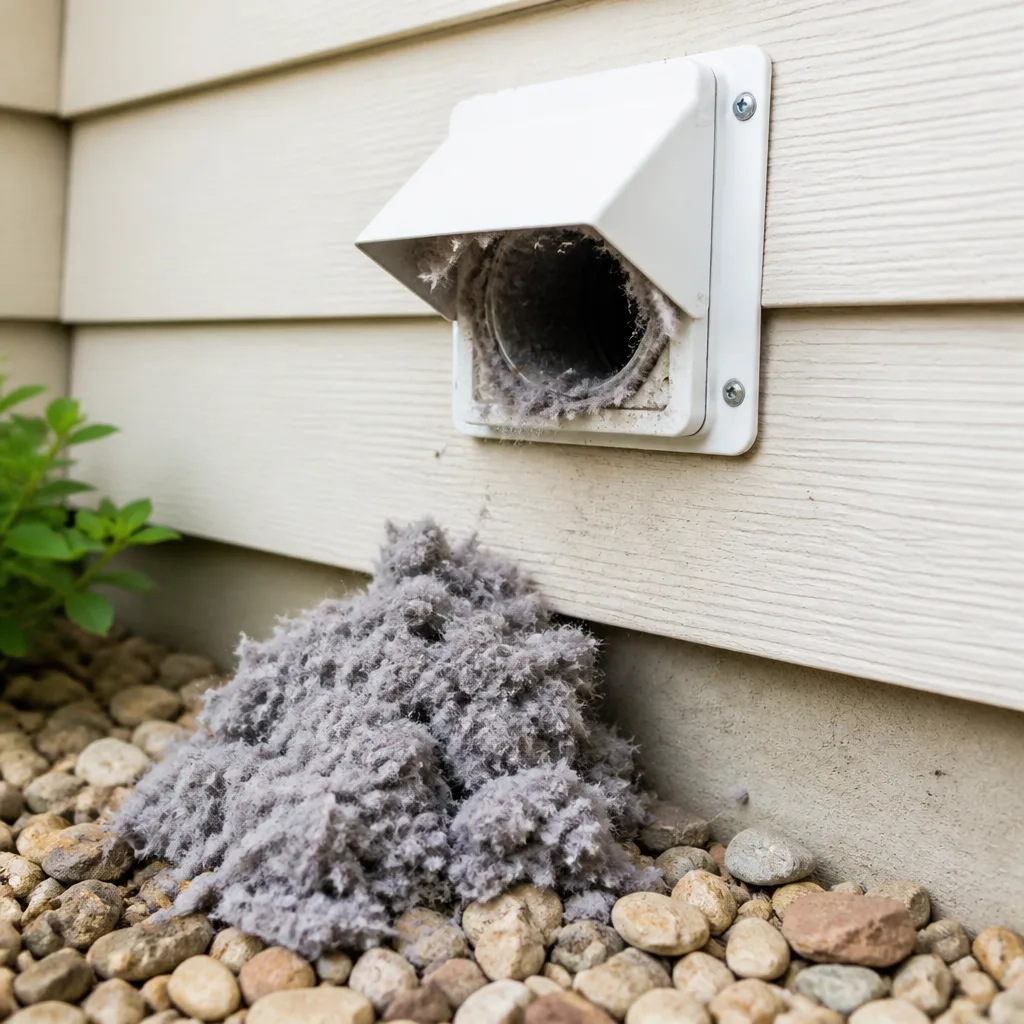 Dryer vent cleaning
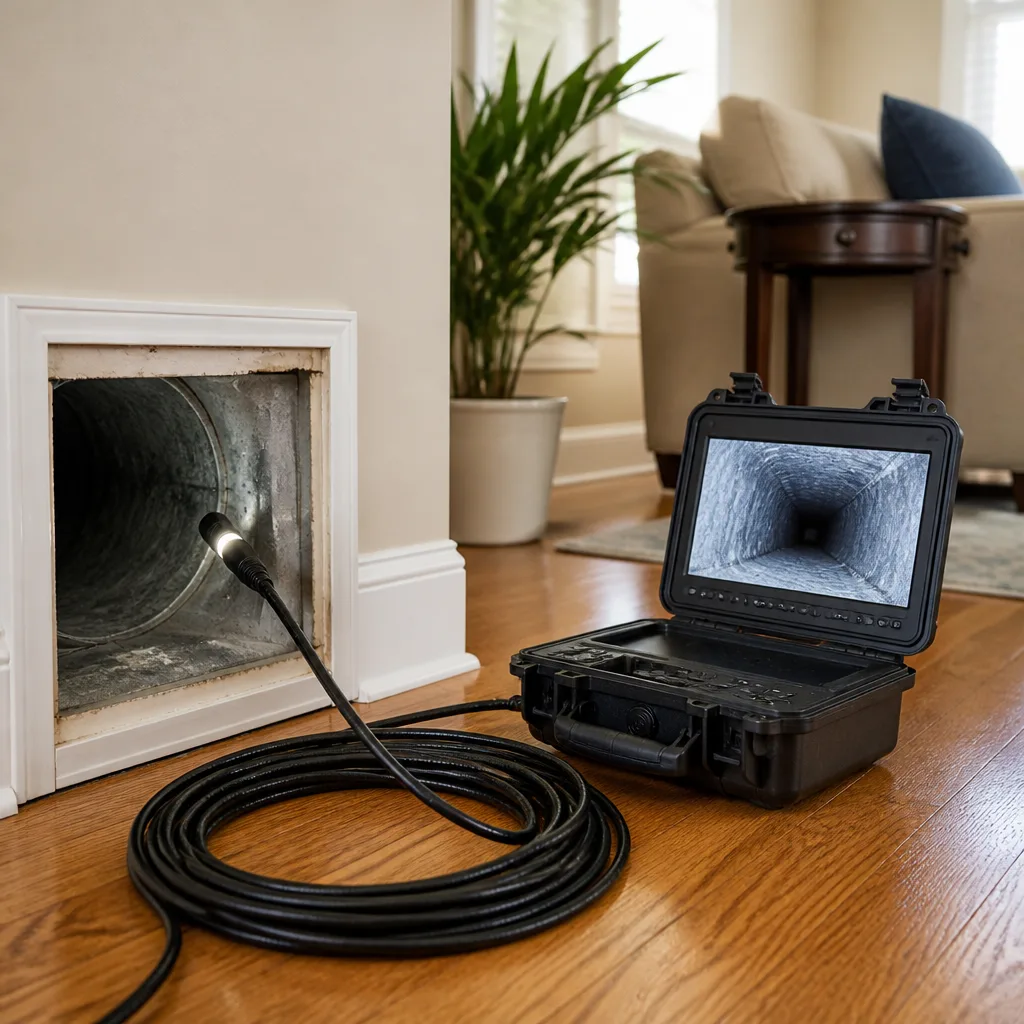 Camera inspection
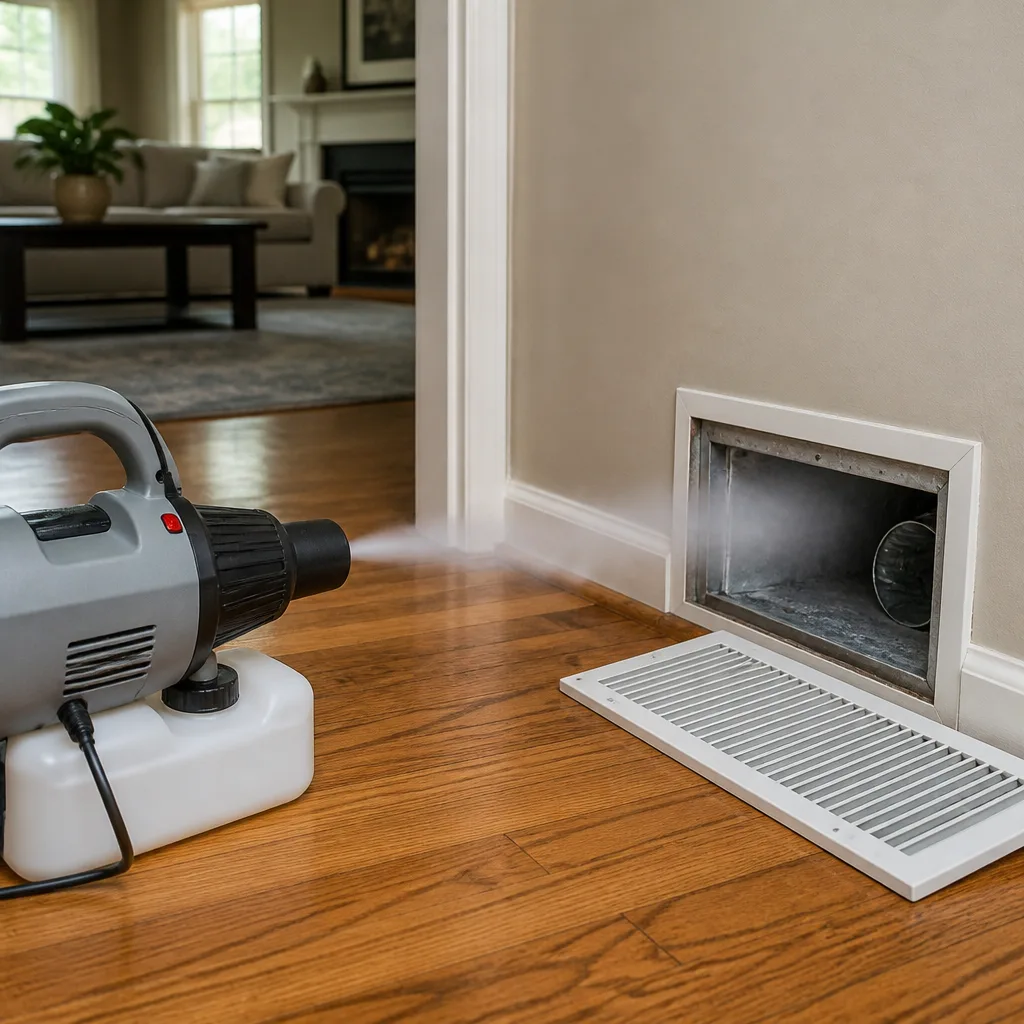 Sanitizing & deodorizing
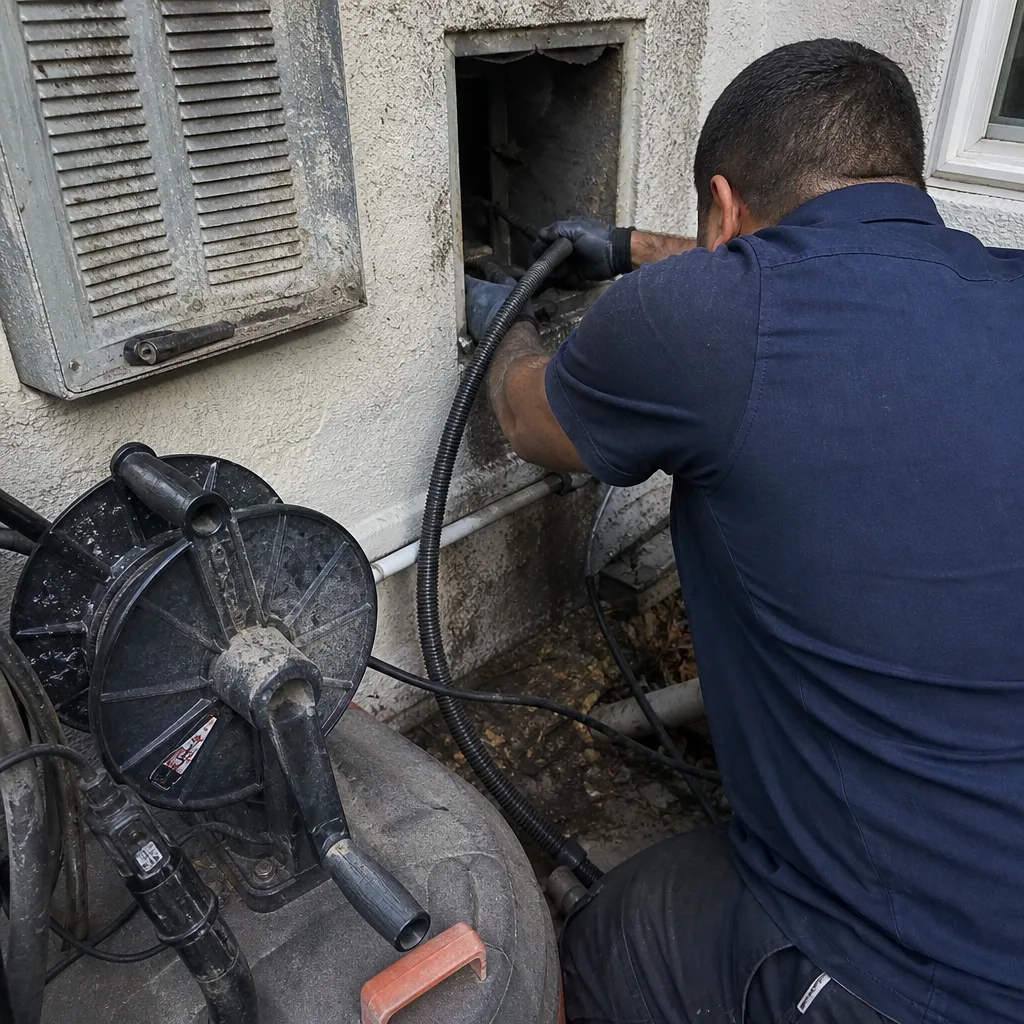
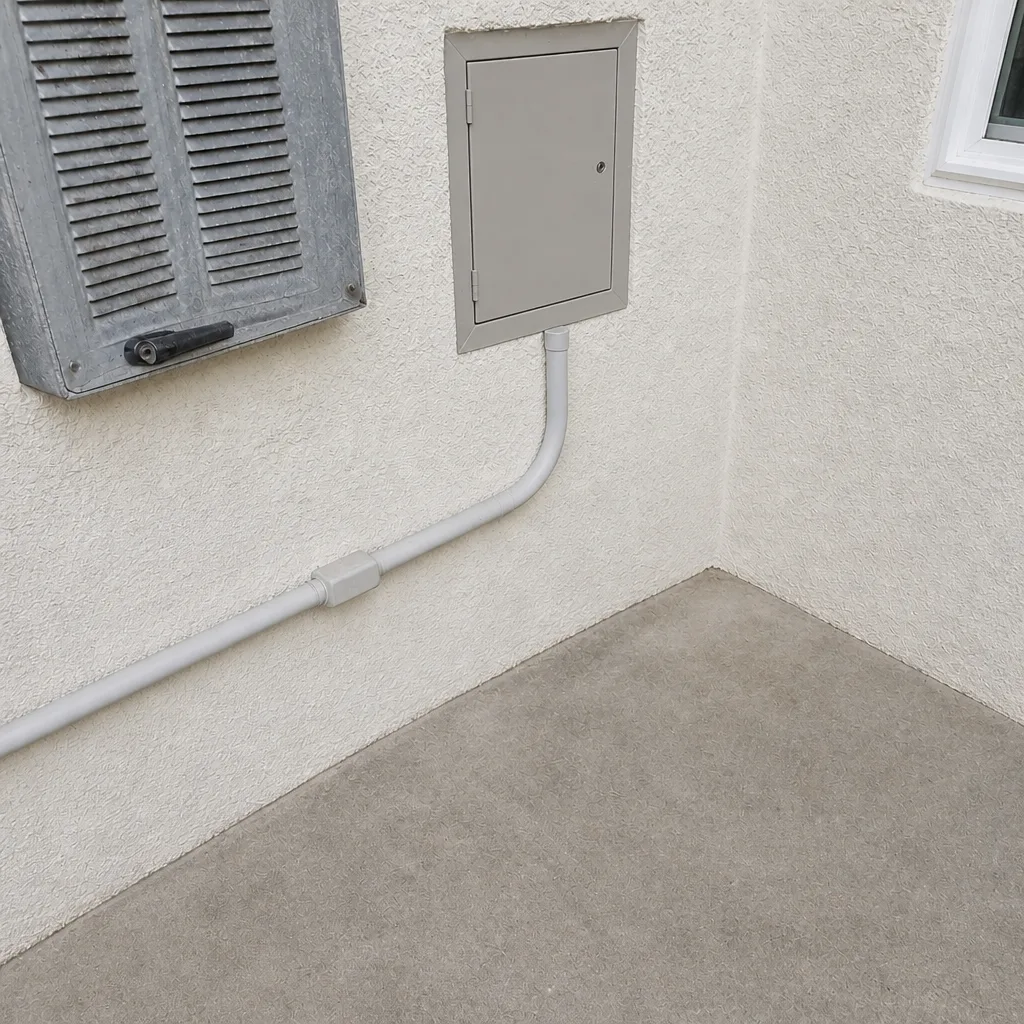
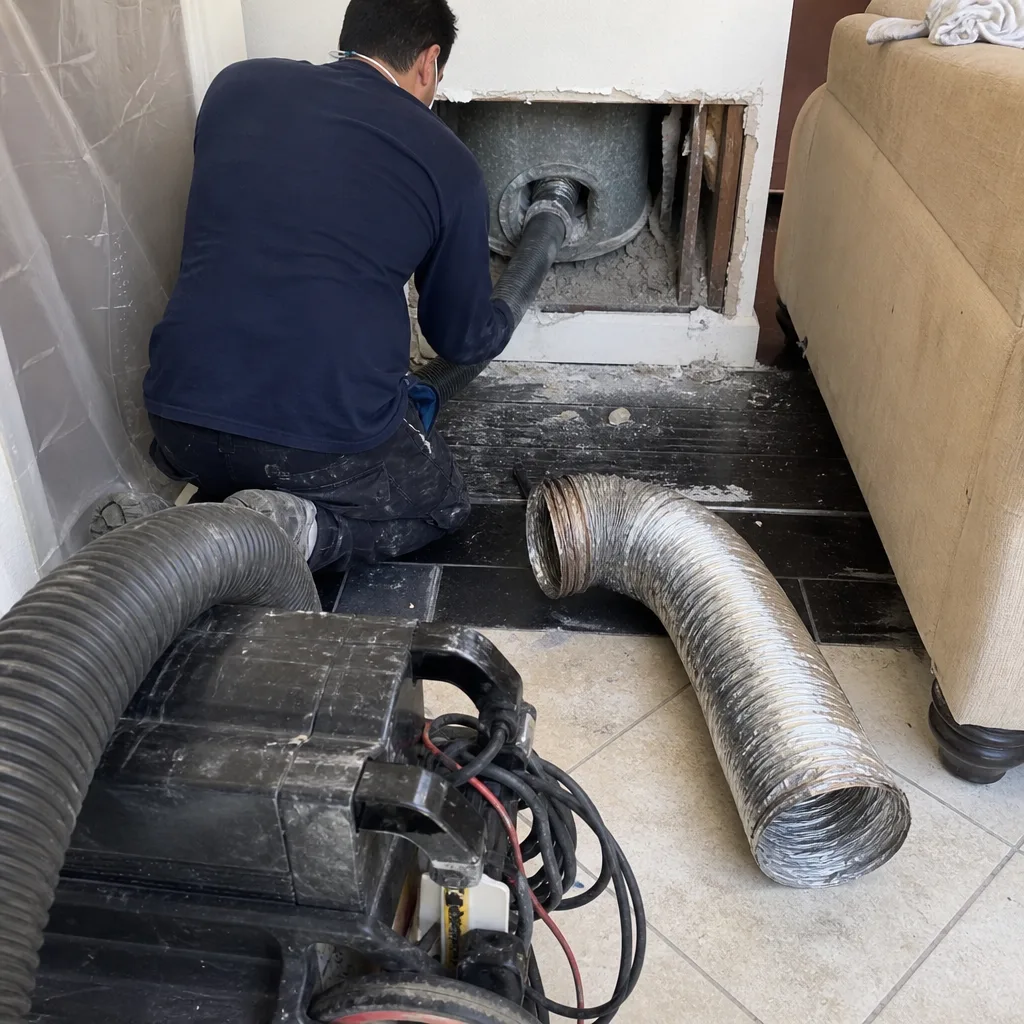
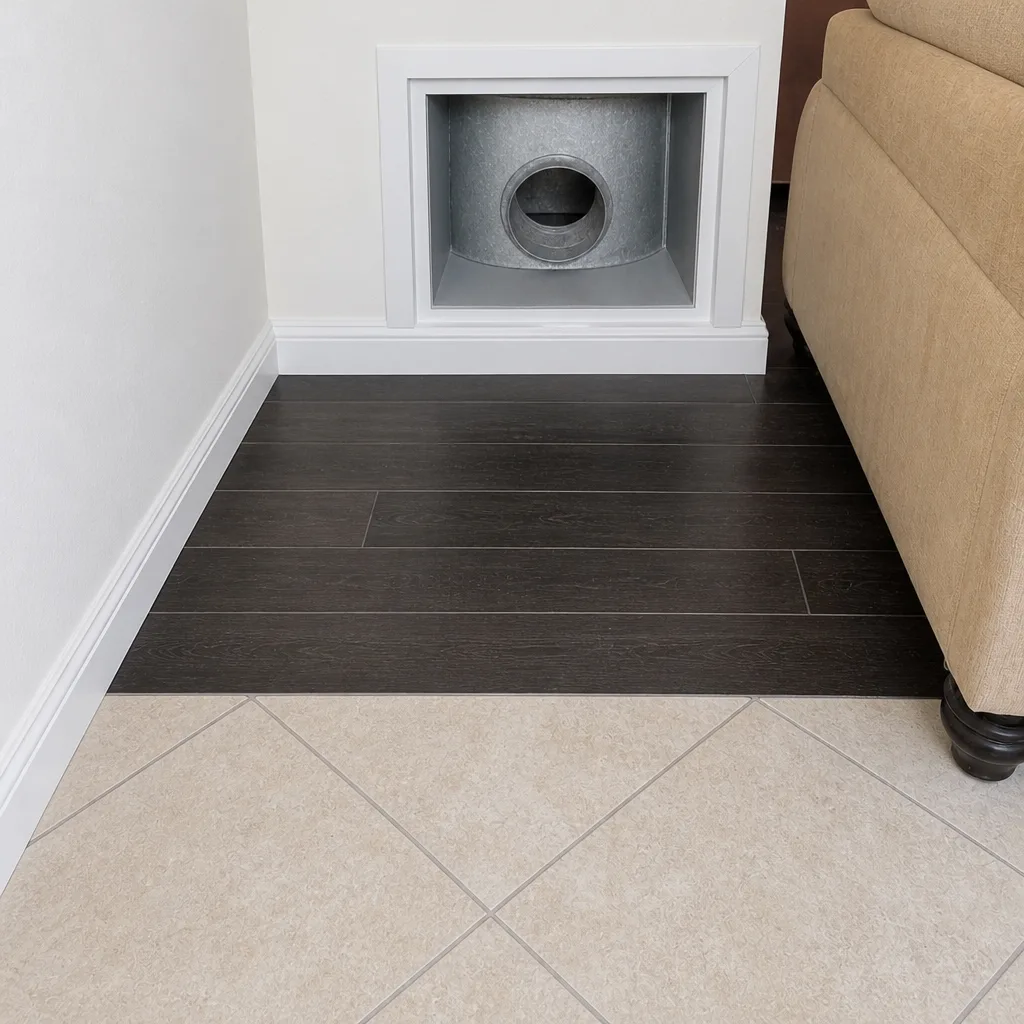
Whole-system duct and dryer vent check with before-and-after photos - you see exactly what came out of your vents
That "$99 whole-house special" is a bait ad - the real number appears once they are in your hallway, or the "clean" is a shop-vac at the register. We photograph the inside of your ducts before and after instead.
The Complete Guide to Air Duct Cleaning in Downtown Anaheim
Most air duct guides are written for climates with four seasons. Downtown Anaheim doesn’t have that. What it has instead is a contamination profile built from year-round resort construction fallout, wildfire ash that rides in on the Santa Ana winds, and a housing stock from the 1950s through the 1980s still moving air every day on ductwork that was never sealed to modern standards. National advice doesn’t account for any of that. This guide maps the full cleaning process to what actually happens here: how Downtown Anaheim’s boundary with a working resort district loads up ductwork, what equipment a real contractor brings, what “source removal” means versus the quick service calls sold around here, and how to verify the job was done.
Quick Answer
Professional air duct cleaning in Downtown Anaheim is a source-removal job, meaning the contractor physically dislodges and extracts debris under sustained negative pressure rather than blowing dust around the system. A legitimate job uses commercial-grade equipment rated for the duct volumes in mid-century tract homes, includes before-and-after documentation, and finishes with airflow measurement. If the technician can’t explain where the debris goes and how they’ll prove it left, it isn’t cleaning.
Styles & brands we work with
- Whole-home duct cleaning
- Dryer vent cleaning
- Camera inspection
- Sanitizing & deodorizing
Table of Contents
- Why Downtown Anaheim Ductwork Is Different
- What Source Removal Cleaning Actually Means
- The Equipment Every Legitimate Contractor Must Bring
- Blow-and-Go vs. Real Cleaning: How to Tell Them Apart
- When Cleaning Alone Isn’t Enough: Sealing and Lining
- How to Verify the Work Was Actually Done
- What Duct Cleaning Typically Costs in Downtown Anaheim
- How Often Ducts Really Need Cleaning Here
Why Downtown Anaheim Ductwork Is Different
Downtown Anaheim sits directly against a resort corridor that sees construction, renovation and heavy foot traffic in a near-continuous cycle. That boundary has a real effect on ambient particulate levels. Fine dust from concrete cutting, drywall sanding and equipment exhaust doesn’t stay inside a construction fence; it settles on rooftops and gets pulled into return-air intakes along with everything else in the air. Compared to a quiet suburban Orange County block with no construction calendar, Downtown Anaheim homes accumulate particulate faster, and their HVAC systems cycle it through the ductwork every time the fan runs.
Then there’s the wind. The Santa Ana wind cycles push dry, particulate-heavy air inland, and during wildfire season that air carries ash. A home that runs its system with windows closed during a wind event is filtering that air through whatever the return is pulling. Old filter, old ducts, no sealing: ash and fine debris settle in the plenum and branch runs and stay there.
The third factor is the housing itself. A large share of Downtown Anaheim’s residential stock went up between the 1950s and the 1980s, and duct sealing standards of that era were minimal by today’s measure. That means gaps at joints, disconnected sections in attics and crawlspaces, and return ducts pulling air from unconditioned space. Contaminants don’t just sit in these systems. They get drawn in through the leaks and circulate.
The Duct Loading Profile of a Downtown Anaheim Home
In our experience, the systems here tend to load up in a predictable pattern:
- Return plenum and main trunk: heaviest accumulation of fine dust and construction particulate, because that’s where all the return air converges.
- Branch runs to bedrooms and living areas: lighter but more evenly distributed dust, plus debris pulled through unsealed joints.
- Register boots and diffusers: visible dust accumulation, often the only part a homeowner can see and the part that matters least.
- Air handler and evaporator coil face: dust mat that restricts airflow and drives up energy use before the ducts themselves become the problem.
That’s the reason a surface wipe of the registers tells you almost nothing. The loading that matters is inside the trunk and the air handler, and it’s invisible from the room.
What Source Removal Cleaning Actually Means
Source removal is the standard the industry works from: the contractor physically dislodges accumulated debris from every interior surface of the duct system, then captures and extracts it so it leaves the building. The alternative, which is common and cheap, is agitation without capture. Someone runs a spinning brush or a compressed-air whip through the ducts with no serious negative pressure holding the debris, and it redistributes inside the system or blows into living space.
The full process on a Downtown Anaheim job typically runs in this sequence:
- Inspection first. Camera inspection of the trunk and branch runs before any equipment runs, so the contractor knows what they’re dealing with and where the heavy loading is.
- System isolation. The HVAC unit is shut down and air handler openings are sealed off so debris can’t migrate into the mechanical equipment.
- Negative pressure established. A commercial negative-pressure machine is connected, creating a sustained vacuum across the entire duct system so loosened debris moves toward the collection point rather than into rooms.
- Mechanical agitation of every run. Rotobrush and Nikro tooling is fed through each branch run and the main trunk, dislodging debris from the interior walls. Rotary brushes and air whips reach surfaces a vacuum alone can’t touch.
- Capture and removal. Debris travels through the negative-pressure machine’s HEPA filtration and is collected for disposal. Abatement Technologies filtration equipment is a real marker of capacity here, because it’s the same class of equipment used in abatement and restoration work.
- Register and diffuser cleaning. Supply and return registers removed, cleaned and reinstalled.
- Post-cleaning verification. Camera inspection again to document the result, plus airflow measurement at the registers to confirm the system is performing as expected.
“Clean it. Seal it. Upgrade it.” is the way to think about the full arc. Cleaning is where it starts, but a system with unsealed joints will re-contaminate, and one with a bad filter will too. That’s why the whole picture matters.
The Equipment Every Legitimate Contractor Must Bring
The equipment on the truck tells you almost everything you need to know about the work before it starts. Residential shortcuts show up fast: a shop vacuum, a leaf blower with a hose taped to it, a spinning brush attached to a drill with no negative pressure machine. None of that removes debris from a duct system, and some of it sends the debris into the living space.
What a contractor doing real source removal in Downtown Anaheim needs on site:
- A negative pressure machine sized for the system. Duct volumes in 1950s to 1980s tract homes vary widely. A small unit can’t hold vacuum across a full trunk and branch layout, so the debris gets stirred and resettled instead of extracted.
- Rotary brush and air whip tooling. Rotobrush and Nikro are the names that come up because they’re built for this work specifically. Rotobrush systems feed a rotating brush through each run with a vacuum attached; Nikro tooling does the same job through a different head geometry. Both reach surfaces that a wand or vacuum alone can’t.
- HEPA filtration. Abatement Technologies air filtration equipment is the standard on jobs where the contamination load is high: heavy allergen accumulation, visible mold presence, post-construction debris, fine particulate from ash or construction dust. Having that class of equipment in the kit signals the contractor can handle a seriously loaded system, not just a lightly soiled one.
- Camera inspection gear. Before-and-after footage of the customer’s own ducts is baseline documentation, not an upsell.
- Airflow measurement instruments. A manometer or anemometer to measure static pressure and register airflow before and after, so the result is measurable rather than claimed.
- Sanitizing application equipment. For Guardsman-grade sanitizing treatments after the cleaning step. Sanitizer applied before cleaning accomplishes nothing; applied after, it addresses the microbial load on a clean surface.
If a company shows up and can’t tell you what negative pressure machine they’re running or how they plan to measure the result, that’s your answer. Professional-grade equipment, not consumer shortcuts, is the whole point of hiring a specialist.
Blow-and-Go vs. Real Cleaning: How to Tell Them Apart
Blow-and-go service calls are widespread in this market, and they cost less for a reason. The standard version: a technician arrives with a shop vacuum or a low-powered blower, runs a brush through the visible registers for a few minutes, maybe vacuums the return, and leaves. No negative pressure. No camera inspection. No airflow measurement. The homeowner paid for something, but the ducts are largely as loaded as they were before, sometimes worse because the agitation moved debris from the trunk into the branch runs and living space.
The market for this is real because duct cleaning isn’t regulated uniformly and because a homeowner has no easy way to tell a real job from a bad one once the technician drives away. That’s the bait-and-switch reputation the industry has earned. The answer isn’t to find a slightly better coupon. It’s to insist on verifiable process and a price agreed before work starts.
Side-by-Side: What the Two Services Look Like
- Blow-and-go: no pre-inspection, no negative pressure machine or a small one, register wipe with a brush, no camera documentation, no airflow measurement, price quoted per vent or via teaser coupon, and a final invoice that can grow once the technician is on site.
- Source removal: pre-camera inspection, full negative pressure with HEPA filtration, Rotobrush or Nikro agitation of every run, capture and removal, register and diffuser cleaning, post-camera documentation, airflow measurement, one flat price per system agreed before work starts, and before-and-after photos of the customer’s own ducts.
The difference between the two shows up in what the contractor can show you after the job is done. If they can’t show you the inside of the ducts before and after, in photos or on camera, and can’t show you airflow numbers, the work is unverifiable. That single question separates the two categories faster than any other.
When Cleaning Alone Isn’t Enough: Sealing and Lining
Cleaning gets the system to a neutral baseline. It doesn’t keep it there if the ductwork is leaking. In Downtown Anaheim’s older housing stock, leaks are the norm: disconnected joints at branch takeoffs, gaps at plenum connections, sections of flex duct with tears, and return ducts pulling air from unconditioned attic or crawlspace space. A system like that re-contaminates after cleaning because outdoor and attic air gets pulled in through every gap every time the system runs.
This is where duct repair and sealing come in. Sealing closes the gaps at the joints and connections, so the system stops drawing dirty air from unconditioned space. Lining addresses damaged interior surfaces that can’t be sealed at the joints alone. The order matters: clean first, seal second, because sealing a loaded system just traps the debris inside it.
Signs your ducts likely need sealing alongside cleaning:
- Pressure imbalance between rooms the system should be heating or cooling evenly.
- Return air being pulled from an attic or crawlspace rather than the interior of the home.
- Visible gaps at joints or flex duct connections during inspection.
- Dust settling on horizontal surfaces faster than you’d expect after a cleaning.
The full sequence runs: clean the system, seal or repair the leaks, and then upgrade the filtration if the existing filter isn’t rated for the contamination it’s seeing. That’s where Aprilaire and Honeywell air quality integration comes into play: a specialist who handles cleaning and upgrades together can address the whole chain, filter to system to living space, instead of handing off to a second contractor who treats the filter as an afterthought. One call covers the whole system.
How to Verify the Work Was Actually Done
Verification is the part of the job that separates a specialist from a service call. You should be able to confirm three things after any duct cleaning in Downtown Anaheim: that the interior of the ducts is visibly cleaner, that the system is moving air at least as well as before, and that the debris was captured and removed rather than redistributed.
The verification steps to ask for:
- Before-and-after camera footage of your own ducts. Not a demo video, not stock footage. Yours, taken during the job.
- Airflow measurement at the registers. Static pressure or register velocity readings before cleaning and after. Numbers that show the system is performing to spec.
- Confirmation of negative pressure throughout. Ask how the machine was run and where the debris went. A clear answer means it was captured and removed.
- Debris collection evidence. The HEPA machine collects the material; ask to see it before disposal.
- Written scope of what was covered. Every branch, the trunk, the plenum, the registers, and the air handler. Anything left off the scope isn’t part of the job.
Doing the work without documentation is the single biggest shortcut in the trade. Our standard on every qualifying job is camera footage and airflow numbers on paper before we consider the job complete, because that’s the only way a homeowner can know the work was actually done.
What Duct Cleaning Typically Costs in Downtown Anaheim
Duct cleaning in Downtown Anaheim is priced per system, not per vent. The typical range for source-removal cleaning on a single-family home in the area sits around $400 to $800 for a standard system, with the upper end reflecting heavier loading or larger duct layouts; a more complex system or a home needing repair and sealing alongside cleaning runs higher. Those are estimated ranges, and the written estimate sets the final price. There is never a per-vent charge on a real job.
- Standard source-removal cleaning (single system): roughly $400 – $800
- Heavier contamination (post-construction, heavy allergen load, mold presence): priced per job based on scope, estimate required
- Duct repair and sealing: priced per job based on how much ductwork needs attention
- Sanitizing after cleaning: typically added to the cleaning price rather than priced separately, confirm on the estimate
- Air quality upgrades (filtration, humidity control, purification): quoted separately by product and installation
Two things worth stating plainly. First, one flat price per system, agreed before work starts, with no per-vent pricing and no teaser coupon that turns into a bigger invoice once the technician is on site. That’s the reason bait-and-switch has damaged this industry’s reputation, and it isn’t something a legitimate contractor needs to do. Second, you should have before-and-after photos of your own ducts and airflow numbers in hand before you pay. Any contractor who won’t provide them is telling you what kind of job it was.
Pricing on duct repair and sealing varies widely by scope. Camera inspection is what determines the scope, and that’s why we start every estimate with one.
How Often Ducts Really Need Cleaning Here
There isn’t a universal answer, but Downtown Anaheim conditions push toward more frequent cleaning than a quiet suburban neighborhood would need. A reasonable rule of thumb for a home in this area with the loading profile this guide describes is every three to five years on a typical system. Homes near active construction corridors, homes with pets or occupants with allergies, and homes that run the HVAC system heavily during Santa Ana wind events tend to need it closer to the three-year end.
Signs it’s time regardless of the calendar:
- Visible dust accumulation at supply registers reappearing within weeks of cleaning them.
- Noticeable dust settling on dark surfaces faster than usual.
- Increased allergy symptoms when the system is running.
- Musty or stale odor from vents when the fan comes on.
- Recent renovation, remodeling or major construction near the property.
- Airflow that feels weaker than it used to at certain registers.
One thing to plan for: dryer vent cleaning is a separate schedule entirely and a fire-hazard concern most duct cleaners treat as an afterthought. A dryer vent clogged with lint restricts airflow and raises lint temperature; that’s a real risk, not a maintenance nicety. If your dryer is taking longer than it used to finish a load, that’s the signal to schedule it now rather than waiting for a duct cleaning cycle.
Common Mistakes to Avoid
- Judging the whole job by what you can see at the registers. The registers are the easiest part to clean and the least meaningful. The trunk, plenum and air handler are where the loading lives, and they’re invisible without a camera.
- Hiring on price alone. The cheapest quote in Downtown Anaheim is almost always a blow-and-go job with no negative pressure, no camera, no documentation. The gap in price reflects a gap in work, not a better deal.
- Accepting a per-vent price or a teaser coupon. Per-vent pricing exists to make the base number look small, and teaser coupons exist to get a technician inside the door before the real number appears. Insist on one flat price per system agreed before work starts.
- Skipping the sealing step. Cleaning a leaking system in an older Downtown Anaheim home gets the ducts to a baseline and then recontaminates them within a year or two. Seal after cleaning, not before.
- Sanitizing a system that hasn’t been cleaned first. Sanitizer applied over contaminated duct walls does very little; applied after source-removal cleaning to a clean surface, with a Guardsman-grade product, it has a chance to work.
- Skipping the air handler. Duct cleaning that doesn’t address the air handler and evaporator coil face leaves the biggest dust mat in the system in place. The ducts are downstream of the problem.
- No post-cleaning verification. If the contractor can’t provide camera footage of your own ducts and airflow measurements after the job, there’s no evidence the work happened. Make it part of the agreement before you book.
See the difference
 Before
 After
 Before
 After
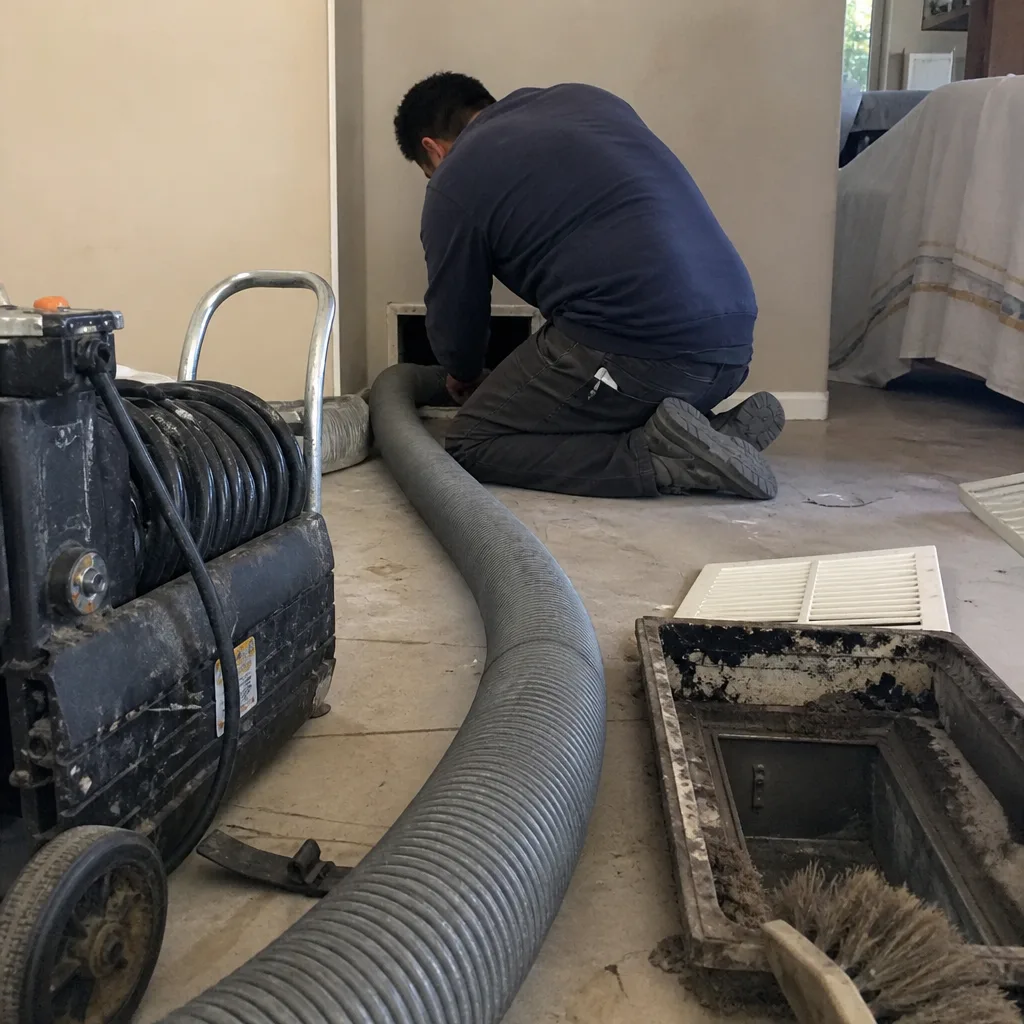 Before
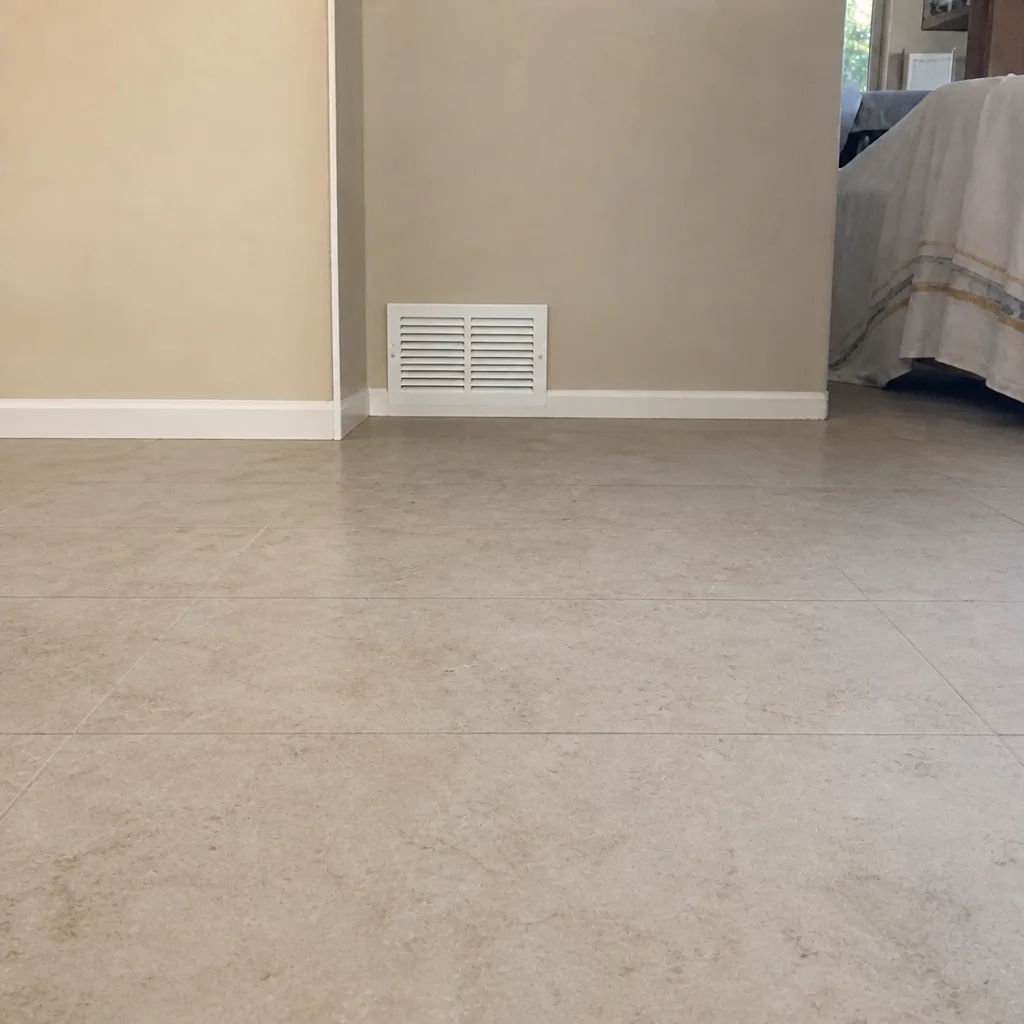 After
When to Call a Professional
Some conditions warrant scheduling a cleaning rather than waiting for the calendar. Call when dust is visibly reappearing at registers within weeks, when there’s a persistent musty odor from the vents, when an occupant with allergies or asthma is having symptoms that correlate with HVAC use, or when recent construction has left visible particulate in the return. Call when the system has never been cleaned in a home you’ve just moved into, since the history is unknown and the loading may be heavy. Call before any planned renovation, so post-construction debris doesn’t have to be cleaned out later at a higher cost.
The safety line matters here. Ductwork itself is not a hazardous component, but the electrical components of the air handler and the refrigerant lines are, and so is gas equipment in the path of any work. Any inspection or repair that touches electrical panels, gas lines or the refrigerant system requires a trained professional; that’s not a job to open up on your own. The same goes for mold presence in a system: visible mold means the contamination class changes, and a specialist with Abatement Technologies filtration capacity handles it very differently from a routine cleaning.
Air Duct Cleaning Downtown Anaheim offers free estimates in Downtown Anaheim. One call covers the whole system: cleaning, dryer vent, HVAC work, repair and sealing, sanitizing and air quality upgrades. Call (855) 337-1674.
Frequently Asked Questions
Most single-system source-removal jobs in Downtown Anaheim land in the $400 to $800 range as an estimate, with the top of that range reflecting heavier loading or larger duct layouts, and heavier contamination or duct sealing priced higher by scope. The written estimate sets the final price, and any real job prices per system rather than per vent. Call (855) 337-1674 for an exact quote; estimates are free.
Cheaper quotes are almost always a blow-and-go service call: no negative pressure machine, no camera inspection, no airflow measurement, and no before-and-after documentation. The price is lower because the work is lower. If the quote is dramatically cheaper than the range above, ask what equipment the technician is bringing and whether you’ll get camera documentation and airflow numbers after the job. Call (855) 337-1674 for a quote that reflects what the work actually is.
You should be able to see before-and-after camera footage of your own ducts, an airflow measurement at the registers, and the debris the negative-pressure machine collected, all before the contractor packs up. If any of those are missing, the job isn’t verifiable, and you shouldn’t pay for it as though it was. Call (855) 337-1674 with questions before booking; no charge for the estimate.
For a typical home in this area, every three to five years is a reasonable interval, with homes near active construction corridors, homes with pets, and homes with occupants who have allergies or asthma generally needing it on the shorter end. Santa Ana wind events and the particulate loading from the resort district push the frequency up compared to quieter Orange County neighborhoods. Call (855) 337-1674 for a free inspection and a scope.
Often yes in older Downtown Anaheim homes, because the ductwork was installed before modern sealing standards and leaks at joints and flex duct connections are the norm. A system that isn’t sealed recontaminates after cleaning, so sealing is the step that makes the cleaning last. The camera inspection during the estimate determines whether sealing is needed. Call (855) 337-1674 to schedule an inspection and get a written scope.
Yes, and mold presence changes the category of the job. It moves from routine cleaning to a contaminated-system scope that requires HEPA filtration equipment rated for abatement work, negative pressure held continuously, and post-cleaning sanitizing with a Guardsman-grade product. If you suspect mold from odor or visible growth around registers or the air handler, that’s a specialist job rather than a routine cleaning. Call (855) 337-1674 to schedule an inspection; estimates are free.
The Bottom Line
Duct cleaning in Downtown Anaheim is a source-removal job done with commercial equipment under sustained negative pressure, documented with camera footage and airflow measurement, and priced as one flat price per system agreed before work starts. The conditions here make frequency matter: resort-district construction fallout, Santa Ana wind particulate and ash, and pre-1990s ductwork that wasn’t sealed to modern standards all push loading rates above what a generic national guide assumes. Cleaning gets the system to baseline. Sealing and filtration upgrades hold it there. If a contractor can’t explain the process, show you the equipment, and document the result, find one who can.
Written by the team at Air Duct Cleaning Downtown Anaheim.
Ready for a real inspection? Air Duct Cleaning Downtown Anaheim provides free estimates throughout Downtown Anaheim and handles the full system: air duct cleaning, HVAC cleaning, dryer vent cleaning, duct repair and sealing, and air quality upgrades with Aprilaire and Honeywell products. Call (855) 337-1674. We answer 24/7. Fast dispatch from 7am to 7pm, Sunday through Friday.