
Last updated November 24, 2026
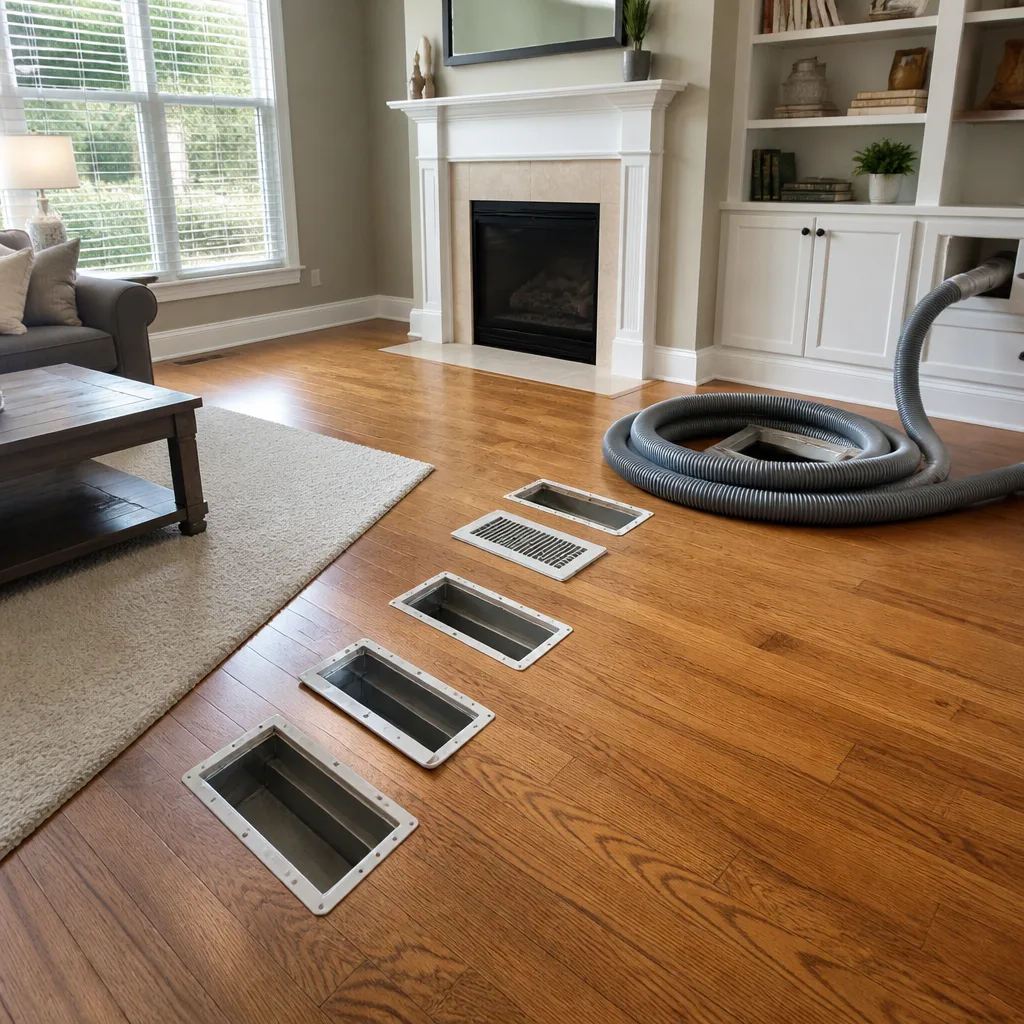 Whole-home duct cleaning
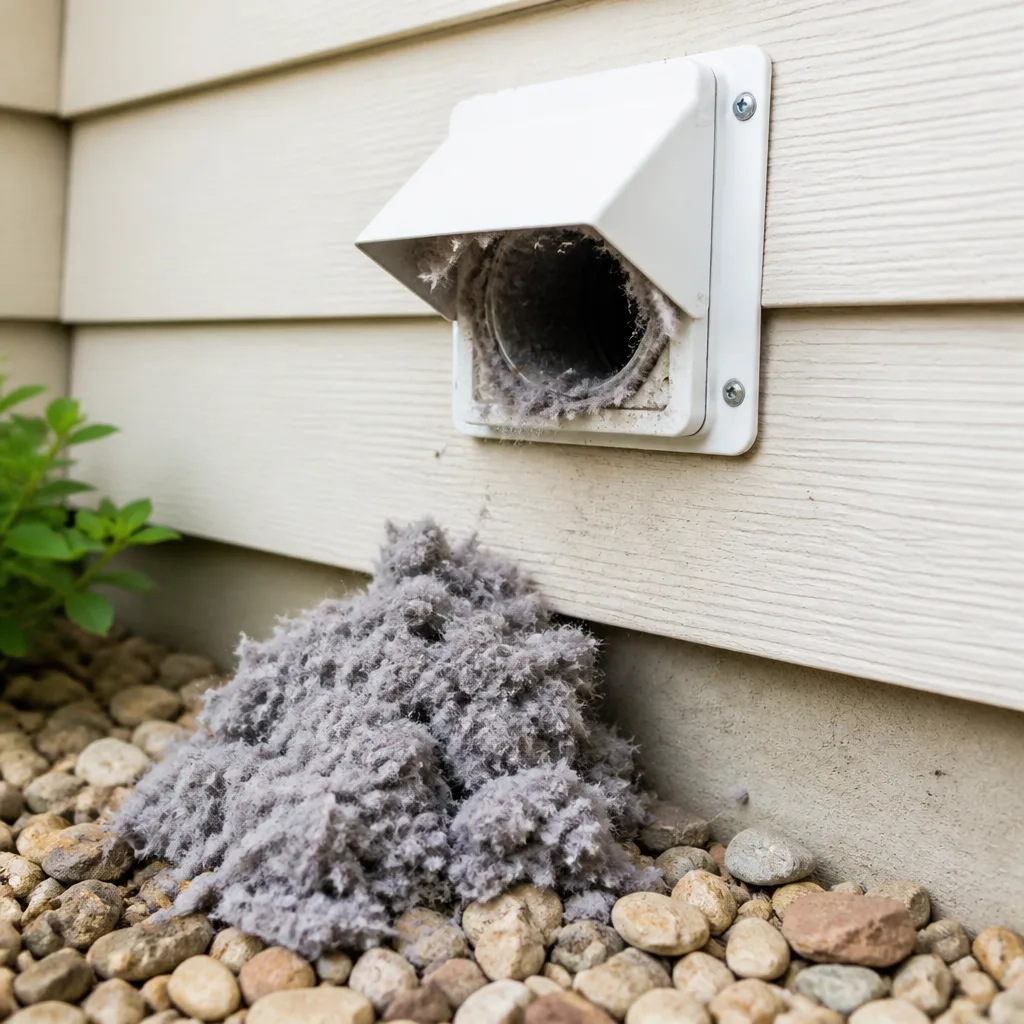 Dryer vent cleaning
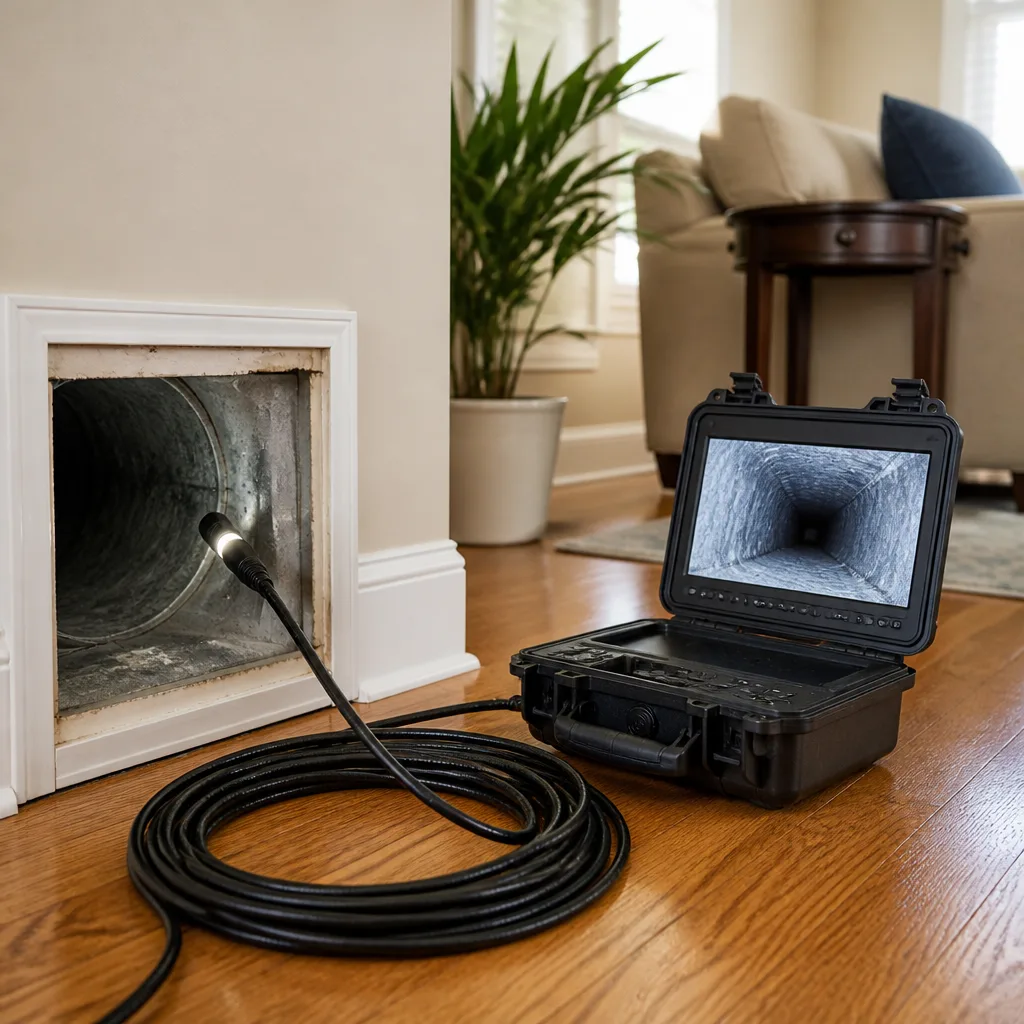 Camera inspection
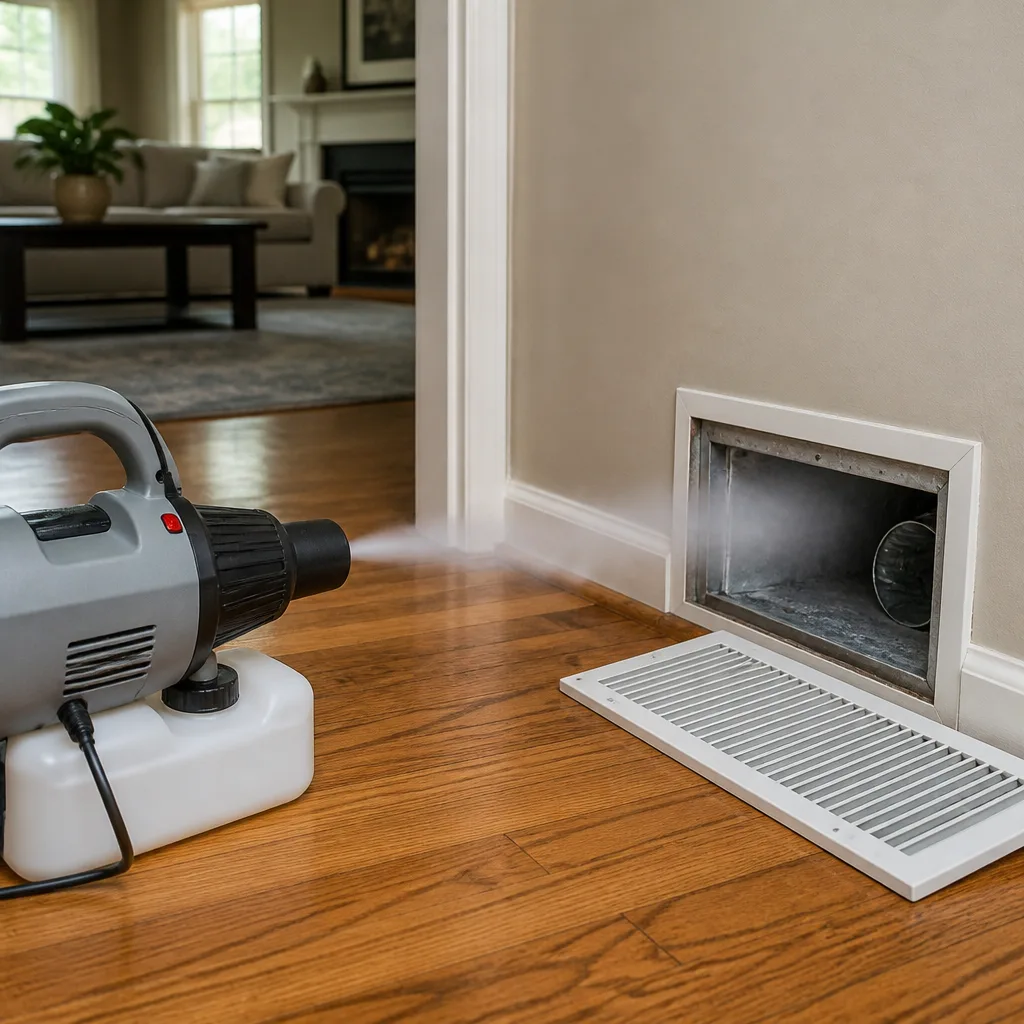 Sanitizing & deodorizing
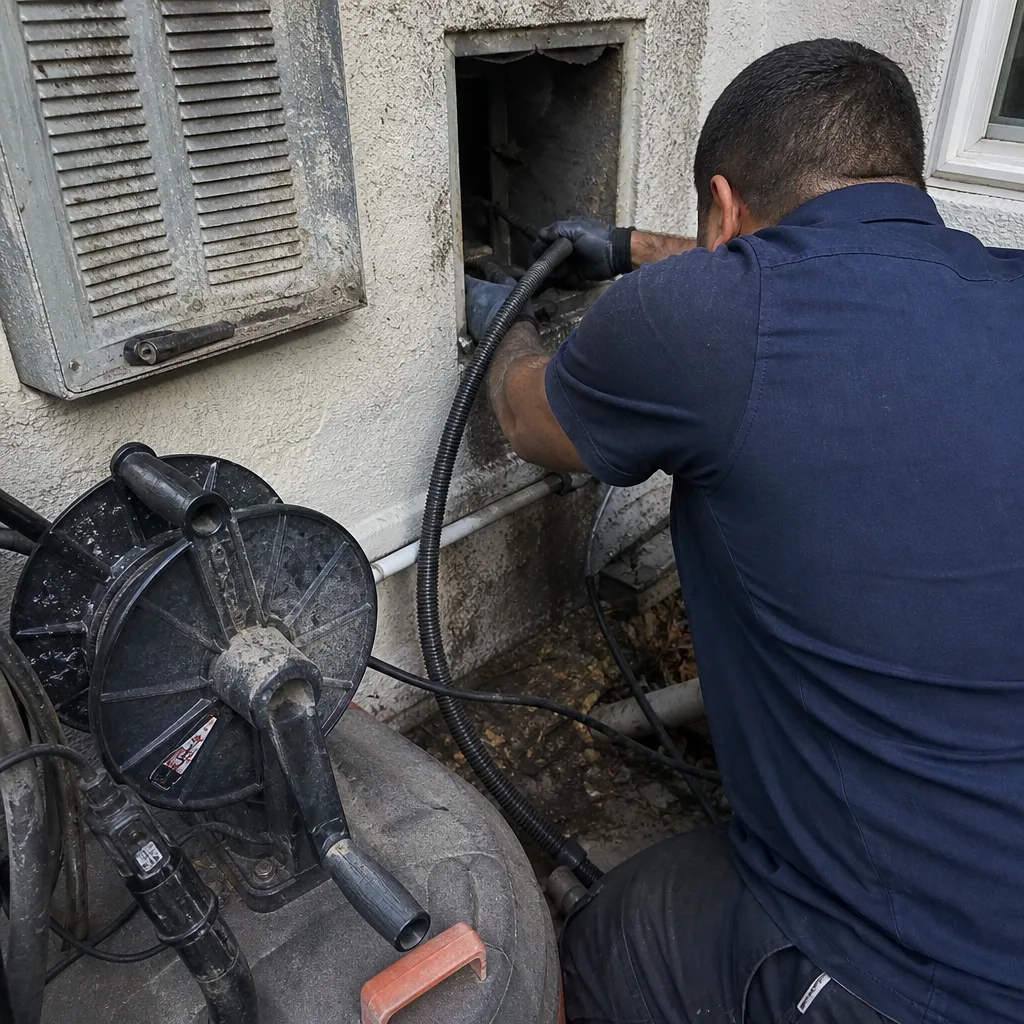
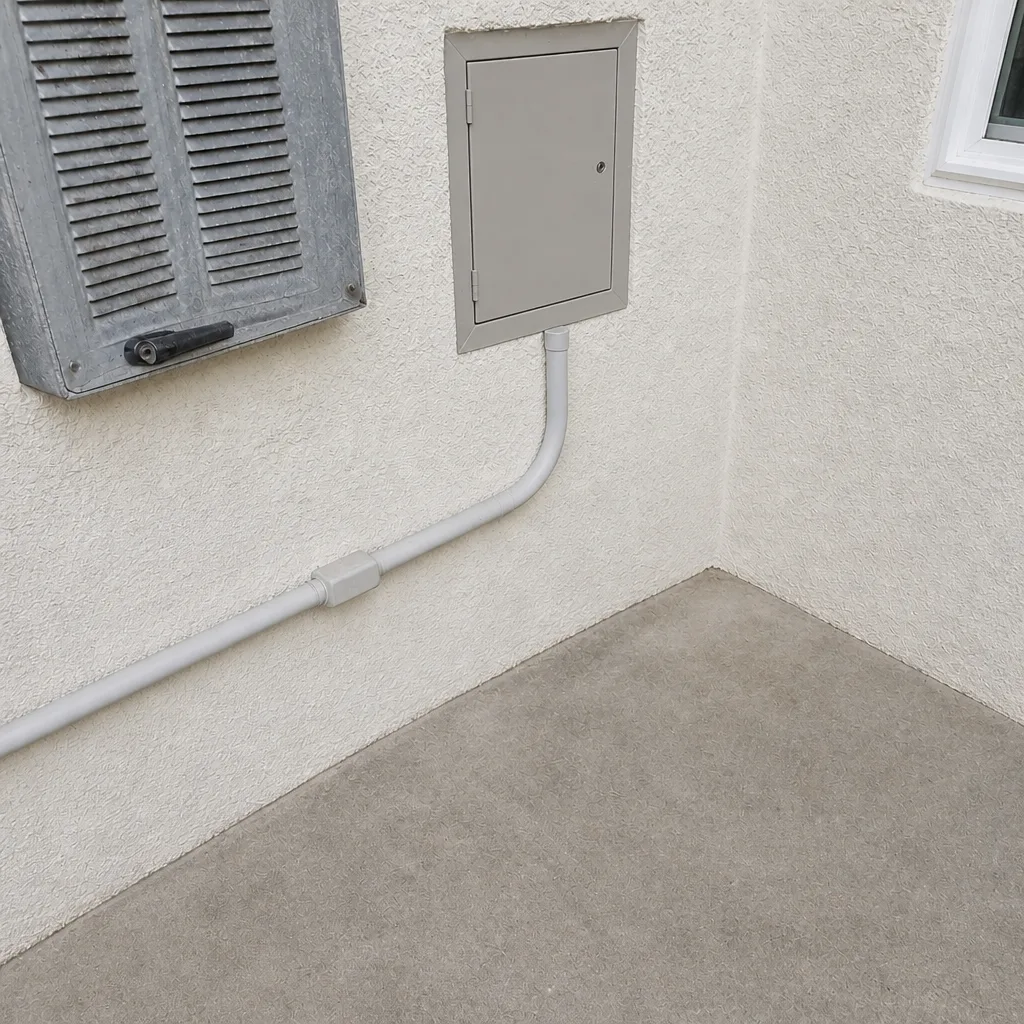
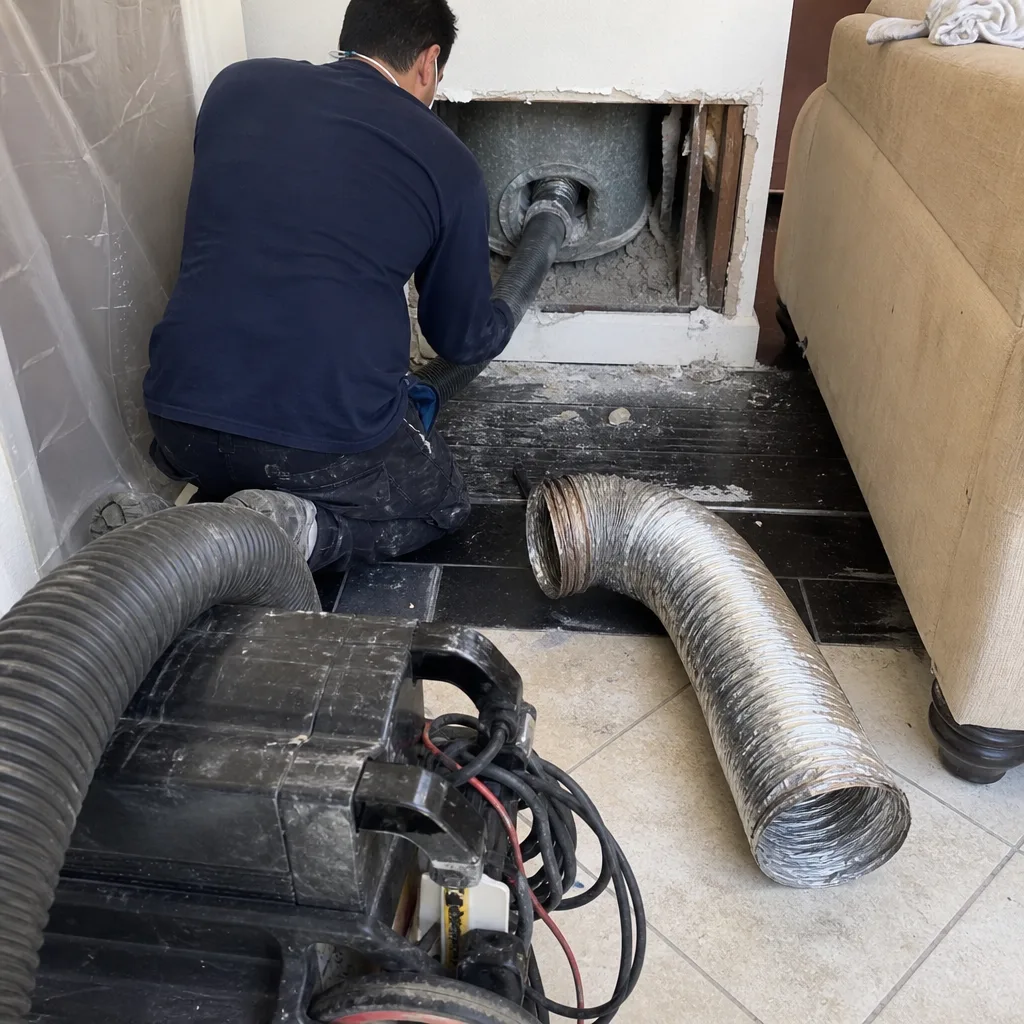
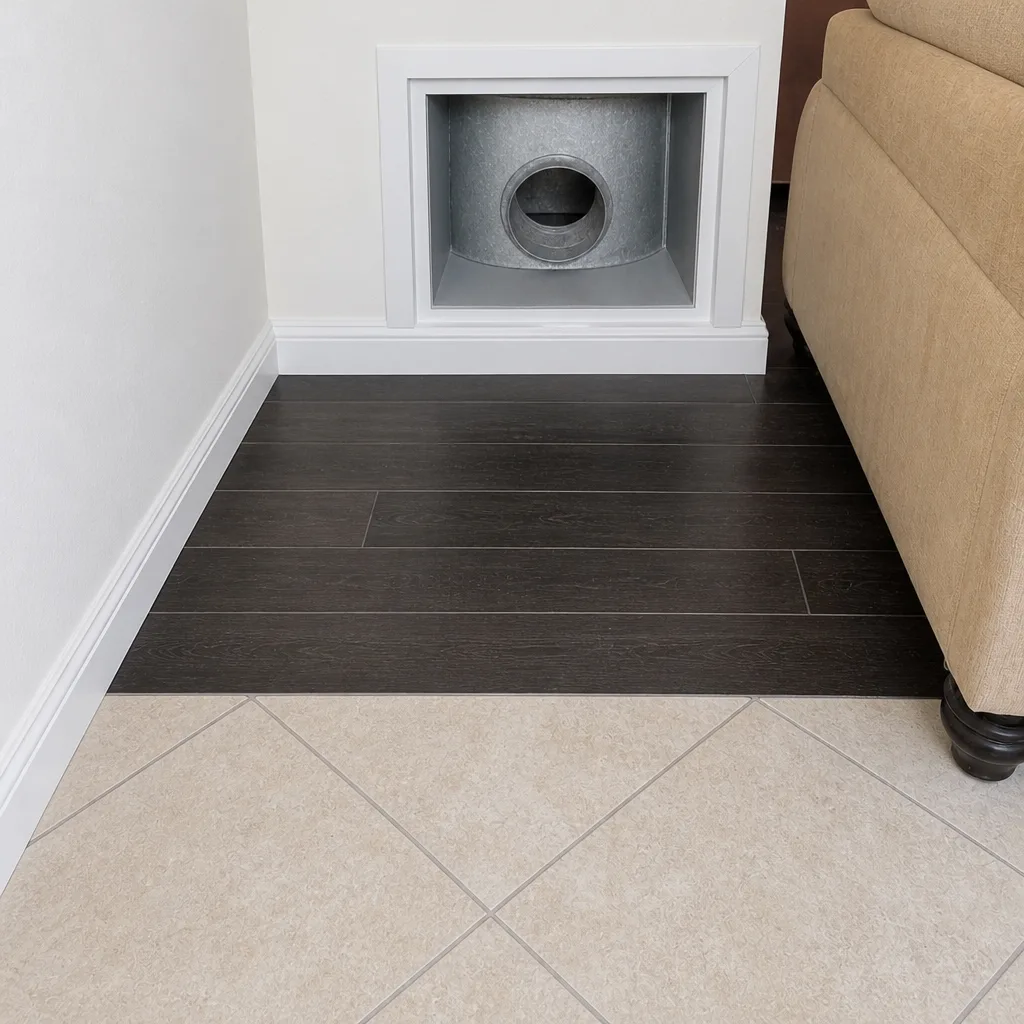
Whole-system duct and dryer vent check with before-and-after photos - you see exactly what came out of your vents
That "$99 whole-house special" is a bait ad - the real number appears once they are in your hallway, or the "clean" is a shop-vac at the register. We photograph the inside of your ducts before and after instead.
Air Duct Cleaning Warning Signs: A Downtown Anaheim Homeowner’s Reference Guide
Most homeowners picture duct problems as something dramatic: a cloud of dust puffing out of a register when the heat kicks on. That picture is backwards. By the time you can see dust blowing into a room, debris has already been moving through the system for months. The signals that actually matter come earlier and quieter – a filter that clogs faster than it used to, a bedroom that never quite catches up to the rest of the house, a smell you only notice during the first minute the system runs in the morning. In this guide, we walk through the early warning signs a Downtown Anaheim homeowner can actually observe, explain what each one is telling you about the duct network, and show how to tell a routine cleaning from a job that needs deeper remediation.
Quick Answer
The earliest warning signs of a duct system that needs professional attention are not visible dust. They are a filter that loads up faster than it used to, uneven temperatures between rooms that get worse over time, and a faint musty or dusty smell in the first minutes after the system starts. Catching these early usually means a cleaning; ignoring them usually means a bigger remediation and possibly duct repair.
Styles & brands we work with
- Whole-home duct cleaning
- Dryer vent cleaning
- Camera inspection
- Sanitizing & deodorizing
Table of Contents
- Filter Loading Rate: The Early-Warning Metric Most Homeowners Ignore
- Uneven Room Temperatures: Blockage or Equipment Sizing?
- Smell Diagnostics: Dusty, Musty, or Chemical
- Visual Register Inspection: Normal Dust vs. Active Contamination
- Post-Wildfire Smoke in Downtown Anaheim Duct Liners
- What Professional Duct Cleaning Actually Involves
- Common Mistakes to Avoid
- When to Call a Professional
Filter Loading Rate: The Early-Warning Metric Most Homeowners Ignore
Your filter is a diagnostic tool, and almost nobody treats it that way. A filter that used to last three months and now looks gray and matted after five or six weeks is telling you something is different upstream. That “upstream” is your return ducts, and when they’re collecting debris, they send more of it to the filter than the filter was designed to handle.
Here’s how to track it in a way that actually gives you information instead of a vague feeling:
- Write the install date directly on the filter frame with a marker every time you change it.
- Note the date you change it again, and do the same for the next two changes.
- Compare the intervals. A steady two or three months is normal. A pattern where each interval is shorter than the last is a signal.
- Look at the filter itself when you pull it. Even gray coating is normal dust. Patchy dark streaks, clumps, or visible fibers are telling you debris is arriving in volume.
What acceleration means is simple. Your return ducts are wider and slower-moving than your supply ducts, so they collect settled debris over time. Once that debris reaches a certain depth, normal airflow starts lifting it back into circulation, and the filter takes the hit. In Downtown Anaheim’s older housing stock – much of it built in the mid-twentieth century with ductwork that has been retrofitted, extended, or rerouted at least once – return runs are often the weakest link.
Filter loading rate is also the first thing we ask about when a homeowner calls. It’s cheap to measure, it’s repeatable, and it maps directly to what’s happening inside the ducts. If the interval has shortened noticeably over two or three changes, you have a real signal, not a suspicion.
Uneven Room Temperatures: Blockage or Equipment Sizing?
Every house has one room that runs warmer or cooler than the others. The question is whether it has always been that way or has drifted over time. That distinction separates an equipment sizing issue from a duct problem, and getting it wrong wastes money on the wrong fix.
Here’s the simple test. Think back to the first year or two you lived in the home. If the back bedroom was always a few degrees off, your system likely has a sizing or balancing issue – the duct run to that room may be undersized for the load, or the register may be poorly positioned. A duct cleaning won’t fix that. Proper balancing or a duct repair might.
If the room used to be fine and has slowly gotten worse, that’s a different story. Gradual decline points to partial blockage or a developing leak in the supply run serving that room. The most common culprits are:
- Debris accumulation at a bend or transition in the supply duct, which throttles airflow the way a kink throttles a hose.
- A disconnected or crushed flexible duct section hidden above a ceiling or behind a wall – common in older Downtown Anaheim homes where ducts were added or rerouted during past remodels.
- Leaky duct joints at the register boot or a plenum connection, which bleed conditioned air into unconditioned space before it ever reaches the room.
- A partially closed or obstructed balancing damper that was set correctly once and never checked again.
One more tell: listen. A supply register that whistles or hisses more than it did a year ago is working harder to push the same air, which points to a restriction behind it. A room that’s warm in cooling season and cold in heating season, consistently worse than the rest of the house, is a supply-side problem, not a thermostat problem. Downtown Anaheim homes in the Colony District and along the older residential streets near the Packing House tend to show this pattern in second-floor rooms first, where runs are longest and bends are most numerous.
Smell Diagnostics: Dusty, Musty, or Chemical
The nose is a better diagnostic instrument than most homeowners realize, but only if you distinguish between the three general categories of smell. Each points to a different problem with a different solution.
Dusty, dry, “hot” smell
This is the smell when the system first starts, especially in heating season. It’s the classic burnt-dust odor that fades after a few minutes. That’s debris settling on the heat exchanger or sitting in the duct run and getting warmed up. In mild amounts it’s cosmetic. When it gets stronger over weeks and stops fading, the debris layer is thick enough that it’s holding heat and moving around. That’s a duct cleaning signal.
Musty or damp smell
Musty means moisture, and moisture means biological growth. In a mild, dry climate like Anaheim’s, moisture in ducts usually comes from one of a few places: a condensate drain that’s not draining properly, a cooling coil that stays wet, high indoor humidity from poor ventilation, or a duct run that passes through a damp crawlspace or wall cavity. Musty smell is the one category where you don’t wait. It’s the difference between cleaning and remediation, and remediation is a different job with different equipment – which is why we run Abatement Technologies filtration on jobs that involve allergen loads, mold presence, or fine-particle removal.
Chemical or sharp smell
A sharp, chemical, or vaguely plasticky smell is one of the harder ones to diagnose from the couch. It can mean duct liner material is breaking down and off-gassing – common in systems old enough that the interior insulation has lost its binders. It can also point to pest activity in a duct run. Neither is a cleaning-only fix. A duct repair or liner replacement is typically needed.
The key habit is to note when the smell appears. First minute after startup only = debris. Persistent all day = moisture or material problem. Intermittent and linked to specific weather or rooms = leaks or a localized issue worth tracking down.
Visual Register Inspection: Normal Dust vs. Active Contamination
Pulling a register cover takes a screwdriver and a minute. What you see inside tells you more than the room-side dust ever will.
Normal accumulation looks like an even, thin gray film on the register vanes and the visible duct interior just behind the grille. You can wipe a finger through it and get a light gray smear. That’s the everyday dust load from a functioning system, and it’s not a problem.
Active contamination looks different in specific, recognizable ways:
- Dark, patchy buildup rather than even film, especially where the duct meets the register boot. Patchy means the airflow is depositing debris in particular spots, not just passing over a surface.
- Visible fibers or clumps – not dust, but material. Fibers point to degrading duct liner or insulation, and clumps point to real debris accumulation.
- Dark staining inside the duct walls you can see with a flashlight, distinct from surface dust. Staining that has soaked in usually means smoke or fine particulates have been carried through and deposited.
- A hollow or rough sound when you tap a flexible duct section, or visible crushing where it passes a joist. A crushed duct may look fine from the register but can’t deliver proper airflow.
- Condensation or water staining around the register boot, which points to the moisture source behind any musty smell.
Check the returns first. Return registers pull air in, so they collect debris faster than supply registers push it out. A Downtown Anaheim home with visible dark buildup in a return grille is showing you the duct system’s real condition faster than anything else you can inspect.
Post-Wildfire Smoke in Downtown Anaheim Duct Liners
Smoke events in Southern California leave a signature in duct systems that’s easy to misread. Surface soot on a register or a filter doesn’t tell you much. The question is whether smoke has penetrated the liner material itself, and the difference between surface soot and liner penetration matters for what comes next.
Smoke carries fine particulates and volatile compounds. When it’s pulled through a return duct during a heavy smoke day, the fine particles settle on surfaces, and the volatile compounds can adsorb into porous materials – duct liner being the most common. Surface soot washes or vacuums off. Adsorbed compounds in liner material don’t. They release slowly, which is why a smoke smell can return weeks or months after the event itself.
What to watch for after a significant smoke event:
- Smell that comes back. If the smoky or acrid smell faded and then returned, that’s consistent with liner penetration rather than surface resident soot.
- Smell concentrated in specific rooms. Localized smell suggests the liner in a specific run took the load, which is exactly when a targeted inspection is useful.
- Fresh filter that loads with dark material quickly. A filter going dark within days of a smoke event is pulling fine particulates, not normal dust.
- Visible staining inside the returns that doesn’t wipe away – the difference between film and penetration.
Liner replacement is the right answer when the material itself has taken on the contamination; cleaning alone won’t do it. On jobs that involve fine-particle loads and smoke residue, we use Abatement Technologies filtration because it’s the same class of equipment that abatement and restoration contractors rely on. Some cases also call for liner replacement or duct repair alongside the cleaning.
What Professional Duct Cleaning Actually Involves
The difference between a proper cleaning and a surface pass comes down to equipment and process. We use Rotobrush and Nikro systems on every job – purpose-built duct cleaning equipment, not repurposed shop vacuums. The distinction matters because consumer and generalist-HVAC gear can’t reach the far ends of a duct run, doesn’t agitate surfaces consistently, and often loses containment, which spreads the problem instead of removing it.
Here’s the general workflow on a typical Downtown Anaheim home:
- Inspection and mapping. Identify every supply and return, note the duct type (rigid, flexible, or a mix), and locate any known damage or gaps.
- Containment. Seal registers and connect the vacuum to the main trunk line so debris goes into the collection unit, not into your rooms.
- Mechanical agitation. Rotobrush and Nikro tools work each run, loosening debris from walls, bends, and register boots – the places simple vacuum won’t reach.
- Airflow and pressure management. Abatement Technologies filtration moves the fine particles that standard vacuums leave behind.
- Sanitizing. Guardsman-grade sanitizing treatment applied after cleaning, to address microbial growth and residual odor.
- Repair and sealing where needed. Any disconnected joints, crushed sections, or leaky seams get sealed, so the contamination doesn’t just come back.
- Documentation. Before-and-after photos of the runs, so you can see what came out.
One thing this workflow implies: cleaning, repair, and air quality work are one continuous job on a Downtown Anaheim system, not three separate contractor visits. We do all five of our services under one provider – air duct cleaning, dryer vent cleaning, HVAC cleaning, duct repair and sealing, and air quality and sanitizing – which means the same team handles the whole system rather than handing your home to a different contractor for each piece. Aprilaire and Honeywell components get brought in when a whole-home filtration or humidity upgrade is the right move after cleaning. Along the way, our technicians have up to 13 years of experience reading these signs on Anaheim systems in particular.
Common Mistakes to Avoid
- Assuming a filter change fixes the problem. A new filter will look clean for a while and then load fast again – that pattern is telling you the ducts are the source, not the filter.
- Calling any generalist HVAC company that offers duct cleaning as an add-on. Equipment and process matter more than price in this category. Ask what actually goes inside the ducts before you book, because a truck-mounted shop vac and a line of flexible hose is not the same job as Rotobrush and Nikro powered agitation.
- Ignoring musty smell while waiting to see if it resolves. Moisture in a duct system gets worse, not better. In a mild, dry climate like Anaheim’s, a persistent musty smell is telling you the moisture source is active – and a cleaning without fixing that source is wasted.
- Assuming a smoke smell will just fade. In Downtown Anaheim, after a regional wildfire event, smell that comes back after the smoke clears is a sign of liner penetration. Cleaning alone may not resolve it.
- Letting a small duct leak slide. A disconnected joint in a wall cavity is leaking conditioned air into unconditioned space, and it’s also pulling unfiltered air in. That’s the root cause of efficiency loss and re-contamination.
- Treating dryer vent cleaning as an optional add-on. Lint accumulation in a dryer vent is a fire-hazard issue, and it’s one of the five services we handle for exactly that reason. In Downtown Anaheim’s older homes, vent runs that were extended or routed through tight wall cavities are the ones that need checking most.
- Choosing a quote based on the lowest number alone. A very low quote usually signals only part of the system gets addressed, or the equipment isn’t up to the job. A whole-system cleaning with documented before-and-after photos is a different job at a different price.
When to Call a Professional
Call a professional when any of these hold: your filter changes have shortened noticeably over the last two or three changes; a room that used to be comfortable has gotten consistently off; a smell – dusty, musty, or sharp – has been persistent for weeks; you can see dark patchy buildup inside a return duct; you’ve been through a significant regional smoke event and the smell keeps coming back; or you’ve recently done a remodel and there’s drywall dust in the system.
One caution worth stating plainly: a duct system isn’t safe to get into yourself beyond inspecting registers. Flexible duct can be crushed, seams can be opened, and containment is hard to maintain without proper equipment. The inspection is where homeowner effort pays off; the cleaning is a job for a specialist with the right gear. Air Duct Cleaning Downtown Anaheim offers free estimates in Downtown Anaheim. Call (855) 337-1674. We answer 24/7. Fast dispatch from 7am to 7pm, Sunday through Friday.
See the difference
 Before
 After
 Before
 After
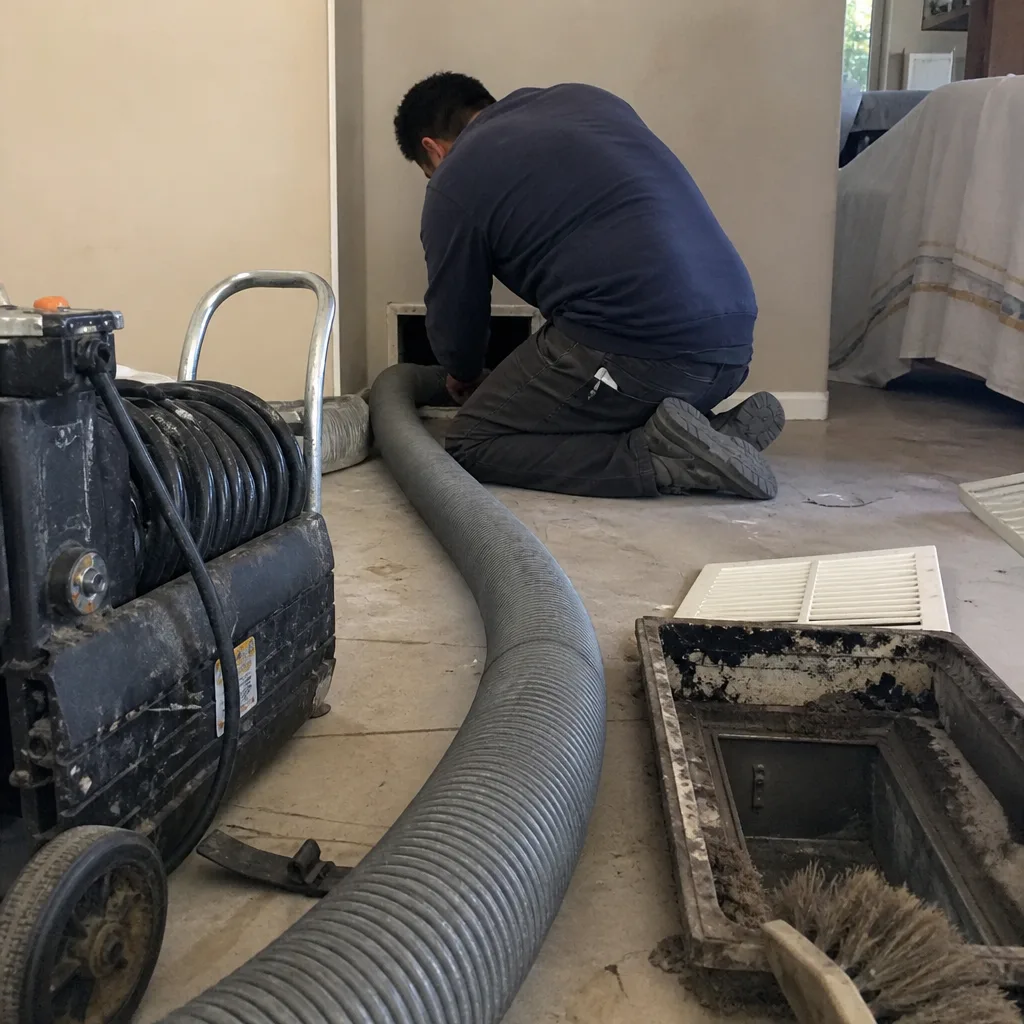 Before
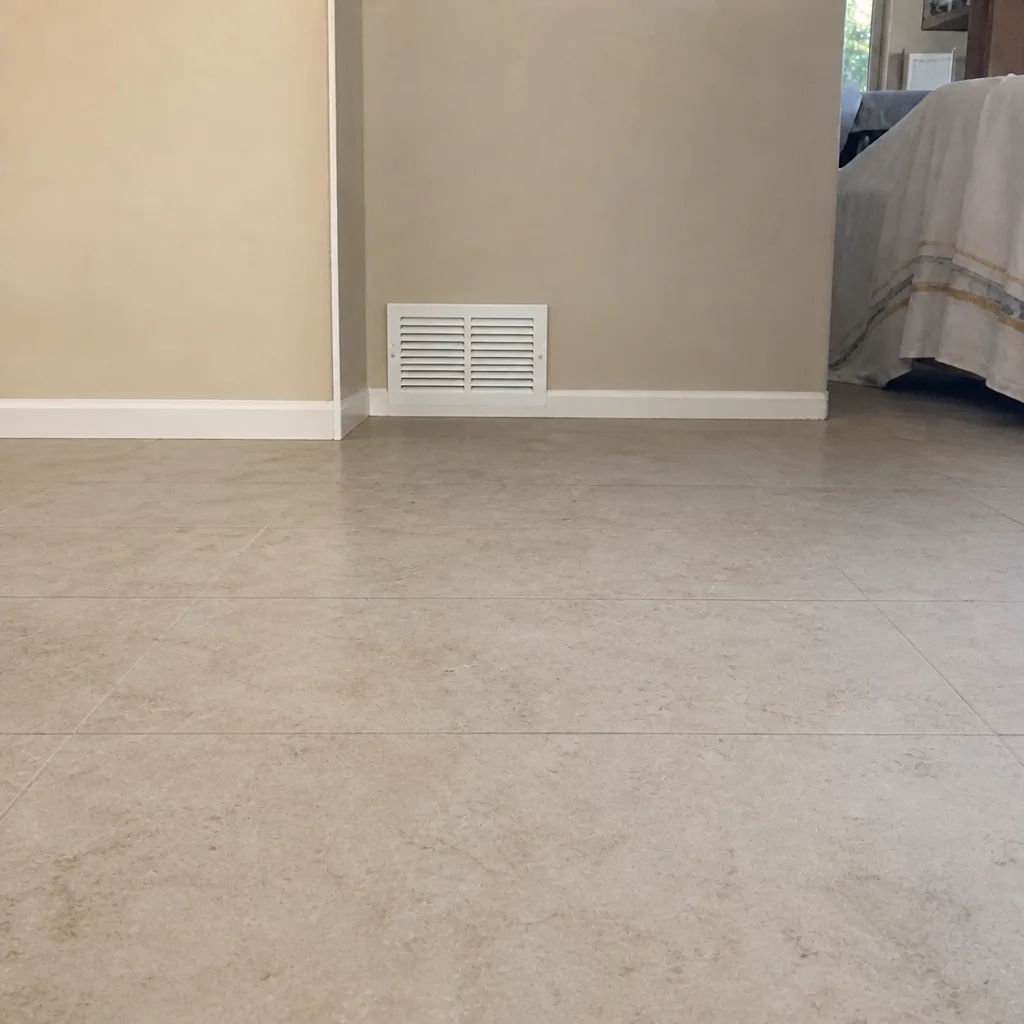 After
Frequently Asked Questions
The earliest signs are a filter that loads faster than it used to, a room that has slowly drifted a few degrees off the rest of the house, and a faint dusty or musty smell in the first minute after the system starts. Visible dust at registers is a late-stage sign, not an early one. Call (855) 337-1674 for an exact quote – estimates are free.
Cost depends on the number of runs, duct type, and whether there’s repair or sanitizing work needed. Because the industry has a bait-and-switch reputation and quotes vary widely, we provide a free estimate based on your specific system, and the price is set per job by that written estimate before any work starts – no per-vent pricing, no teaser coupon rate. Call (855) 337-1674 for an exact quote – estimates are free.
Cheap quotes usually leave out equipment or scope. Consumer-grade vacuums or generalist-HVAC gear can’t properly agitate and contain debris across a full system, and a quote that only addresses supplies while skipping returns and trunk lines leaves most of the contamination in place. Call (855) 337-1674 for a free estimate on a full-system job – estimates are free.
We take before-and-after photos of your own ducts so you can see what came out. If a company can’t show you the actual work on your system, that’s worth questioning. Call (855) 337-1674 for an exact quote – estimates are free.
There’s no fixed schedule that fits every home. Watch your signs, not a calendar: if your filter intervals are stable, rooms are even, and no smell comes back, the system is functioning. If any of those change, that’s your signal to have it looked at. Call (855) 337-1674 for an exact quote – estimates are free.
Cleaning removes surface soot consistently. Whether it removes the smell depends on whether smoke penetrated the liner material. Surface soot is a cleaning question; liner penetration may call for liner replacement or duct repair. An inspection tells you which one applies. Call (855) 337-1674 for an exact quote – estimates are free.
The Bottom Line
The warning signs that matter in a Downtown Anaheim duct system are the quiet ones: filter loading rate, uneven room temperatures that have drifted over time, and a smell you can characterize by category. Visible dust at the register is the late signal. If you’ve tracked a pattern of shortening filter intervals, a room that’s gotten harder to keep comfortable, or a persistent smell – get an inspection before a cleaning becomes a remediation. The right equipment in the right hands turns a whole-system problem into a one-visit fix, with duct repair and air quality upgrades handled alongside the cleaning rather than by a different contractor later.
If you’ve been seeing any of these signs in your own home, we’d rather look than guess. Call (855) 337-1674. We answer 24/7. Fast dispatch from 7am to 7pm, Sunday through Friday. One call covers the whole system with Air Duct Cleaning Downtown Anaheim – we’ll give you a free estimate and show you the before-and-after photos so you know exactly what came out.
Written by the team at Air Duct Cleaning Downtown Anaheim.