
Last updated November 24, 2026
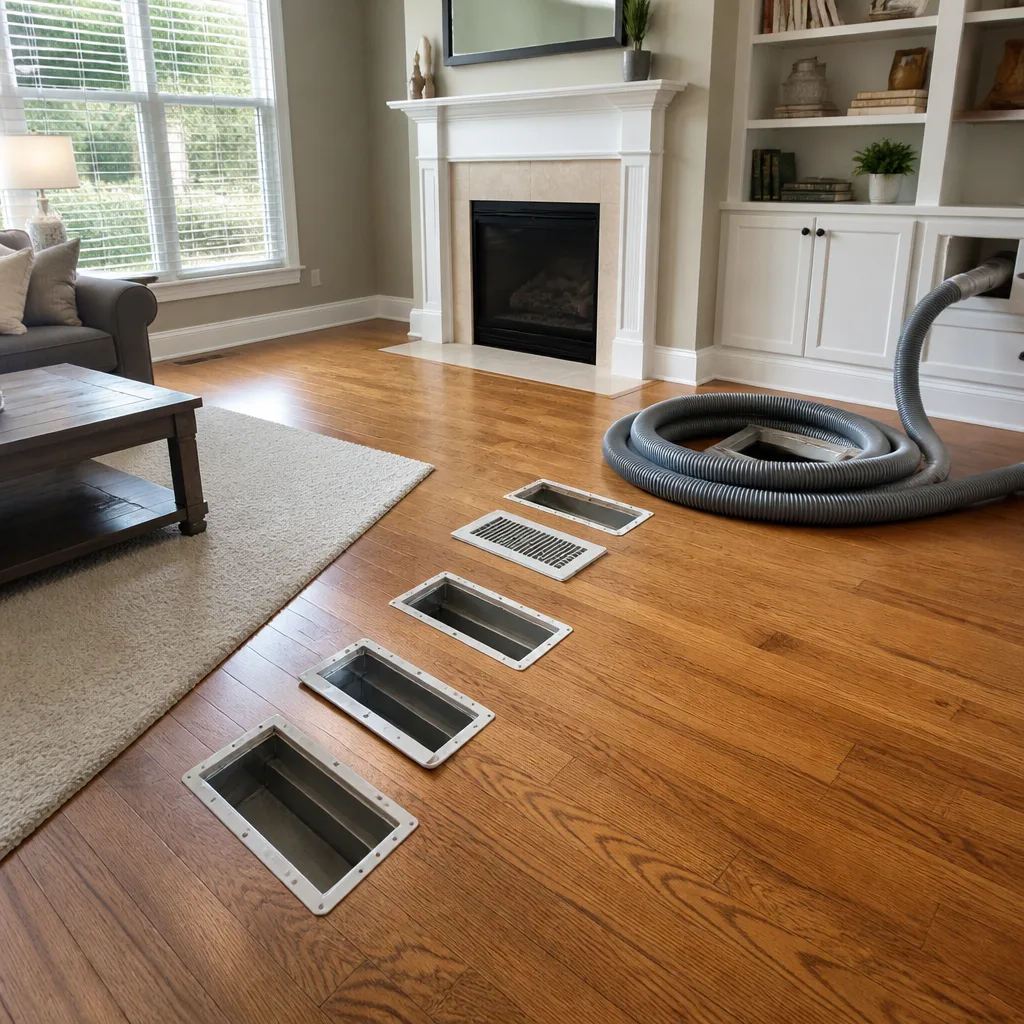 Whole-home duct cleaning
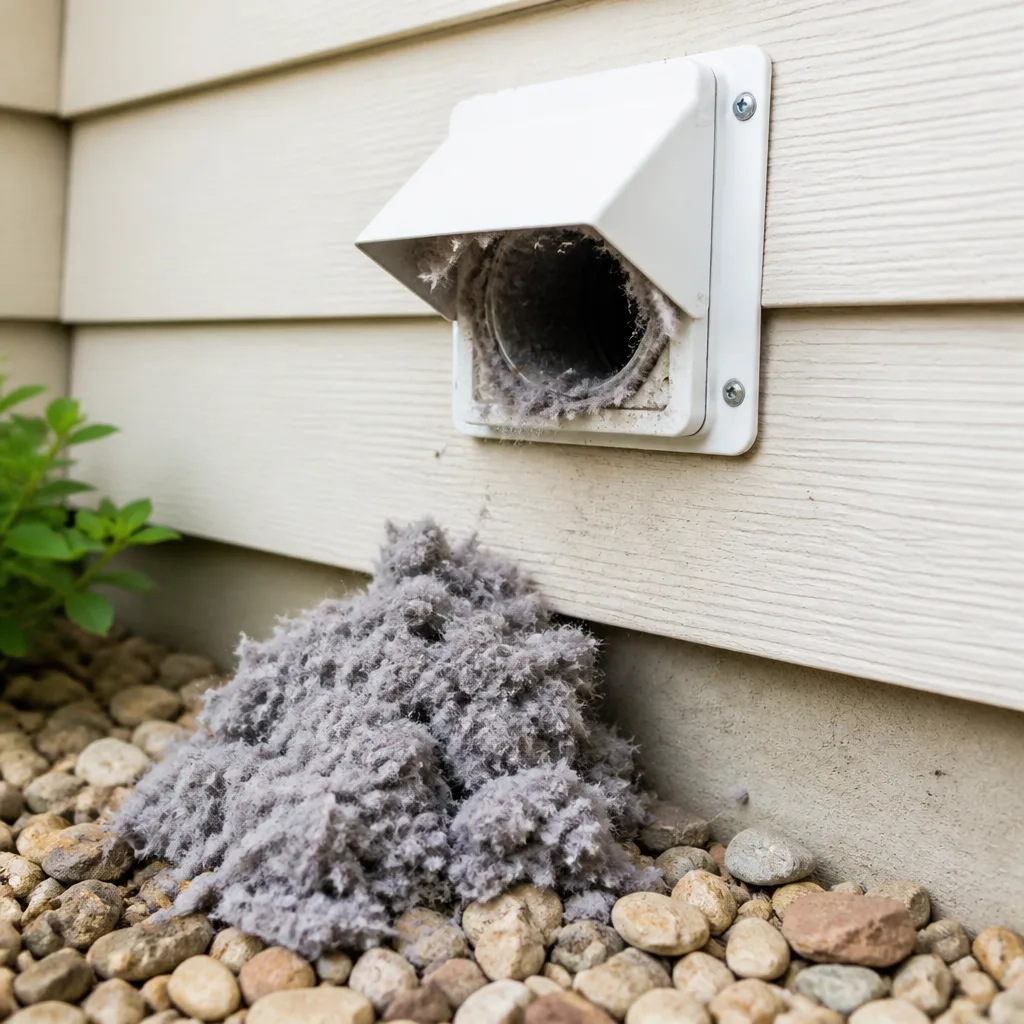 Dryer vent cleaning
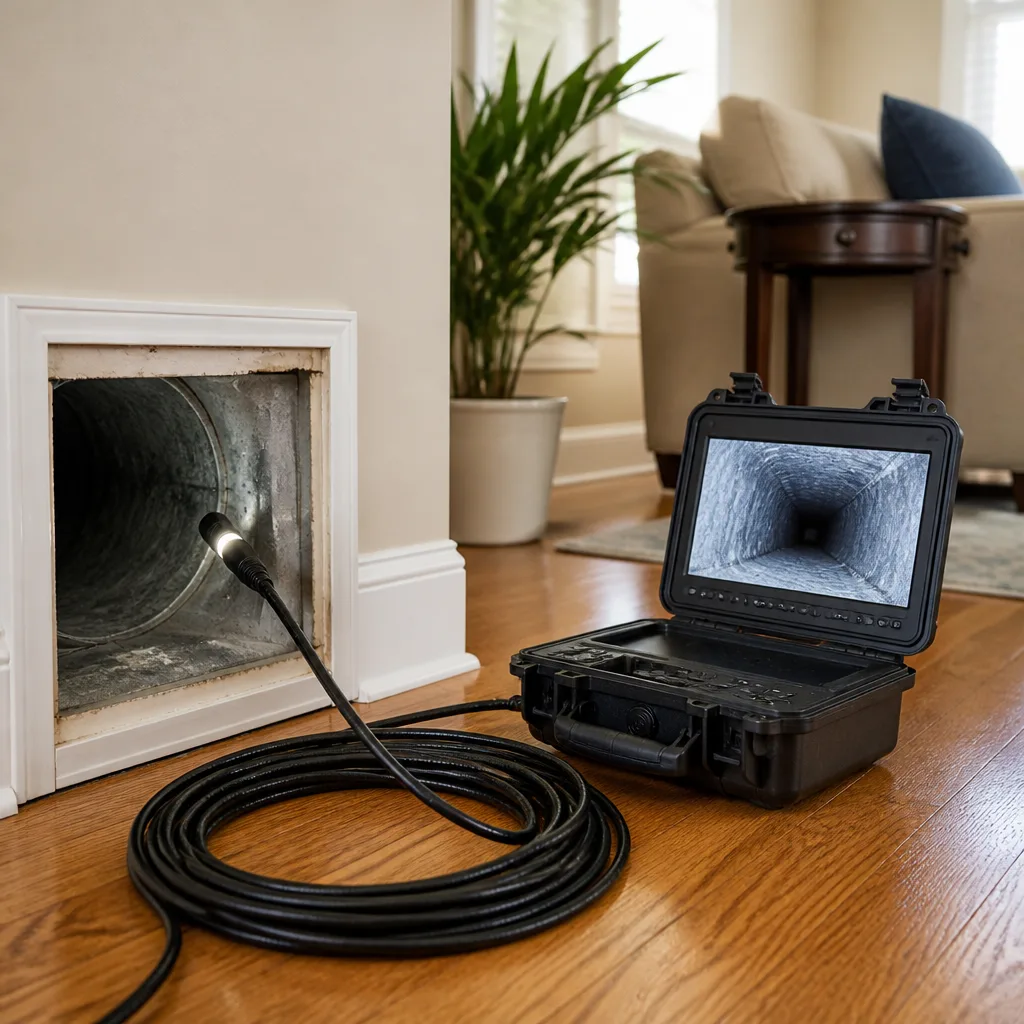 Camera inspection
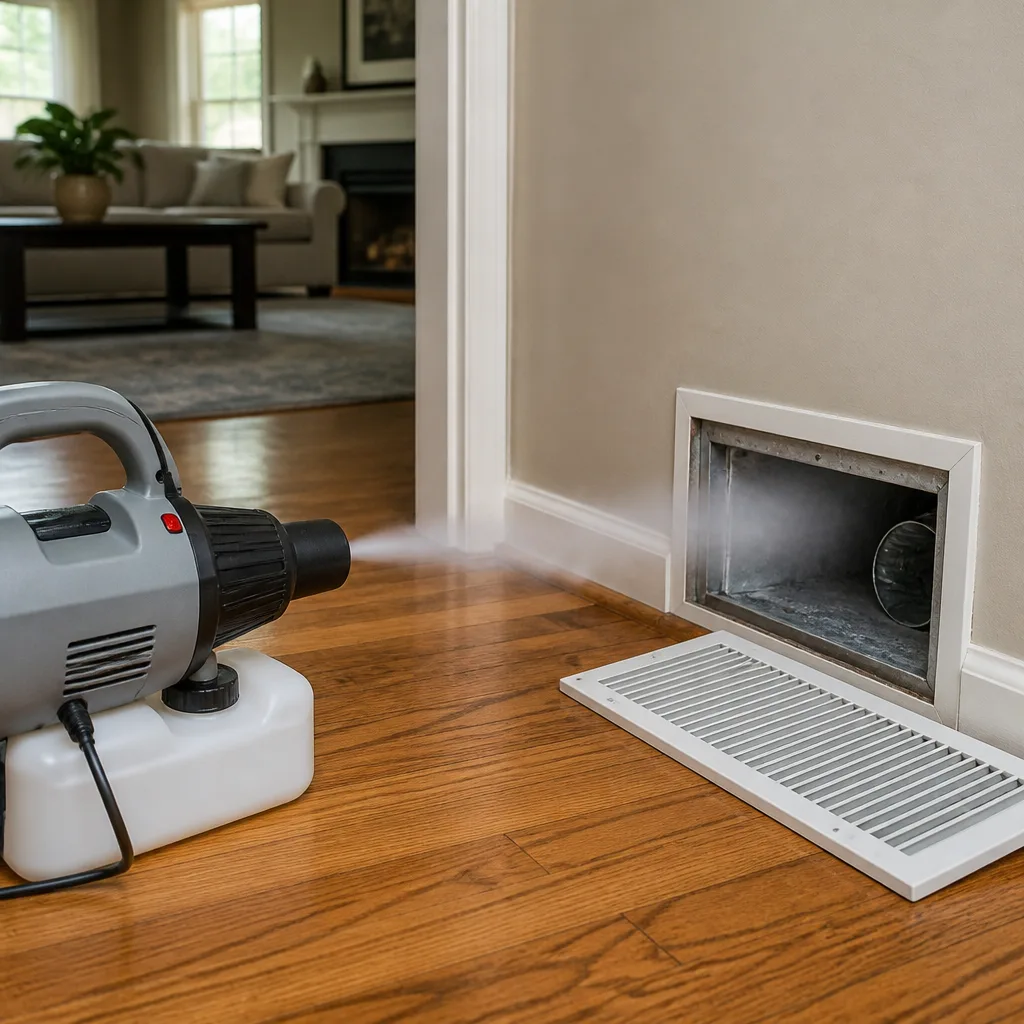 Sanitizing & deodorizing
Whole-system duct and dryer vent check with before-and-after photos - you see exactly what came out of your vents
That "$99 whole-house special" is a bait ad - the real number appears once they are in your hallway, or the "clean" is a shop-vac at the register. We photograph the inside of your ducts before and after instead.
Air Duct Cleaning Emergency Preparedness Guide for Downtown Anaheim Homes
During Orange County’s recent wildfire smoke events, HVAC contractors reported a surge of calls from homeowners who had done what the air quality alerts told them to do: shut the windows, run the system on recirculate, and wait it out. Many of them still ended up with smoke odor in the ducts. The reason matters, and it surprises people. Most residential duct systems aren’t sealed tightly enough to keep fine smoke particles out no matter which mode the thermostat is set to, because return-side leaks, attic penetrations, and loose plenum connections pull outside air in regardless. This guide walks through two emergencies a Downtown Anaheim home is genuinely exposed to, wildfire smoke infiltration and water intrusion into the duct system, and gives you a written protocol for both: what to do in the first hours, what to document, and how to tell whether a job needs standard cleaning or full remediation.
Key Takeaways
- Running recirculate during an air quality alert helps indoor air, but it does not seal the duct system. Leaky returns and plenum connections still draw outside air in.
- Water reaching a duct or plenum creates a mold-risk window measured in days, not weeks. Documentation and drying come first, cleaning comes second.
- Photograph and document before anyone cleans or remediates. Insurance claims depend on the condition record, not the invoice.
- Smoke odor that returns after cleaning usually means the source wasn’t the duct interior, or contamination reached the insulation or the air handler.
- A pre-event home file shortens emergency response and reduces scope creep when you’re under pressure.
Styles & brands we work with
- Whole-home duct cleaning
- Dryer vent cleaning
- Camera inspection
- Sanitizing & deodorizing
Quick Answer
Emergency duct preparedness for a Downtown Anaheim home means preparing for two specific events: a wildfire smoke intrusion during an SCAQMD air quality alert, and water reaching the duct system from a condensate line failure, a roof leak above a plenum, or plumbing intrusion near a return chase. The response is the same in both cases: stop the source, document the condition with photos and dates before touching anything, call your insurer if damage is covered, and then call a duct specialist to assess whether the job is standard cleaning or certified remediation. Waiting to build a plan until the event is happening is what turns a cleaning job into a remediation job.
Table of Contents
- Wildfire Smoke Protocol for Downtown Anaheim Homes
- What to Do in the First 24 Hours After an Event Clears
- Water Intrusion Scenarios and Duct Mold Risk
- What to Document for Insurance Before Any Work Begins
- Standard Cleaning vs. Certified Remediation: Where the Line Is
- Building a Pre-Event Home File
- System Settings Before, During, and After an Alert
Wildfire Smoke Protocol for Downtown Anaheim Homes
When SCAQMD issues an air quality alert for Orange County, the instinct to run the system on recirculate is correct as far as it goes, but it’s not sufficient on its own. Recirculate stops fresh-air intake at the air handler, but the duct system itself is not a sealed vessel. Return ducts in an attic or crawlspace, plenum penetrations, and gaps around filter slots all let outdoor air in. In Downtown Anaheim’s older housing stock, where return chases often run through interior walls with minimal sealing at the framing, the leak path is real and it’s typically larger than it looks.
The other issue is the air handler coil. When smoke particles load up the return side and the coil surface, the odor doesn’t fully clear when the outdoor air does. That’s the difference between a smoke event you rode out and one you’re still living with weeks later.
During an Air Quality Alert
- Close all windows and exterior doors. This is the first and most effective step.
- Set the thermostat to recirculate or “fan on” only when you’re confident the return is not pulling from outside. If you have fresh-air intake tied to the system, close it at the damper.
- Run a quality filter with a high MERV rating in the return slot, and change it when the alert clears. Do not run a high-MERV filter indefinitely after an event; it can choke airflow if left past its loading.
- Seal obvious gaps around the filter slot and access panels with painter’s tape as a temporary measure during the event. Remove the tape and inspect the gaskets after.
- Do not run exhaust fans (bath, kitchen, dryer vent) more than necessary. Each one creates negative pressure and pulls outdoor air in through the same leaks.
If your system hasn’t been cleaned in years, the contaminant on the interior surfaces during a smoke event acts as an attachment layer for fine particles. Professionally cleaned ducts and a sealed system genuinely do behave differently during an event, which is why the pre-event posture matters more than the response. If the alert has cleared and the ducts are dirty, scheduling air duct cleaning removes the load and resets the system before the next event.
What to Do in the First 24 Hours After an Event Clears
The 24 hours after smoke clears are when decisions made now have the longest reach. The short version: don’t clean yet, don’t sanitize yet, and don’t run the system on high hoping to blow it out. Document, inspect, and call. Here’s the order.
- Change the air filter. Pull the dirty filter, photograph it with a date card or timestamp visible, and set a clean filter into the slot. Old filters loaded with smoke residue keep going into the airstream.
- Look at the return grilles and registers. If they show visible soot or fine grey film, that’s a signal the duct interior likely needs inspection, not just cleaning.
- Smell the air with the fan on, not the AC. Run only the fan setting. If smoke odor appears with the fan on and not before, the source is inside the duct system or the air handler cabinet. If the smell is present regardless of system mode, you may be dealing with smoke in soft contents and building materials instead.
- Photograph the interior of each return and supply register with the grille removed, using a phone flashlight. This record will matter if you file a claim and it costs nothing now.
- Call a duct specialist for an inspection. Not to sell you a cleaning on the spot, but to determine the scope: standard cleaning, coil cleaning, or a broader remediation.
What you shouldn’t do is wipe the interior of the registers with a damp rag and call it done. Surface cleaning at the register doesn’t reach the trunk line, and it can spread contaminant further into the filter if you push material back through the grille.
Water Intrusion Scenarios and Duct Mold Risk
Water intrusion is the second emergency a Downtown Anaheim duct system faces, and it’s the more serious of the two. Mold growth on duct surfaces can start within 24 to 48 hours of a wet event given the warmth and humidity inside a running system. That’s not a scare statistic. It’s the practical reason water intrusion gets a faster timeline than contamination from smoke or dust.
There are three paths by which water reaches a duct system in a home like most in Downtown Anaheim:
- HVAC condensate failure. The drain pan, drain line, or secondary overflow backs up or clogs, and the pan overflows into the air handler cabinet and the first few feet of the supply plenum. In a well-sealed system this stays contained, but if the pan has a crack or the plenum is unlined, water migrates into the airstream.
- Roof leak above a plenum or attic duct run. Attic duct runs are particularly exposed. Water from a failed flashing, deteriorated roof jack, or wind-driven rain intrusion travels along the top of the duct and soaks into fiberglass or flex duct insulation. What you notice later is a musty smell from supply registers.
- Slab leak or plumbing failure near a return chase. A pinhole leak in a slab or wall supply line can wick into the framing around a return chase without showing itself until you smell it in the return air.
The response for all three is the same short sequence: shut the system off at the breaker, isolate the source, remove standing water, and photograph the wet material before anyone tries to dry or clean it. Then get an inspection of the wet duct sections. A wet section of flex duct or insulation board is replaced, not saved.
For water intrusion near the plenum, that might mean HVAC cleaning and coil inspection once the source is repaired and the area is dried. For any duct interior that has held dampness, see the next section on documentation.
What to Document for Insurance Before Any Work Begins
The single most expensive mistake we see after a smoke or water event is cleanup happening before documentation. Insurers need condition record, not just an invoice for work already done. Once material is cleaned or removed, the evidence is gone and the claim narrows.
Here’s the documentation checklist for both event types. Photograph and note everything with timestamps, ideally with a visible date card or phone clock in frame.
- Event source and date. Note the SCAQMD alert dates and event severity for smoke. For water, note what failed, when you noticed it, and the extent of visible water.
- System condition before the event. Pull the most recent filter photo, prior cleaning records, and any past inspection reports from your home file.
- Interior duct photos. Remove each accessible return and supply grille and photograph the interior with a flashlight. Include the air handler cabinet and plenum if visible.
- Moisture readings on wet material. Ask your inspector to record moisture readings on wet insulation board, drywall near the plenum, and framing around return chases before any drying begins.
- Odor notes. Write down what you smell, when, and under what system setting (fan-only vs. cooling). Specificity here is what supports the claim.
- Scope of proposed work in writing. Get the proposed scope in writing before work starts; the estimate sets the price and the scope, and both need to be clear to your insurer.
- Before-and-after photo set. Ask the contractor to provide before-and-after photos of the same duct sections. This is standard practice for professional cleaning and remediation, and it supports the invoice.
A trained indoor air quality specialist should be able to walk you through this list without conflict-of-interest pressure. If a contractor wants to start cleaning the same day you call, without first documenting condition, that’s a red flag regardless of how low the quote is. Call (855) 337-1674 to schedule a free estimate and an inspection that starts with the record, not the cleaning.
Standard Cleaning vs. Certified Remediation: Where the Line Is
Not every smoky or damp duct system needs remediation, and paying for remediation you don’t need is as much of a problem as skipping it. The threshold markers below are the ones specialists look for. If any of them are present, the scope shifts from cleaning to remediation.
- Visible microbial growth on duct interior surfaces, plenum, or air handler cabinet. Cleaning alone doesn’t address an active colony. Remediation with containment and post-treatment does.
- Porous duct material that has been wet for more than a brief period. Fiberglass duct board and flex duct insulation cannot be reliably dried and cleaned; they’re removed and replaced.
- Smoke odor that persists past a standard cleaning. If odor returns within days after cleaning, the source likely wasn’t the duct interior; it’s the coil, the plenum insulation, or soft contents in the home. The scope expands accordingly.
- Heavy contaminant loading – visible soot or fine grey ash film on return duct surfaces, not just the grille. Fine-particle abatement equipment is required for this.
- A pre-existing respiratory or allergy concern in the household. The threshold for what’s acceptable drops when anyone in the home has a documented sensitivity.
For heavy contamination, mold presence, or post-construction debris, the equipment standard changes. We use Rotobrush and Nikro purpose-built duct cleaning systems, and on qualifying jobs we bring Abatement Technologies air filtration equipment, the same class of gear used in abatement and restoration work. That’s a scope decision, not a sales pitch: when the contamination warrants it, the right equipment is the difference between removing it and disturbing it.
For sanitizing after cleaning, Guardsman-grade treatments are the standard we work to. For systems that need an upgrade rather than just a cleaning, Aprilaire and Honeywell components let a full-system scope include filtration and air purification, so the interior is clean and the ongoing air quality load is lower. The shorthand we use: clean it, seal it, upgrade it.
Building a Pre-Event Home File
The most effective preparation for a duct emergency is a home file that already exists. It takes about an hour to build and it shortens emergency response dramatically when you’re under pressure. Here’s what belongs in it.
- System photos. Clear photos of the air handler, filter slot, plenum connections, accessible return and supply grilles, and any attic or crawlspace duct runs. Date them.
- Duct layout documentation. If you can’t find a plan, walk the house and note the location and size of each return and supply. Note where return chases run through walls.
- Current filter size and MERV rating. Photograph the filter label. Emergency response is faster when there’s no guessing about what to buy.
- Last cleaning and inspection record. Date, contractor, scope, and the before-and-after photos from that job. This becomes the baseline in a claim.
- Condensate line location. Note where the drain line exits, where the overflow switch is, and how you shut off the system at the breaker. Water events overwhelm people because nobody knows where the shutoff is in the moment.
- Insurance policy and contact. Keep the policy number and claims line in the file, plus your agent’s name if you have one.
- Specialist contacts. Have one number for a duct specialist, one for a roofer, and one for a plumber. That’s the whole list. Air Duct Cleaning Downtown Anaheim is (855) 337-1674.
The pre-event home file also improves the estimate conversation. When we know the system from photos and a layout record, we can give a more accurate scope and a realistic timeline for a job like yours.
System Settings Before, During, and After an Alert
The right system settings during an air quality event are not the same as the settings that fix the aftermath. Recirculate during an event reduces indoor smoke but doesn’t seal the duct; fan-off after an event slows odor circulation but doesn’t clean the interior. Here’s the sequence.
- Before an event (blue-sky day): Get the ducts cleaned and the leaks sealed. A sealed return side and a clean interior is the only real preparation. Duct sealing is a genuine efficiency improvement and a contaminant barrier.
- During an event: Windows closed. Recirculate or fan-on based on your fresh-air intake setup. High-MERV filter in place, changed at the end of the event.
- First 24 hours after: New filter, photograph, fan-only smell test, call for inspection.
- After inspection: Cleaning or remediation per scope. Then consider an Aprilaire or Honeywell filter upgrade if you’re going to face another smoke event in the next fire season, which in Southern California you likely will.
- Ongoing: Filter changes on a real schedule, an annual filter slot seal check, and a cleaning cycle roughly every three to five years for most homes.
If the interior has been wet rather than smoky, the sequence is different: stop the source, document, dry, inspect, then clean. Duct repair and sealing are part of the fix, and they pay for themselves by preventing a repeat of the same event.
See the difference
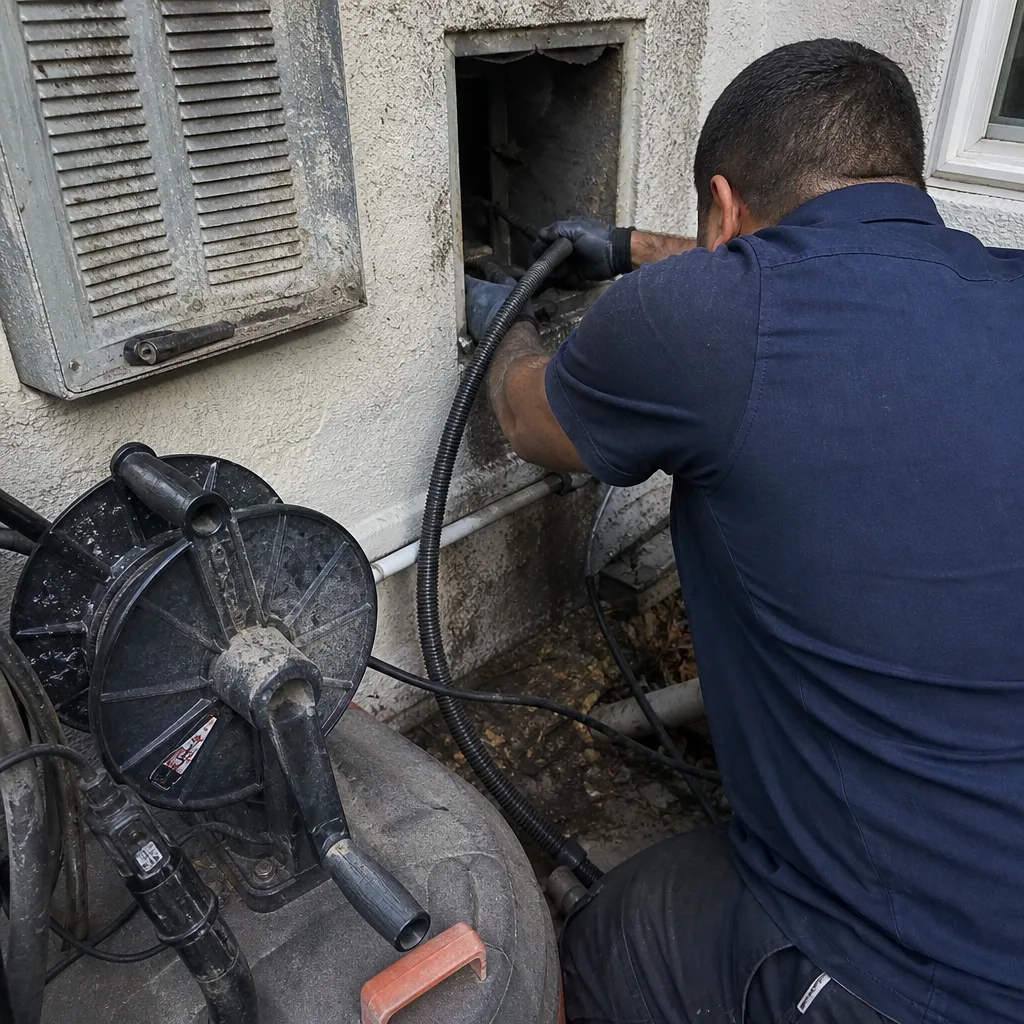 Before
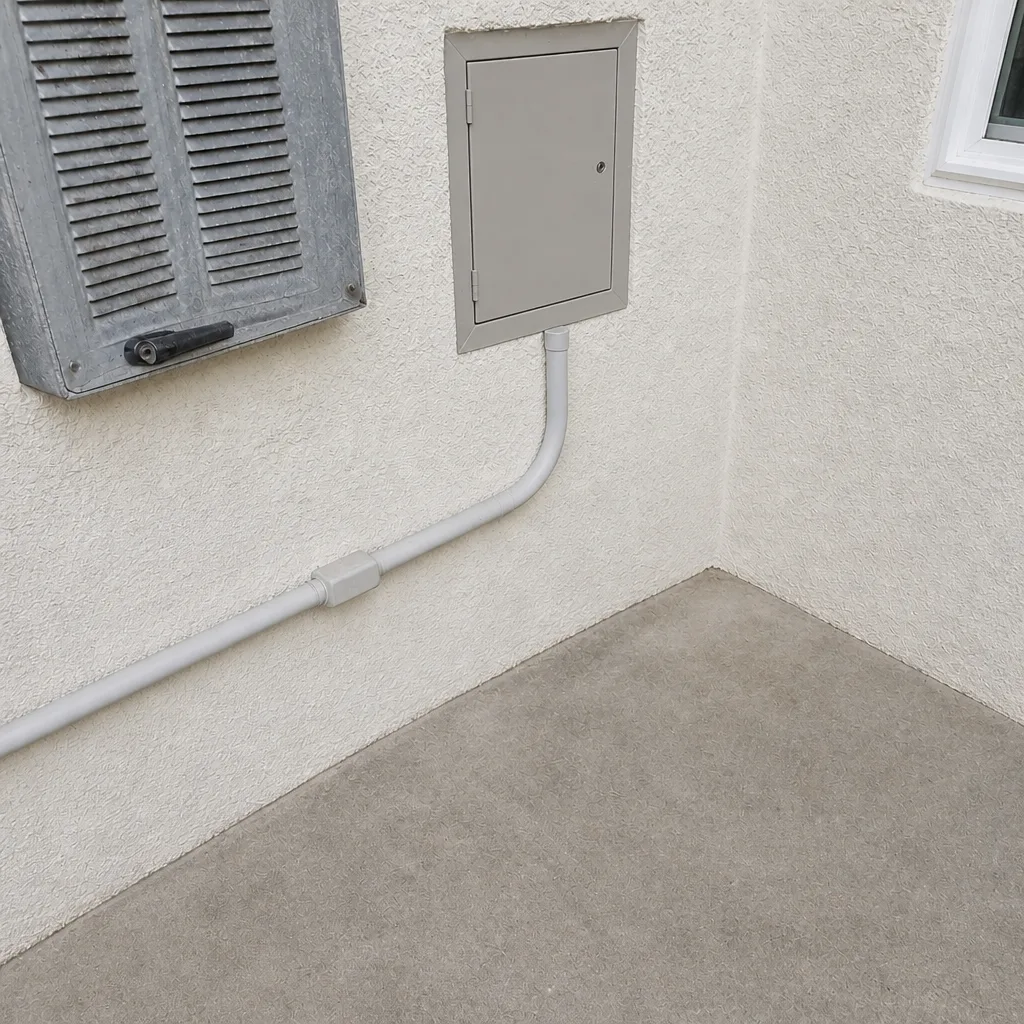 After
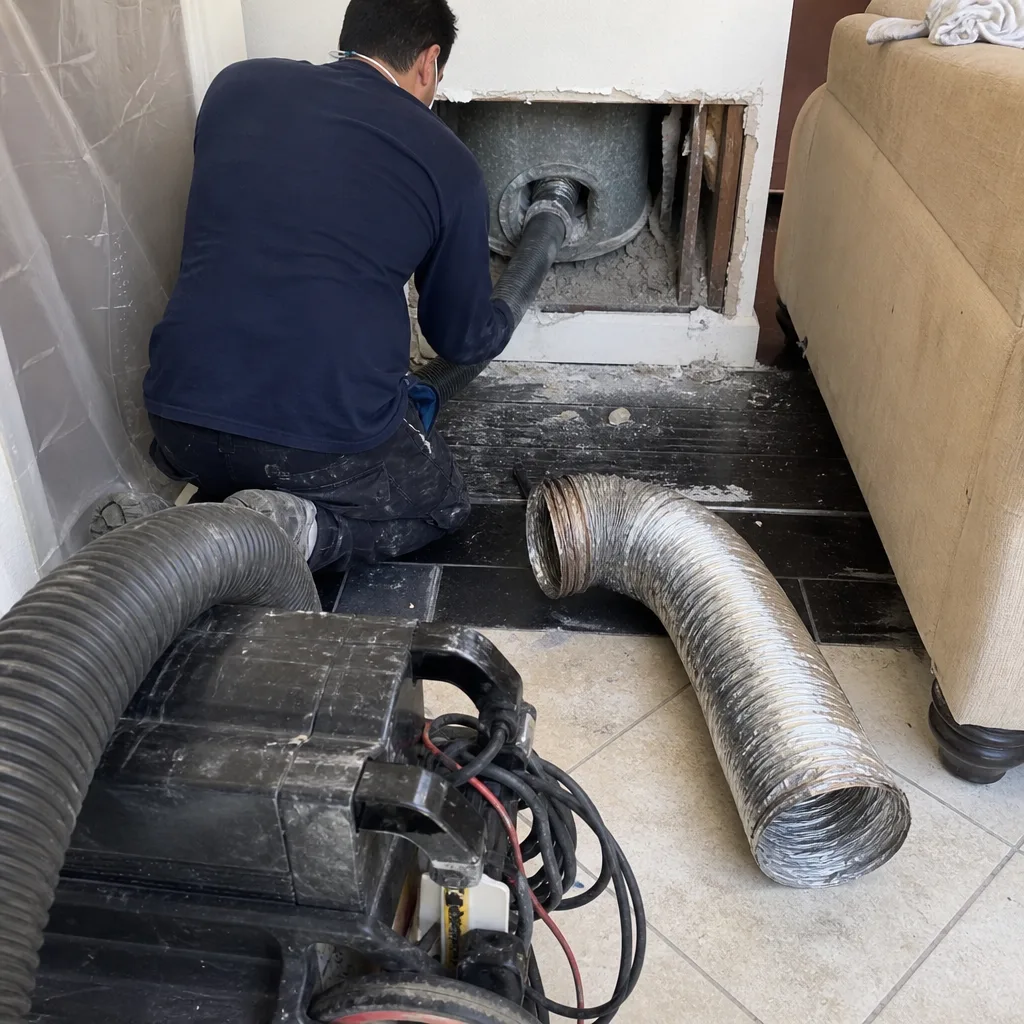 Before
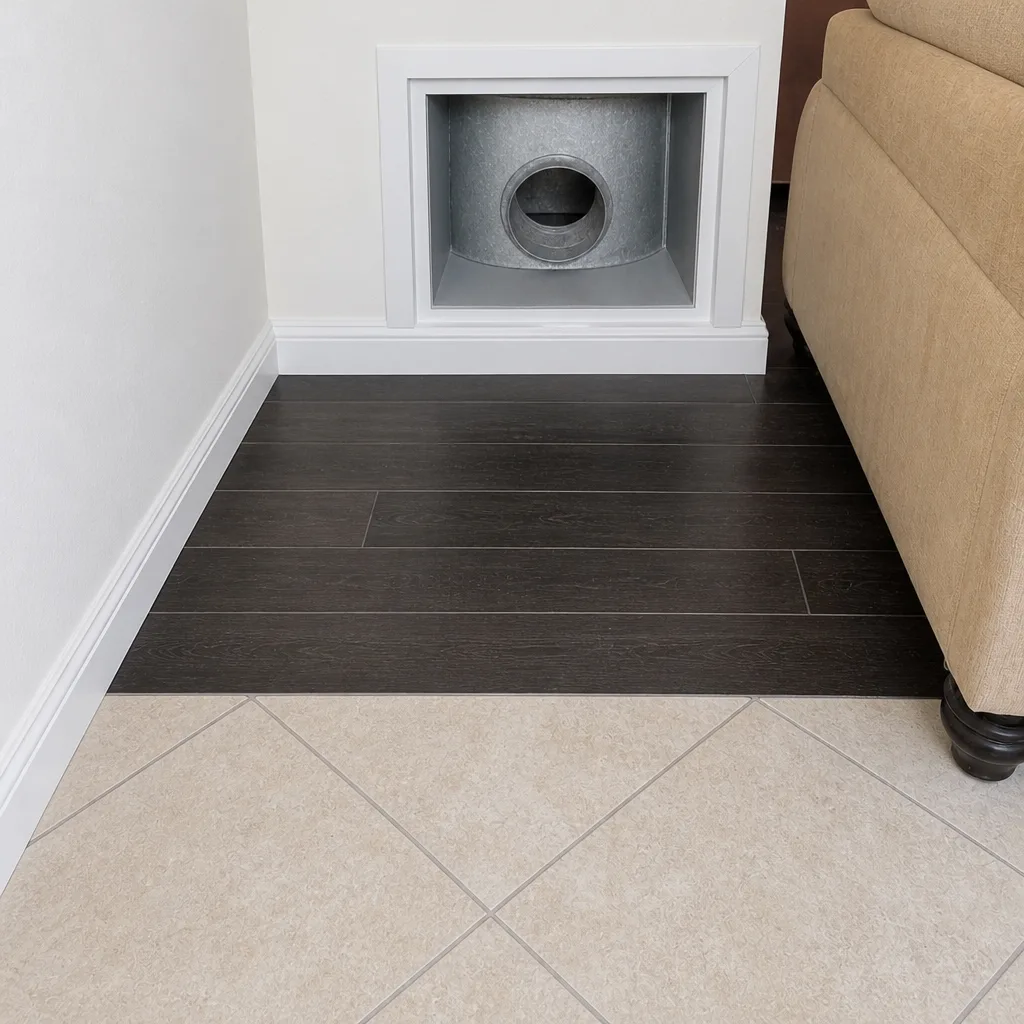 After
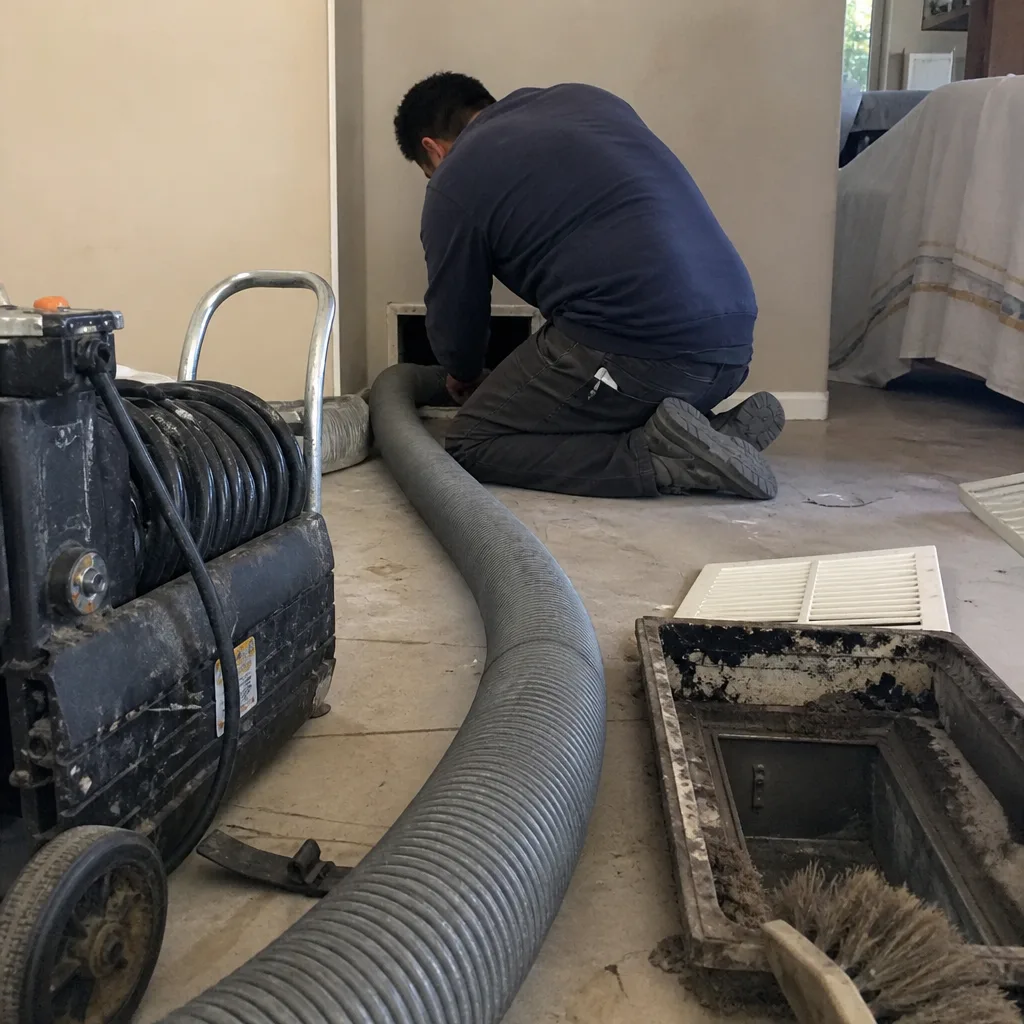 Before
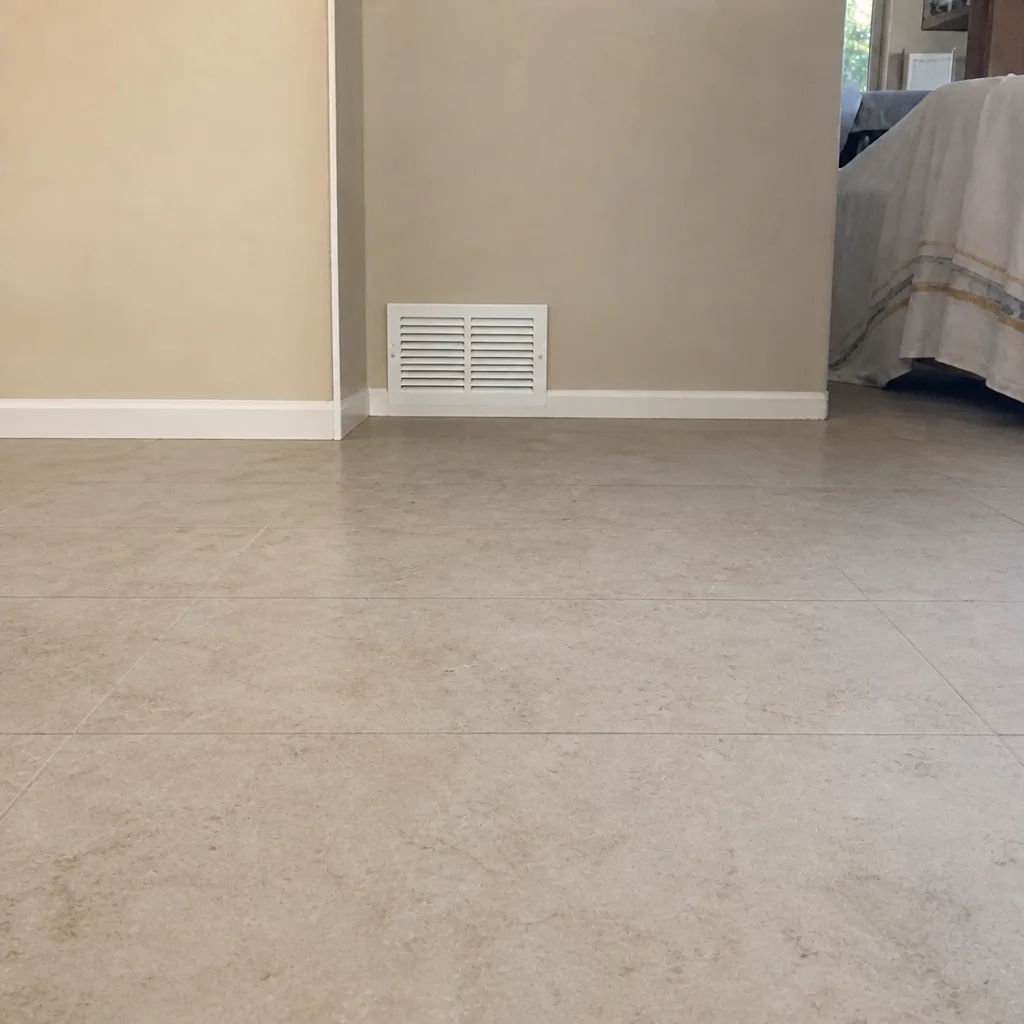 After
Common Mistakes to Avoid
- Cleaning before documenting. If you clean or throw away wet material before photographs and moisture readings are recorded, the insurance claim narrows significantly. Record first, clean second.
- Assuming recirculate is airtight. During a smoke event, many Downtown Anaheim homes still draw outside air in through return-side leaks and plenum penetrations. A leaky system can’t be fixed by a thermostat setting.
- Sanitizing a wet system. Applying a sanitizing treatment to duct surfaces that are still damp does nothing useful and can mask the underlying mold risk. Dry, remove affected material, then treat.
- Skipping the coil. Whole-system cleaning means the air handler coil too. Many “duct cleanings” that don’t include coil cleaning leave the largest contaminant reservoir untouched.
- Waiting for the smell to worsen. Odor isn’t a reliable severity indicator. A duct system can carry significant microbial growth without a strong smell until the system runs hard.
- Using a shop vac on duct interiors. Consumer vacuums agitate fine particles into the air rather than containing them. Professional-grade equipment with HEPA containment is a different job.
- Coordinating separate contractors for the same event. When cleaning, sealing, and an air quality upgrade are three different companies, the handoffs are where things get missed. One specialist covering the whole system keeps scope and responsibility in one place.
When to Call a Professional
Call a duct specialist when the smell of smoke or dampness persists with the system fan running after the event has cleared, when you can see soot or fine grey film inside a return register, when any duct material has been wet for more than a brief period, or when the system ran through an SCAQMD air quality alert and hasn’t been cleaned in years. Also call if you’re seeing condensation around the air handler, if the drain pan shows standing water, or if your insurance claim needs a condition report before work begins. Air Duct Cleaning Downtown Anaheim offers free estimates in Downtown Anaheim; call (855) 337-1674. We answer 24/7. Fast dispatch from 7am to 7pm, Sunday through Friday. Our technicians have up to 13 years of experience and we’re equipped for both standard cleaning and serious contamination scenarios.
Frequently Asked Questions
Typical duct cleaning ranges depend heavily on the size of the home, the number of systems, and the amount of contamination. A standard single-system cleaning in a midsize Downtown Anaheim home usually falls in the low-to-mid hundreds; heavy contamination, mold presence, or post-water-event work pushes the range up because it requires abatement-grade equipment and often duct repair and sealing as part of the scope. We price per system, not per vent, and the written estimate sets the final price. Call (855) 337-1674 for an exact quote; estimates are free.
Yes, on recirculate or fan-on with windows closed, but be aware that recirculate doesn’t seal the duct system. Leaks in returns and plenum penetrations can still pull outside air in. Change the filter when the event clears and inspect the interior of each return for soot or fine grey film. If any is visible, call for an inspection rather than a cleaning.
The metal duct interior rarely holds odor permanently after professional cleaning. What can hold odor is the insulation board, flex duct insulation, the coil, or soft contents in the home. If odor returns within days of a cleaning, the scope needs to widen to those areas rather than repeating the cleaning.
Signs include a musty smell from supply registers that appears when the fan runs, visible water staining on the air handler cabinet, condensation around the plenum, or a recently failed condensate drain. An inspection with moisture readings on any affected insulation board or flex duct is the reliable test. It’s worth the call; the risk window is measured in days.
Coverage depends on your policy and the documented cause. That’s why documentation before cleaning matters so much. Photograph everything, record the event dates, note the source, and get the scope in writing. We can work with your insurer and provide condition photos and a written scope to support the claim.
Every three to five years for most homes is a reasonable baseline, and it’s not a hard rule. Then adjust: sooner after a smoke event, sooner after any water intrusion, sooner in homes with pets, significant allergy concerns, or recent renovation, and after any post-construction debris in the system. The pre-event home file is what makes the “sooner” trigger easy to spot.
Cleaning removes contamination from the interior surfaces. Sealing closes the leaks that let outside contaminants in and conditioned air out. They solve different problems and each is worth doing on its own; together they prevent the next smoke or dust event from reaching you the same way. Duct repair and sealing are part of our scope so the fix is complete rather than surface-level.
The Bottom Line
Downtown Anaheim duct emergencies are predictable, and that’s the good news. A wildfire smoke event follows an air quality alert you’ll see coming; a water intrusion follows a failure you can plan for with a pre-event home file. The response protocol is the same in both: stop the source, document condition with photos and moisture readings before anyone cleans, get the scope in writing, then call a specialist to determine whether the job is standard cleaning or remediation. Change the filter at the right moment, photograph the interior of your registers, keep a home file, and know your specialist’s number before you need it. Call (855) 337-1674 for a free estimate.
Written by the team at Air Duct Cleaning Downtown Anaheim.