
Last updated November 24, 2026
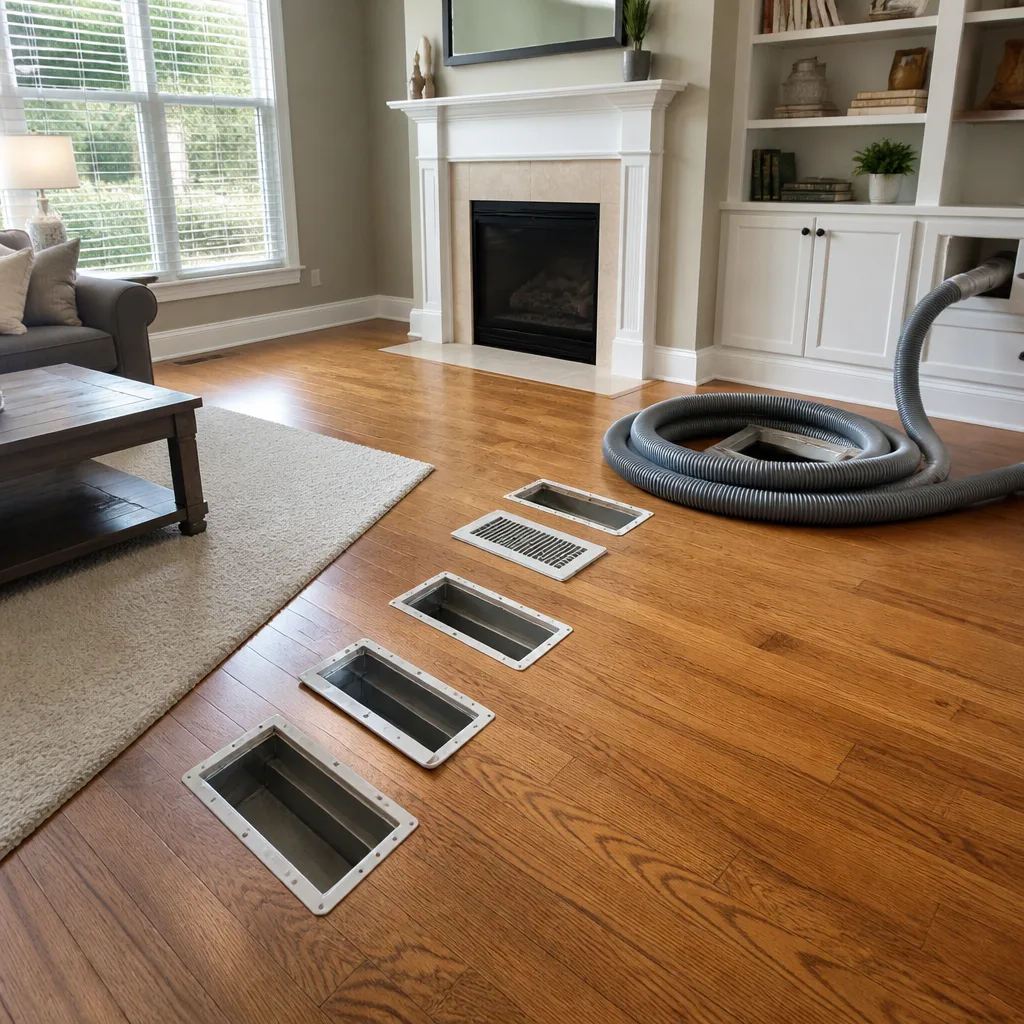 Whole-home duct cleaning
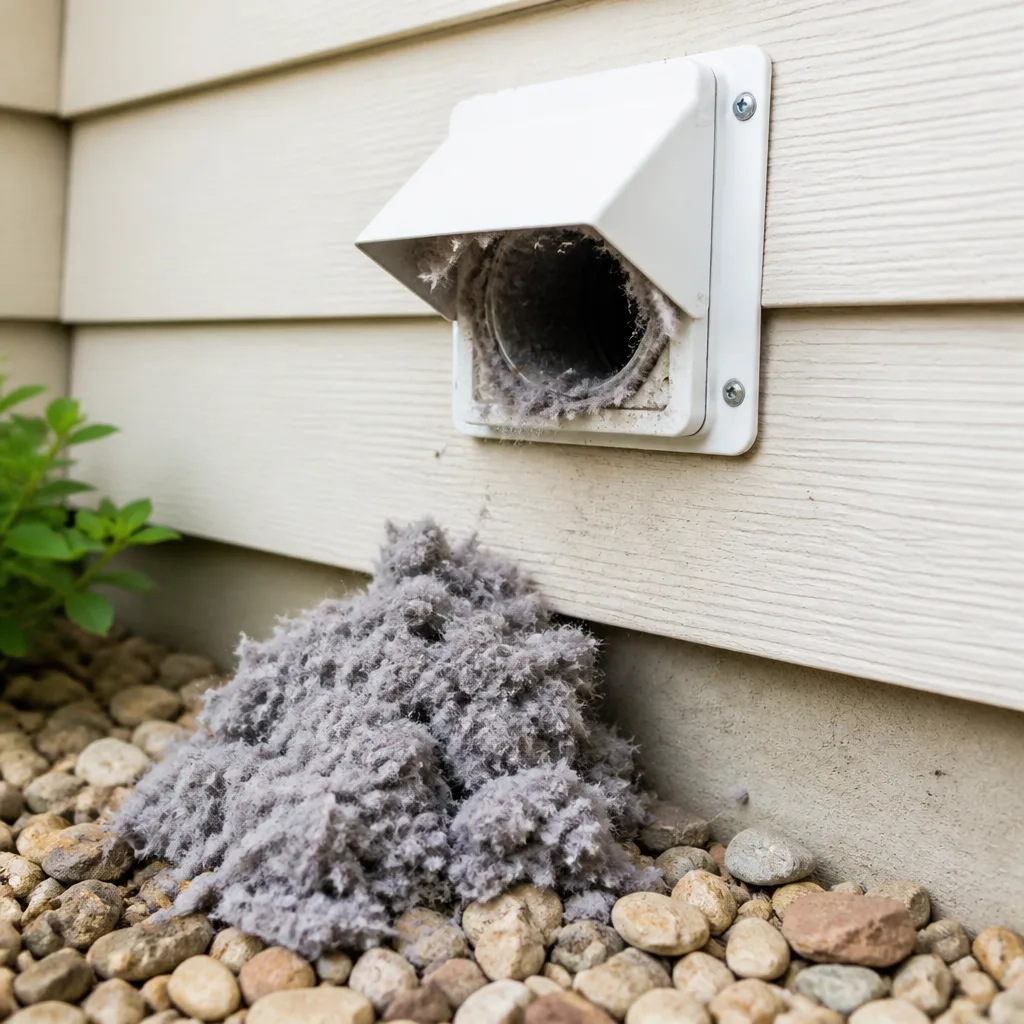 Dryer vent cleaning
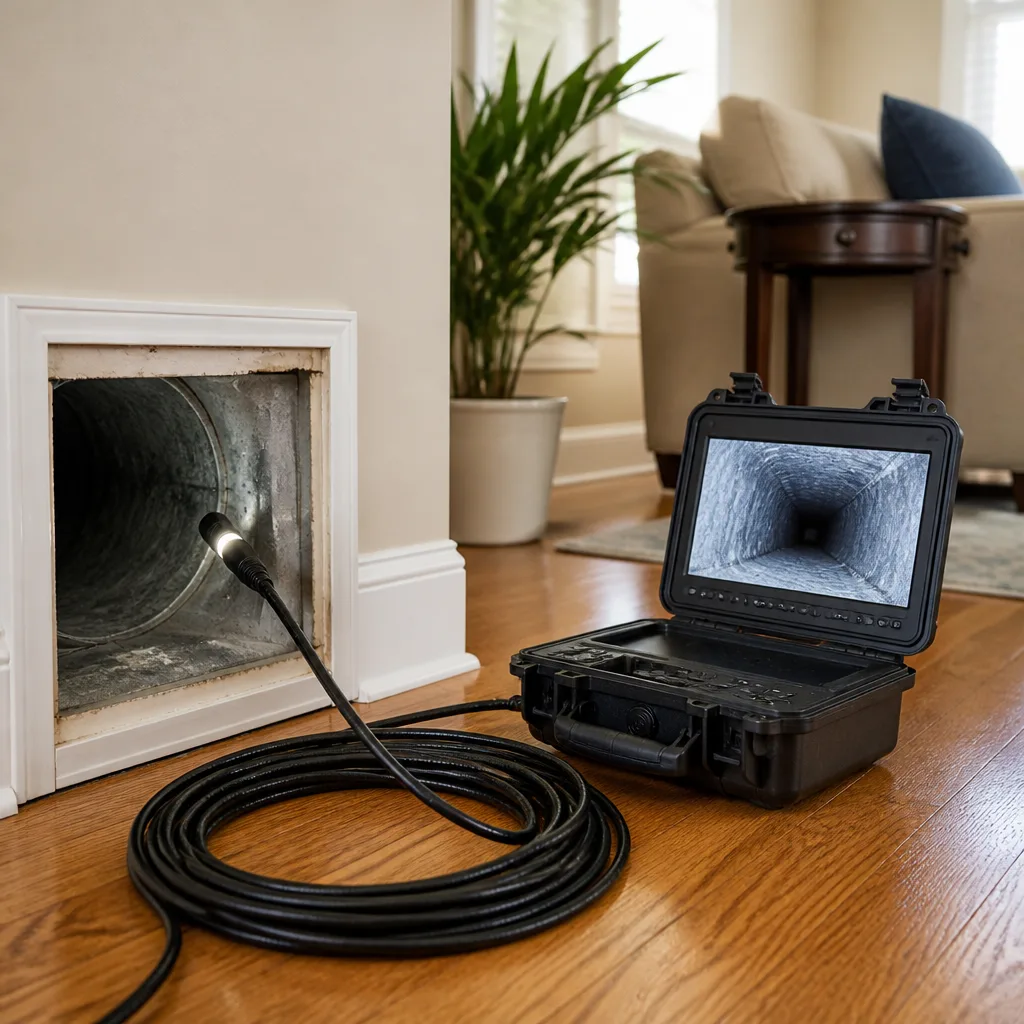 Camera inspection
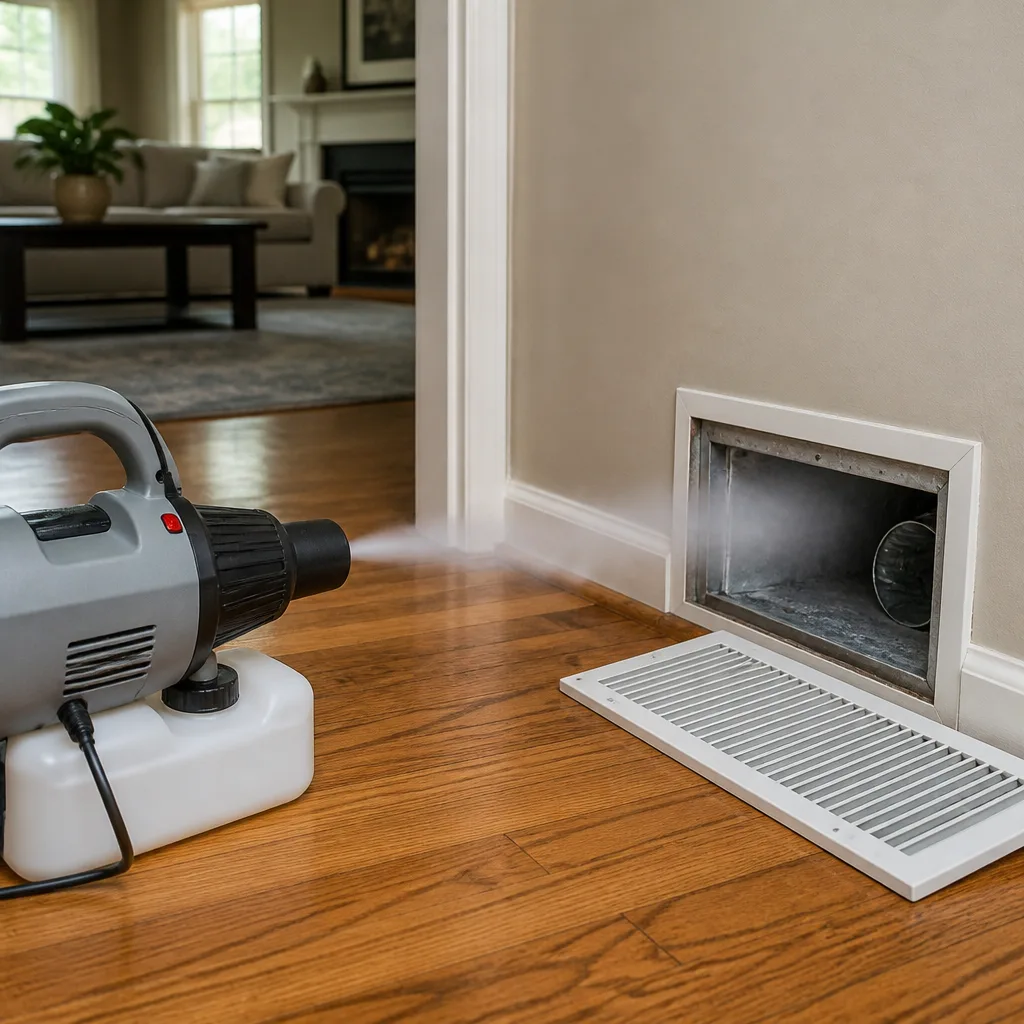 Sanitizing & deodorizing
Whole-system duct and dryer vent check with before-and-after photos - you see exactly what came out of your vents
That "$99 whole-house special" is a bait ad - the real number appears once they are in your hallway, or the "clean" is a shop-vac at the register. We photograph the inside of your ducts before and after instead.
Air Duct Cleaning Maintenance Checklist for Downtown Anaheim Homeowners
Telling a Downtown Anaheim homeowner to “clean the ducts every 3 to 5 years” is about as useful as telling them to change their oil every January regardless of mileage. The triggers that actually foul ductwork here don’t follow a calendar. They follow wind events, smoke events, and how hard your system has been running. A checklist built on fixed intervals ignores the two things that matter most in this part of Orange County: what’s in the air outside and how often your HVAC moves it through the house.
This guide gives you a decision-based maintenance approach. You’ll get concrete inspection points you can safely check yourself, the ones that need a camera scope and a trained technician, a simple filter-loading method for gauging contamination velocity, and a log that makes every future assessment faster and more accurate. Downtown Anaheim sits in a basin where air settles and windstorms arrive with little warning, so a little structure goes a long way.
Quick Answer
Air duct maintenance in Downtown Anaheim should be triggered by events and evidence, not by a fixed number of years. Check registers, filters, and return grilles within 72 hours of any significant Santa Ana wind event or air quality alert, track how fast your filters load as a proxy for duct contamination, and schedule professional inspection when filters clog markedly faster than usual, visible debris appears at registers, or your system has had a known contamination event such as remodeling or water intrusion. A professional Air Duct Cleaning Downtown Anaheim inspection confirms what a visual check can’t.
Styles & brands we work with
- Whole-home duct cleaning
- Dryer vent cleaning
- Camera inspection
- Sanitizing & deodorizing
Table of Contents
- Why Calendar Intervals Fail in Downtown Anaheim
- The Santa Ana Wind Event Checklist: First 72 Hours
- Post-Wildfire Smoke Protocol for Orange County Air Quality Alerts
- Reading Filter Loading Rate as a Contamination Signal
- What You Can Safely Check vs. What Needs a Camera Scope
- Building a Maintenance Log That Actually Helps
- Humidity, Dust, and the Shoulder Seasons
- When Evidence Says Schedule Professional Service
Why Calendar Intervals Fail in Downtown Anaheim
A fixed cleaning interval assumes every home accumulates contamination at the same rate. They don’t. Two houses a few blocks apart in Downtown Anaheim can end up with very different duct conditions within the same year, because the variables that drive accumulation are local and event-driven rather than seasonal and predictable.
The main drivers here come down to a few things:
- Wind events. Santa Ana wind events push large volumes of fine dust, pollen, and debris through the region. Homes with any gap in the building envelope or filtration system take on significantly more airborne particulate during these windows.
- Smoke events. Wildfire smoke reaches Orange County during fire season, and alert thresholds change how quickly particulate accumulates indoors. Air quality alerts are a better signal than a date on a calendar.
- HVAC runtime. A home with a system running for hours a day moves far more air through the ducts than one that runs intermittently. More air moved means more particulate loaded onto the interior surfaces of the ductwork.
- Renovation activity. Drywall dust, sawdust, and fine construction debris get pulled into return air. A remodeling project is a contamination event even if the ducts are otherwise clean.
- Filtration quality. A high-MERV filter in a well-sealed system slows accumulation. A cheap filter in a leaky return duct speeds it up. Those two homes need very different schedules.
What that means for you: rather than marking a date on the calendar, watch for the conditions that actually move the needle. The rest of this guide is built around those conditions. If you already know you have a heavy contamination load, the full air duct cleaning process is where to start. Otherwise, work through the checklists below and let evidence drive the decision.
One more point specific to this area: the climate here is mild, so the system often carries most of the load for both heating and cooling with long shoulder seasons where windows stay shut. That closed-house pattern keeps dust and debris recirculating through the system rather than venting out, which is why a “clean home” can still have a duct problem that only shows up on inspection.
The Santa Ana Wind Event Checklist: First 72 Hours
Within 72 hours of a major Santa Ana wind event, walk the house and check three things: registers, filters, and return grilles. This is the single highest-value inspection window of the year in Downtown Anaheim, because contamination from a wind event is easiest to remove before it settles deeper into the system and before the next cycle pulls it further along the trunk lines.
Work through it in this order:
- Check the filter first. Pull the filter and hold it to a light. If it’s noticeably darker or loaded with visible grit compared with your normal filter change, note the date and the condition. A filter that loaded during a wind event tells you the system pulled particulate in.
- Open and inspect supply registers. Look at the register face and, with a flashlight, the first few inches of duct interior just behind the register boot. Visible dust plumes, grit, or darkening on the duct walls indicate the system drew debris through.
- Inspect return grilles. Returns are where the system pulls air in, so they carry the heaviest particle load. A return grille with visible accumulated dust shortly after a wind event is a strong indicator of duct contamination.
- Smell-test at registers. Turn the fan on and stand at a few registers. A dusty, earthy, or smoky smell suggests particulate has accumulated on interior surfaces, not just on the filter.
- Note any visible exterior gaps. Look for obvious gaps around supply and return boots where they meet drywall, and around the air handler cabinet. Gaps let unfiltered air bypass the filter and load the ducts directly.
- Log everything. Date, filter condition, register observations, and the air quality conditions that week. That entry becomes a baseline for the next event.
Wind events here don’t arrive on a predictable schedule, so the practical move is to set up a simple alert for wind advisories and air quality advisories in Downtown Anaheim. When the alert fires, run the checklist within 72 hours. If the filter is heavily loaded and registers show visible grit, that’s your cue to schedule inspection rather than just swap the filter.
Post-Wildfire Smoke Protocol for Orange County Air Quality Alerts
When Orange County air quality alerts are issued for wildfire smoke, treat it as a duct-and-filtration event, not just a keep-the-windows-closed day. Smoke particulate is fine enough to pass through standard filters and settle on interior duct surfaces, and the accumulation is cumulative across smoke events within a season.
What to do during and after a smoke alert:
- Keep windows and exterior doors closed. Minimize the air exchange that brings smoke into the house.
- Run the HVAC fan on “on” or “circulate” while a quality filter is in place. Moving filtered air through a good filter helps, provided the filter is rated for it. A cheap filter won’t capture fine smoke particles, and a filter that’s too restrictive for your blower isn’t a good trade either.
- Check the filter within a week of the alert lifting. Smoke events load filters faster than typical dust accumulation, and a loaded filter stops being an effective barrier.
- Inspect registers after the alert. Look and smell for smoke residue on register faces and inside the first few inches of duct behind them.
- Note the alert dates in your log. Over a fire season, the log tells you how many smoke events your system has absorbed. That’s the number that matters for scheduling.
The thing most homeowners miss is that the accumulation is gradual and cumulative. One smoke event might not need action. Three or four in a season, combined with a wind event in between, is a meaningful particulate load that will show up on a professional inspection and often in the house’s indoor air quality long before it’s visible at the registers.
If you’ve been through a heavy fire season and the house still smells faintly of smoke after the alerts clear, that’s a strong signal that a duct inspection and a cleaning are worth scheduling. If your filtration is part of the problem, integrating a whole-home filtration solution from a brand like Aprilaire at the same time as the cleaning addresses the source of the issue rather than just the symptom. Air Duct Cleaning Downtown Anaheim carries that line specifically for this reason.
Reading Filter Loading Rate as a Contamination Signal
Filter loading rate is the single best free indicator of how fast your ductwork is accumulating contamination. The logic is simple: the filter catches what the system pulls in, so the faster the filter loads, the more particulate is moving through the system and the more duct inspection is warranted. This is why “check the filter every month” is good advice but “measure how fast it loads” is better advice.
Here’s how to use it:
- Pick a consistent reference point. Hold the used filter up to a light source against a plain background, or photograph it on the same table each time. Consistency is what makes the comparison meaningful.
- Record the date you installed the filter and the date you pulled it. Note the calendar days, not just “about a month.”
- Rate the loading visually. Low (light wear, mostly uniform), medium (visible darkening, some grit), or high (dark, heavy grit, sagging, or visibly uneven loading).
- Compare across changes. If a filter that used to last two months is now spent in three weeks, your system is pulling in substantially more particulate. That’s a signal, not a coincidence.
- Note system runtime. Frequent runtime also loads filters faster. If runtime is up because of a hot season, that alone can explain faster loading. Combine the filter data with your own sense of how much the system has been running.
A filter loading quickly with visible grit is a different story from a filter loading quickly with uniform dust. Grit suggests the system is pulling in outdoor particulate through leaky returns or gaps. Uniform dust loading often points to filtration that’s simply below the level the house needs. Either way, faster-than-normal loading is your trigger to schedule a professional inspection rather than just buying more filters.
In Downtown Anaheim, where long shoulder seasons keep windows shut and the system running, most homes will see a loading pattern that changes markedly across the year. That pattern is the data you need, and it costs nothing to collect.
What You Can Safely Check vs. What Needs a Camera Scope
There’s a clear line between what a homeowner can safely check and what requires a trained technician with professional equipment. Knowing the line keeps you safe and keeps the assessment accurate.
Safe for you to check:
- Filter condition, loading rate, and installation direction
- Register faces and the first couple of inches of duct behind the register boot, with a flashlight
- Return grille faces and visible dust accumulation
- Odor at registers when the fan is on
- Visible gaps around register boots and the air handler cabinet
- Filter loading rate over time
- Airflow strength at each register (a hand or a strip of paper works)
Requires a trained professional:
- Inside the trunk lines and main runs, where the actual load lives
- Anywhere a camera scope is needed to see the interior condition
- Air handler internal cleaning
- Duct sealing and repair
- Sanitizing treatment after cleaning
- Filtration and air quality upgrades like a whole-home media filter or purification system
The registers and returns only show a sample of what the system sees. The truck-equivalent equipment used by a specialist sees the whole system. Rotobrush and Nikro systems are purpose-built for this work, with agitation tools and negative-pressure capture that consumer gear can’t match. Abatement Technologies equipment in the toolkit is what makes serious contamination scenarios manageable, including heavy allergen loads, mold presence, post-construction debris, and fine-particle removal. That matters in Downtown Anaheim specifically, where remodeling is constant and fine construction debris gets pulled into return air on a routine basis.
What you should not do is attempt to clean inside the trunk lines or open the air handler yourself. Duct interior work involves contact with whatever has accumulated in the system, and the response to that should be professional equipment and proper containment, not a shop vacuum and a flashlight. A trained technician has the protective gear and the capture equipment to do it safely.
Building a Maintenance Log That Actually Helps
A maintenance log turns vague recollections (“I think we had that cleaned a few years ago”) into hard data that makes every future assessment faster and more accurate. It also makes a professional inspection far more useful, because the technician can see the pattern rather than a snapshot.
Keep it simple. A notebook, a spreadsheet, or a notes app works. What matters is the fields you record and that you record them consistently:
- Date. Every entry.
- Filter change. Date installed, date pulled, loading rating (low/medium/high), notes on grit or uniformity.
- Air quality events. Wind advisories, air quality alerts, wildfire smoke alerts, dates of each.
- Register and return observations. What you saw at each register and return during your checks, with the date.
- HVAC service events. Any repair, replacement, or air handler work, with the date and what was done.
- Renovation activity. Any remodeling, drywall work, or construction, with dates and what was done. This is a contamination event worth recording.
- Professional cleanings and inspections. Date, who performed it, what was found, and whether any sealing or repair was done.
- Odor notes. Any change in smell at the registers, with the date.
The log pays off in two ways. First, you’ll see the loading pattern emerge over a year or two and know when to schedule rather than guess. Second, when a technician arrives for an inspection, the log gives them the history: how many wind events and smoke events the system has absorbed, how loading has trended, and whether renovation activity has introduced construction debris. That history often points to exactly where to look and what equipment to bring.
Keep the log somewhere you’ll actually use it. A note stuck to the air handler door with the filter date works for some people. A spreadsheet works for others. Consistency beats sophistication.
Humidity, Dust, and the Shoulder Seasons
Downtown Anaheim has mild winters and a climate that keeps windows shut for long stretches, which means the HVAC system is carrying most of the air exchange and most of the filtration load. That’s a good thing for indoor air quality if the system and ductwork are clean. It’s a problem if they’re not, because the house isn’t getting much of the passive ventilation that a more open-window climate would provide.
Two seasonal patterns are worth building into your checklist:
- Shoulder season (spring and fall). Windows stay shut, the system runs often, and outdoor particulate from wind events and pollen season finds its way in. Filter loading can accelerate in these windows even without a big event.
- When the system has been running hard. Hot spells load the filter faster because the system is moving more air. If you notice the filter loading faster during a hot stretch, that alone isn’t necessarily a duct problem, but combined with visible grit at registers it’s worth a closer look.
What about indoor humidity? Here, the concern isn’t humidity driving biological growth inside ducts the way it can in damp climates. The more relevant question is whether moisture is present anywhere in the system, such as a leak, a water intrusion event, or condensation in the wrong place. If you’ve had a roof leak, a plumbing failure, or any water intrusion that may have affected the air handler or ductwork, that’s a trigger for a professional inspection regardless of your calendar. Mold and biological growth in ductwork is a real scenario, and Abatement Technologies equipment is what makes the response to it thorough rather than superficial.
Air purification and whole-home filtration solutions from brands like Honeywell and Aprilaire also fit here, particularly for homes with allergy-sensitive occupants. A specialist can clean the system and then upgrade the filtration and purification in the same visit rather than leaving you to coordinate a second contractor. That’s the clean-it, seal-it, upgrade-it sequence, and it’s the reasonable order of operations if you’re going to touch the system anyway.
When Evidence Says Schedule Professional Service
Use the checklist to decide when to call. The triggers below are the ones we’d act on ourselves.
- Filter loading faster than usual. A filter that used to last two months is now spent in three weeks, especially with visible grit.
- Visible dust or grit at registers or returns shortly after a wind event. Particularly if the accumulation appears within days.
- Persistent odor at registers. Dusty, earthy, or smoky smells when the fan is on.
- Post-wildfire smoke season with multiple alerts and a lingering smell.
- Renovation or water intrusion. Any construction, drywall work, or water event that could have introduced debris or moisture.
- Allergy symptoms that seem tied to time indoors. Worth a professional look even if nothing visible is obvious.
- Aging system or major component work. Which is also a good time for HVAC cleaning and a filter upgrade.
If you’re seeing several of these together, schedule an inspection. One trigger alone is a signal. Three or four together is a strong case for professional service, and the sooner you have the assessment, the sooner you can plan around it.
Common Mistakes to Avoid
- Treating “every 3 to 5 years” as the plan. The interval ignores local events. A home that’s been through three smoke events and a wind event in one season isn’t on the same schedule as one that hasn’t, and a calendar won’t tell you the difference.
- Swapping the filter without checking the registers. A new filter masks the symptom. If the filter loaded fast because the registers are pulling grit, the ducts need a look regardless of how fresh the filter is.
- Ignoring airflow changes at registers. A register that used to blow strongly and now feels weak is telling you something. It could be a filter issue, a sealing issue, or partial blockage. Don’t write it off as “just how it is.”
- Not logging renovation activity. Drywall dust and construction debris are among the most common contamination sources, and the event is easy to forget a year later when the assessment happens.
- Buying a “duct cleaning” from a generalist without verifying the equipment. A shop vacuum and an unsealed hose isn’t duct cleaning. Ask what equipment is used and whether negative pressure and agitation tools are part of the process. Rotobrush, Nikro, and Abatement Technologies are names worth hearing.
- Cleaning without sealing. If the ducts have gaps or leaky return connections, cleaning removes what’s there today, and unfiltered air re-contaminates it tomorrow. Sealing fixes the root cause.
- Using a cheap filter as the “solution.” A standard filter isn’t the fix for a dusty system. It’s a bandage. If your home needs real filtration, a proper media filter in a whole-home setup does the job that a high-MERV cabinet filter can’t in a leaky system.
See the difference
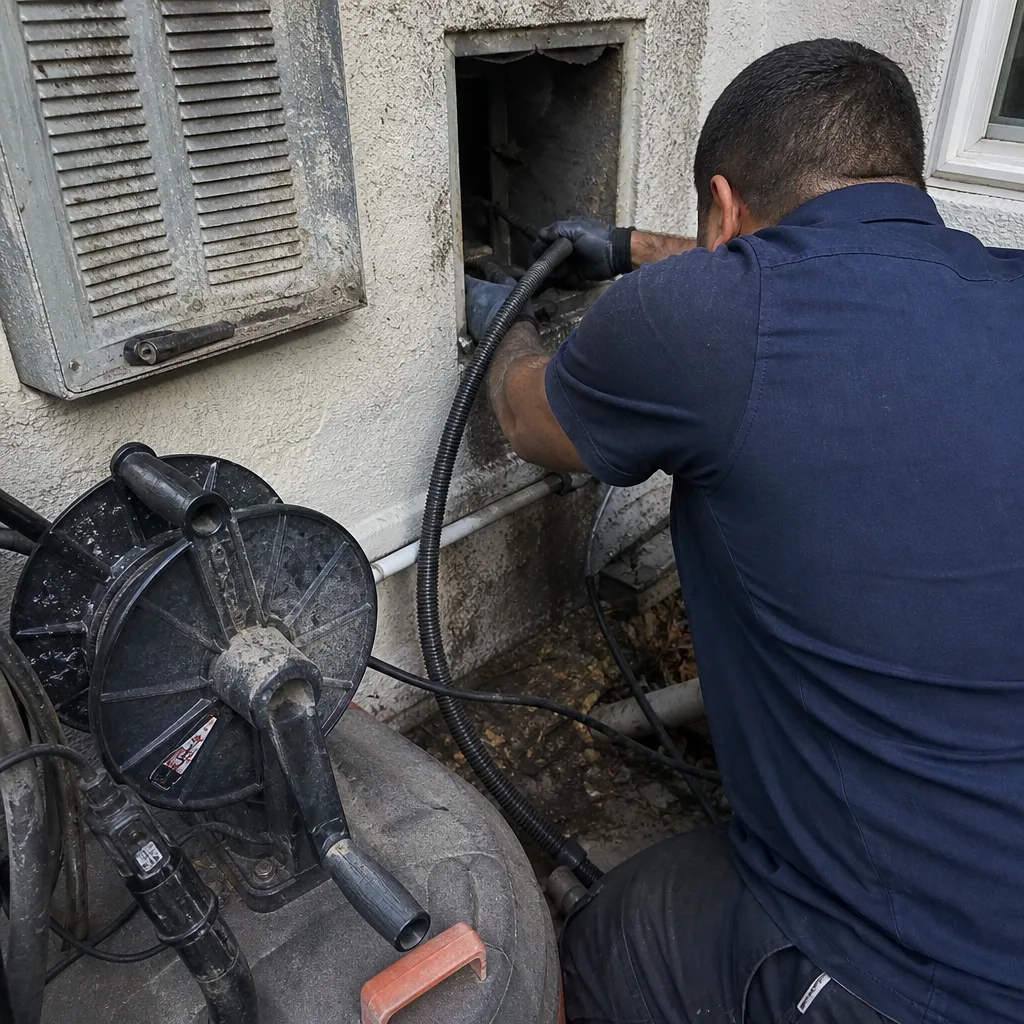 Before
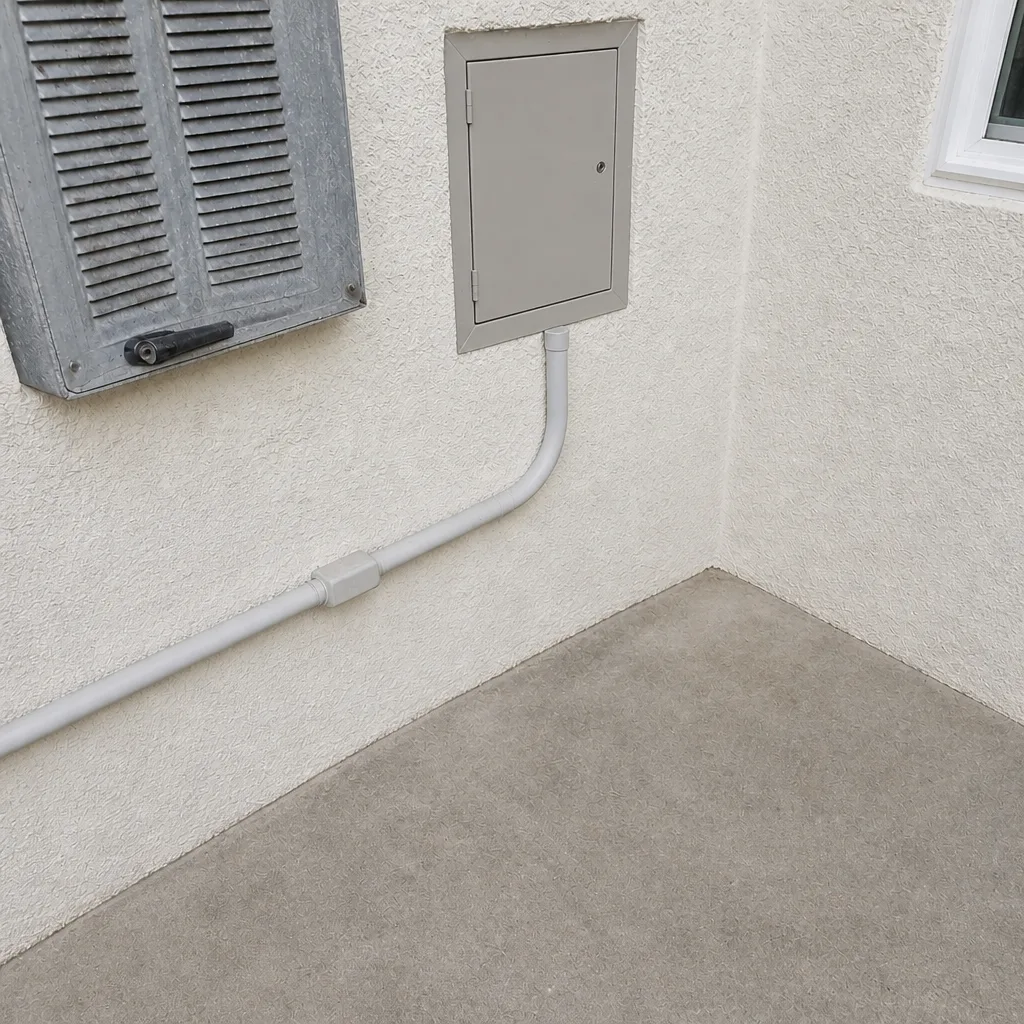 After
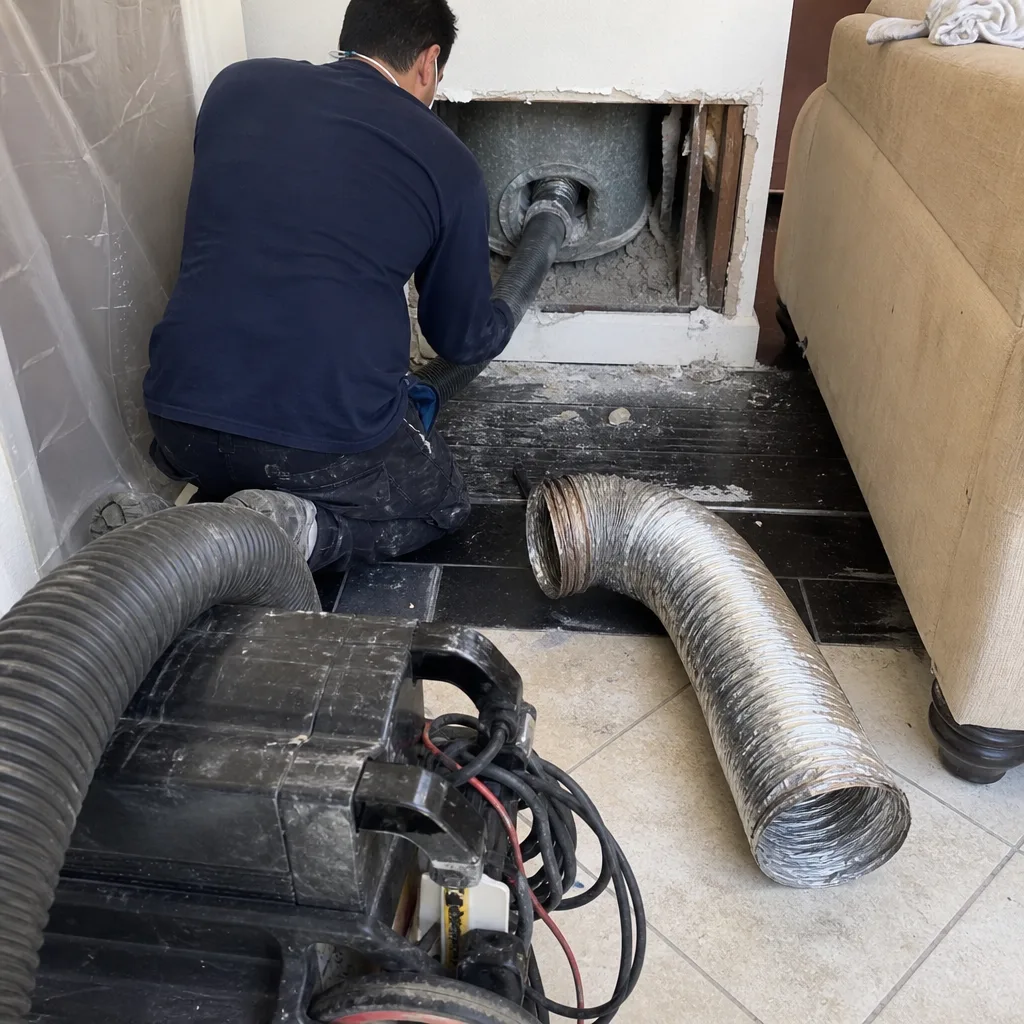 Before
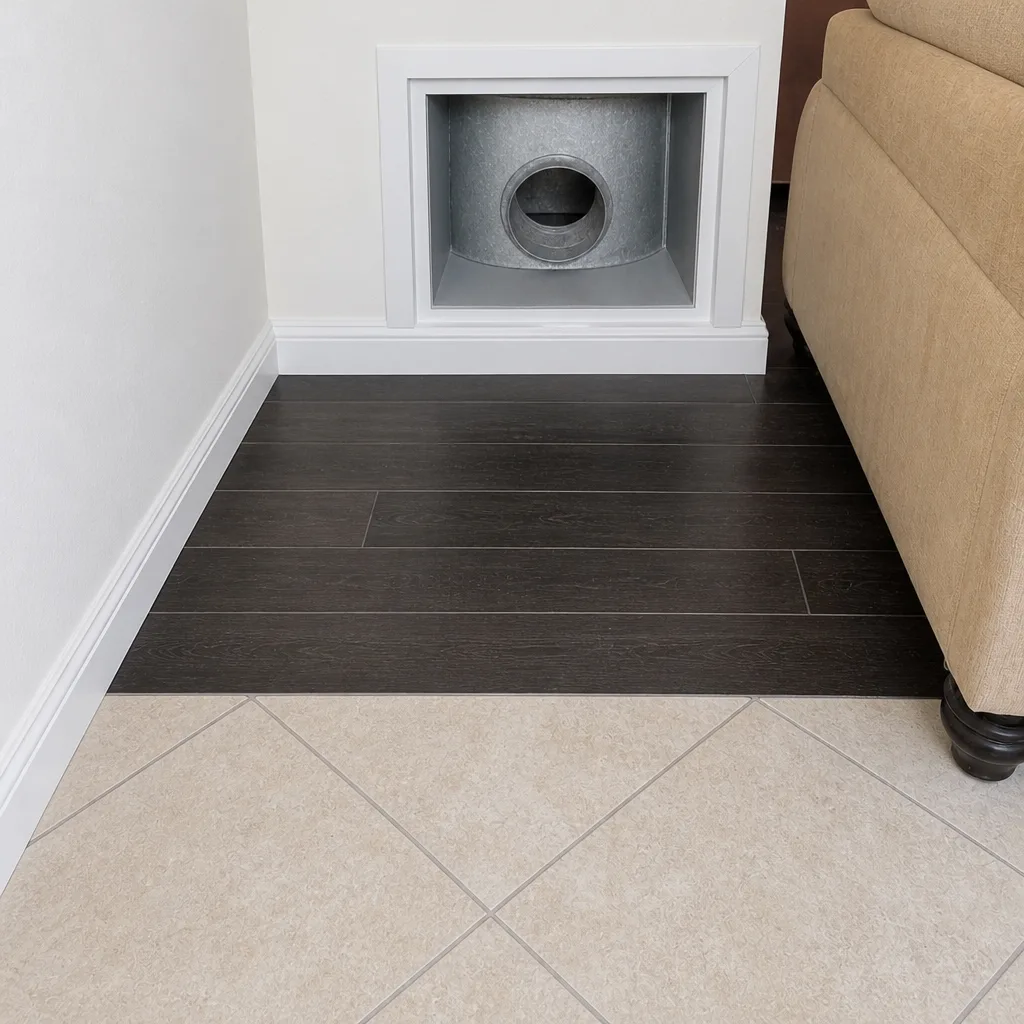 After
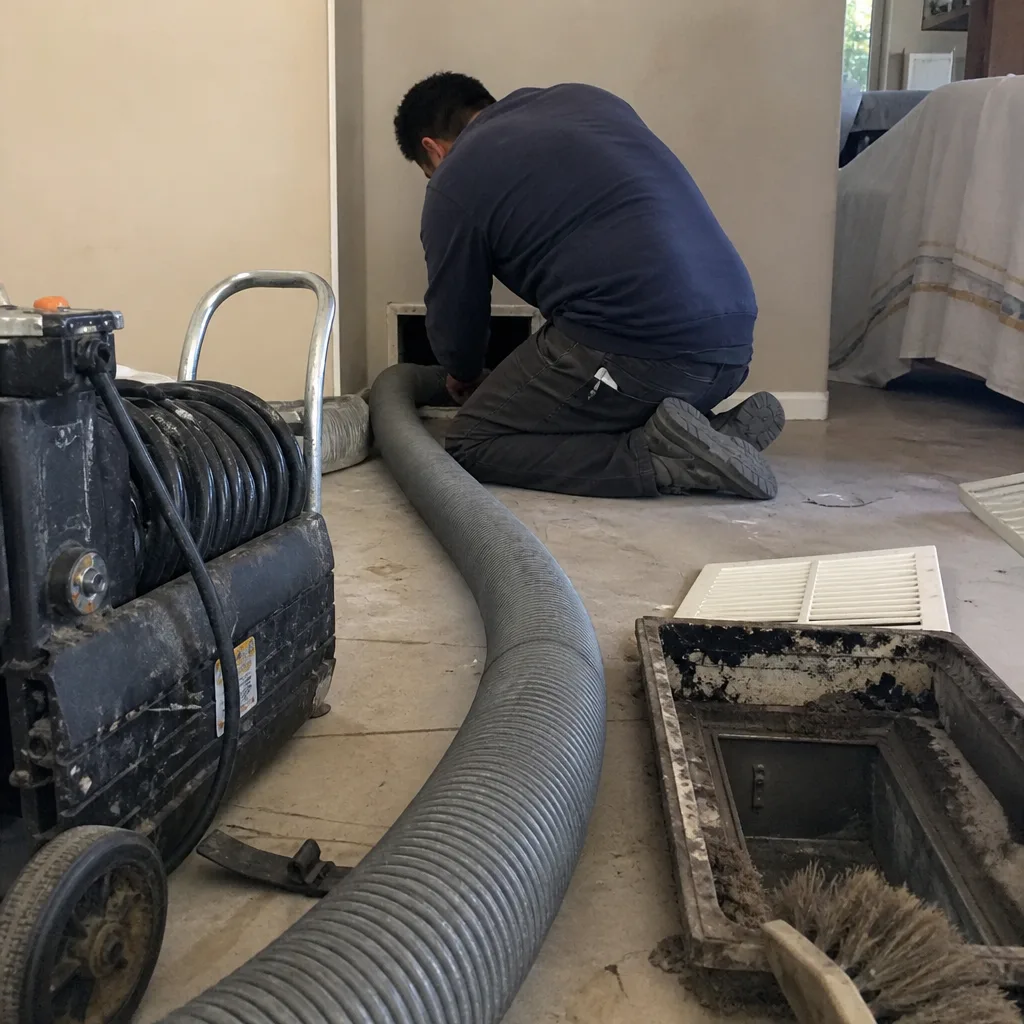 Before
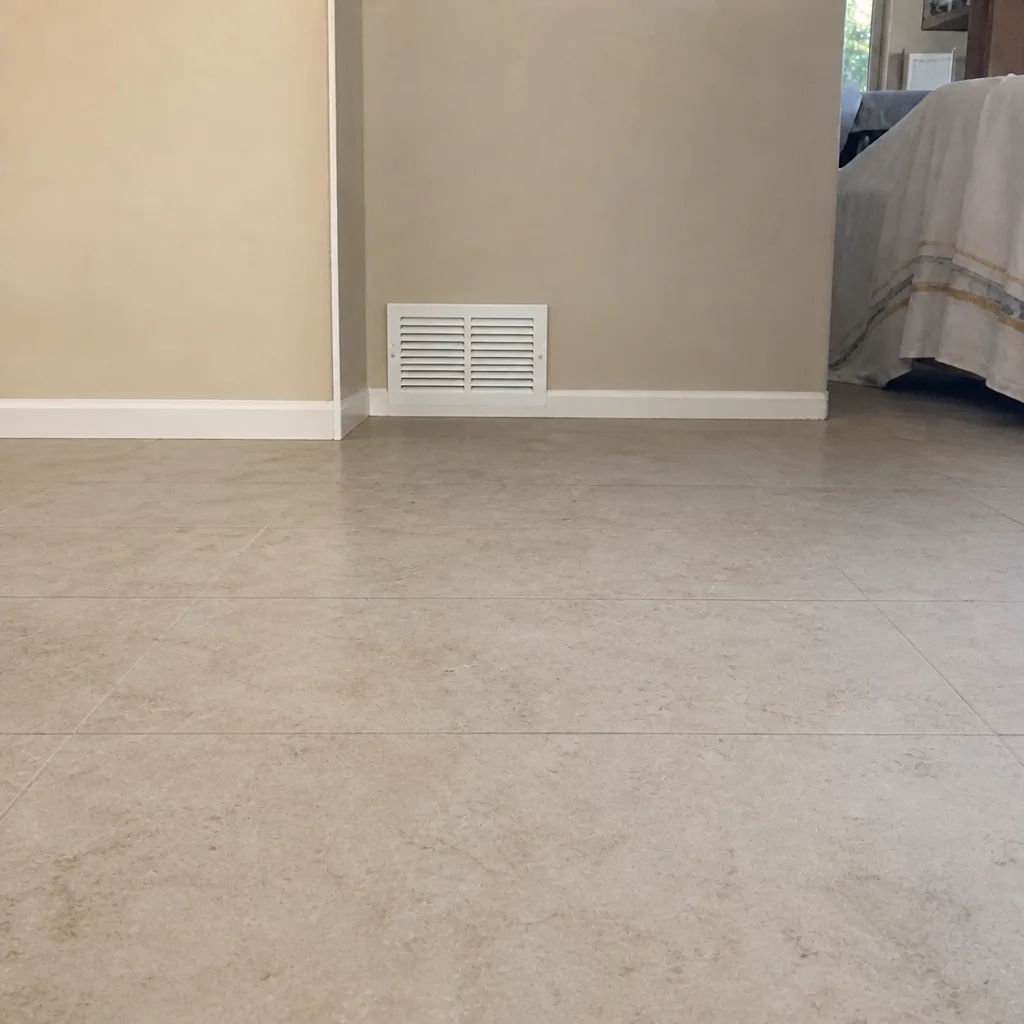 After
When to Call a Professional
Call when the pattern tells you to: fast filter loading, visible grit at registers after a wind event, a smoky smell that lingers after alerts clear, renovation debris, a water intrusion event, or a system that’s simply never been inspected. A professional inspection with a camera scope gives you a clear answer on the interior condition, and the cleaning and sealing work addresses root causes rather than symptoms. Air Duct Cleaning Downtown Anaheim offers free estimates in Downtown Anaheim – call (855) 337-1674. We answer 24/7. Fast dispatch from 7am to 7pm, Sunday through Friday. If your dryer vent is also overdue, dryer vent cleaning is worth adding to the same visit. The written estimate sets the final price, and one call covers the whole system.
Frequently Asked Questions
There is no single interval that fits every Downtown Anaheim home. The right answer is event-driven: schedule inspection when filters load markedly faster than usual, when registers show visible dust or grit after a wind event, after a hard wildfire smoke season, after a renovation, or after any water intrusion. A home that’s had a quiet year may go longer than one that’s been through three smoke events and a wind event.
Check three things in this order: the filter, the supply registers, and the return grilles. Pull the filter and hold it to a light. Look at register faces and the first couple of inches of duct behind the register boot with a flashlight. Inspect returns for visible accumulated dust. Log the date and what you saw, then decide whether the condition warrants a professional inspection.
Faster filter loading usually means the system is pulling more particulate in. That can come from gaps in the return duct or around boots, a lower-quality filter than the system needs, more runtime, or a duct interior that’s holding accumulated debris. A professional inspection confirms the cause, and a camera scope shows the interior condition across the whole system rather than just at the registers.
No. A shop vacuum can’t reach the trunk lines, can’t agitate the duct surfaces the way professional equipment does, and doesn’t provide the negative-pressure capture that keeps contamination contained. Rotobrush and Nikro systems use agitation tools and containment designed for this work. Register faces and filters are safe to handle yourself; interior duct work is not.
A low quote often reflects a shop vacuum and a hose rather than a purpose-built cleaning system with agitation and negative-pressure containment. The scope matters too: cleaning just the visible runs vs. the whole system, with no sealing or filtration work. Ask what equipment will be used and what’s included in the scope before comparing prices. Air Duct Cleaning Downtown Anaheim quotes a flat price per system by written estimate before work begins, and we can show before-and-after photos of your own ducts afterward.
Yes, if the evidence says so. Newer homes aren’t exempt from wind-event loading, smoke-season accumulation, or renovation debris from landscaping, additions, or nearby construction. The age of the home isn’t the deciding factor. The filter loading pattern, register observations, and any event history are.
The Bottom Line
A duct maintenance checklist for Downtown Anaheim should be built around triggers, not a date on the calendar. Check filters, registers, and returns within 72 hours of a Santa Ana wind event and during Orange County air quality alerts. Track filter loading rate as your free early warning signal for duct contamination. Log everything consistently so every future inspection is faster and more accurate. And when several triggers line up – fast loading, visible grit, lingering odor, renovation, or water intrusion – schedule a professional inspection rather than guessing. Our technicians have up to 13 years of experience, and we use Rotobrush, Nikro, and Abatement Technologies equipment so the assessment and the cleaning match the job.
Air Duct Cleaning Downtown Anaheim offers free estimates in Downtown Anaheim – call (855) 337-1674. We answer 24/7. Fast dispatch from 7am to 7pm, Sunday through Friday. We can work with your insurer if a contamination event warrants it. One call covers the whole system: cleaning, sealing, filtration upgrades, and dryer vent – all in-house.
Written by the team at Air Duct Cleaning Downtown Anaheim.